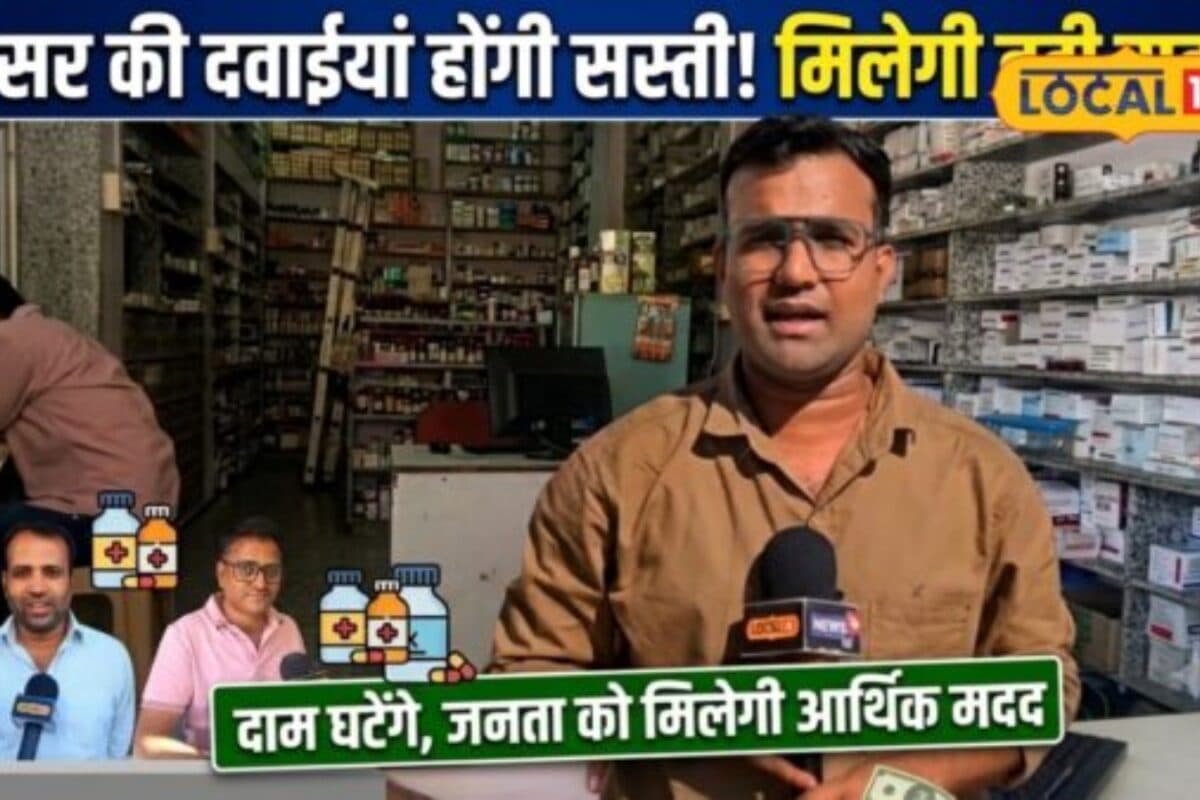
A momentous public policy discussion has emerged concerning the critical healthcare sector, focusing on a substantial proposal to reduce the prices of essential cancer medications by 20 to 70 percent. This prospective reduction aims to directly address the prohibitive costs of specialized drugs that form the backbone of oncology treatments nationwide. As healthcare expenditures continue to challenge household economies across the country, this development marks a potentially transformative shift in making life-saving pharmaceutical interventions more financially accessible to ordinary citizens.
The historical context of cancer care in India has long been characterized by staggering out-of-pocket expenditures for patients and their caregivers. Oncology treatments require prolonged administration of specialized chemotherapeutic agents, targeted therapies, and supportive medications, which collectively drain the financial reserves of families regardless of their socio-economic standing. For decades, policymakers, medical professionals, and patient advocacy groups have highlighted the urgent necessity of regulatory interventions to rationalize pharmaceutical pricing, ensuring that the cost of survival does not exceed a family's lifetime earnings.
At the heart of the current public debate are specific financial statistics that underline the gravity of the situation, notably the proposed relief margin ranging between 20 to 70 percent on critical cancer formulations. For a household spending tens of thousands of rupees monthly on imported or branded generic oncology drugs, a discount of this magnitude translates into annual savings running into lakhs of rupees. This tangible financial relief directly impacts the affordability of subsequent cycles of chemotherapy, diagnostic tests, and necessary hospitalization, transforming an otherwise insurmountable economic obstacle into a manageable expenditure.
Voices from the community have begun to articulate the profound personal and emotional resonance of this proposal. Among them, Himanshu Sharma, a resident of Azad Nagar in Bhilwara, shared critical insights reflecting the sentiment of numerous affected families. He articulated that cancer patients invariably endure severe physical trauma and psychological distress alongside the unrelenting strain of exorbitant medical expenditures. Sharma emphasized that making life-saving medications substantially cheaper will decisively alleviate the crushing economic burden shouldered by patients and their grieving or exhausted relatives.
The repercussions of such national healthcare pricing reforms extend deeply into regional territories, including semi-urban and rural districts where specialized medical infrastructure remains scarce. In areas surrounding Bhilwara and neighboring localities, families often have to travel significant distances for advanced oncology care, compounding their travel and lodging costs with high pharmaceutical bills. A standardized reduction in medicine prices provides localized relief, ensuring that patients receiving treatment at district-level facilities or regional cancer centers can procure necessary drugs without exhausting their meager savings or incurring generational debt.
Administrative oversight and regulatory scrutiny play an indispensable role in translating policy proposals into enforceable market realities. Public health advocates and local observers emphasize that regulatory bodies must establish stringent monitoring mechanisms to ensure that the proposed 20 to 70 percent price cuts are fully implemented across supply chains, from manufacturing units down to retail chemist shops. Effective enforcement prevents intermediaries or opportunistic entities from absorbing the mandated margins, thereby guaranteeing that the intended financial succour reaches the ultimate consumer—the cancer patient.
Looking forward, the anticipation surrounding the formal implementation of these pricing measures remains high among citizens and medical practitioners alike. As stakeholders await definitive administrative notifications and procedural rollouts, the collective discourse emphasizes the necessity of sustained reforms in pharmaceutical pricing and healthcare accessibility. If successfully executed, this policy initiative will not only redefine the economics of cancer care in regions like Bhilwara and beyond but also establish a compassionate precedent for mitigating the financial toxicity associated with catastrophic illnesses in India.