A major health scare unfolded at the Ganipur Government Higher Secondary School, located in the Sikrai subdivision of Dausa district, when fourteen school children fell severely ill after consuming toxic Ratanjot (Jatropha) seeds. The incident, which triggered immediate panic among school authorities and parents, occurred during school hours when the children mistakenly consumed the wild seeds, believing them to be edible peanuts. The affected students were quickly evacuated from the school premises and rushed to the nearby Sikrai Hospital for urgent medical intervention.
The crisis originated when a female student, identified as Pooja, brought the toxic Ratanjot seeds to the school from her home. Unaware of the lethal nature of these seeds, Pooja had collected them under the mistaken impression that they were regular peanuts. Upon arriving at the Ganipur Government Higher Secondary School, she shared the seeds with her classmates and friends during a break, leading to a chain of consumption that quickly turned hazardous as the toxic properties of the seeds began to affect the children's digestive systems.
Within a short period after ingestion, several children began exhibiting symptoms of poisoning, including severe abdominal pain, vomiting, and nausea. In total, 14 children experienced acute discomfort, causing immediate alarm across the entire school campus. Recognizing the gravity of the situation, the school staff acted swiftly to coordinate emergency transport, ensuring that all fourteen affected students were safely transferred to the Sikrai Hospital, where medical teams were put on high alert to administer immediate treatment.
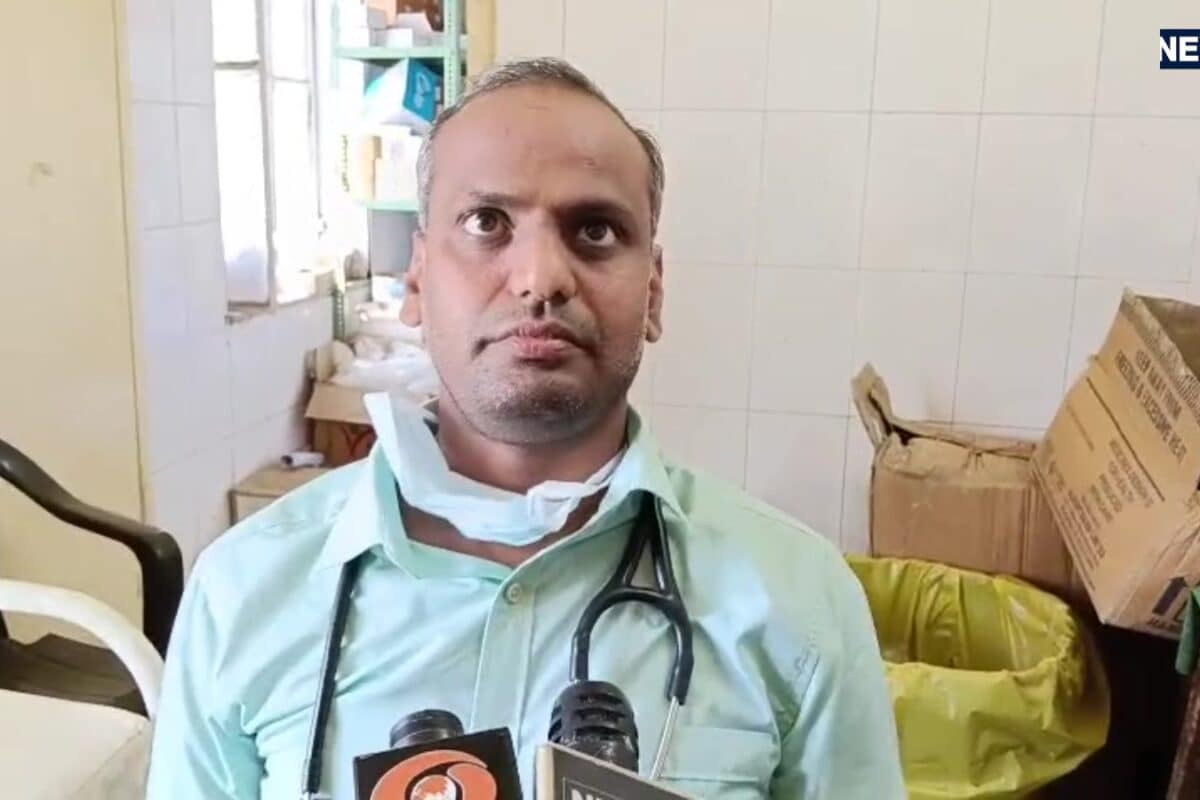
Local community members and parents of the affected children expressed deep concern over the accidental poisoning, highlighting the need for greater awareness regarding toxic flora in rural areas. Medical professionals at the Sikrai Hospital confirmed that the children are receiving targeted treatment to counteract the toxins present in the Ratanjot seeds. The school administration expressed relief at the rapid response of the teachers, who managed to prevent further consumption and ensured timely medical care for every affected child.
This incident has reverberated across the educational institutions of the Dausa and Sikrai regions, drawing attention to the safety of students both inside and outside school premises. Local authorities and community leaders have emphasized the importance of educating children about the dangers of consuming unidentified wild seeds and plants. The scare has prompted discussions among local families regarding the storage of agricultural seeds and the necessity of keeping toxic plants out of the reach of young children.
In response to the emergency, the administration of the Ganipur Government Higher Secondary School and local health officials have initiated a review of the incident. The school staff's prompt action in transporting the students to Sikrai Hospital has been widely acknowledged as a crucial factor in preventing a more severe tragedy. Health authorities at the hospital are continuously monitoring the vital signs of the 14 children, ensuring that comprehensive medical care is provided until they are fully recovered and fit for discharge.
Moving forward, local educational and health departments are expected to organize awareness campaigns across schools in the Sikrai subdivision to prevent the recurrence of such accidental poisonings. The condition of the fourteen hospitalized children remains the primary focus, with medical staff at Sikrai Hospital expressing confidence in their recovery. This incident serves as a stark reminder of the critical need for community vigilance and proactive education regarding natural hazards in rural environments.