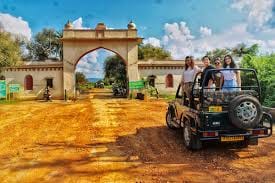
Alwar district is witnessing a surge of anticipation among wildlife enthusiasts and nature conservationists as the renowned Sariska Tiger Reserve prepares to reopen its gates for jungle safaris starting October first. This reopening comes after a mandatory three-month monsoon closure, a seasonal administrative practice designed to ensure the undisturbed breeding and natural movement of wild species during the peak rainy season. The resumption of tourism activities marks a significant milestone for the region, bringing back vitality to the local economy and offering visitors a chance to witness the rich biodiversity of the protected forest.
Historically, the monsoon interval serves as an essential ecological buffer period for the sanctuary, allowing the flora and fauna to rejuvenate away from human interference. During these three months, vehicular movement along designated forest tracks is strictly restricted, reducing stress on the resident wildlife population and safeguarding critical habitats. As the weather clears and forest trails dry out, the management undertakes necessary maintenance of tourist routes, watchtowers, and forest lodges to prepare for the upcoming tourism season.
According to the latest official figures and wildlife monitoring reports, the reserve currently boasts a thriving population of fifty-six tigers. A detailed demographic breakdown of this population reveals eleven adult males, eighteen adult females, and twenty-seven active cubs. This robust statistical presence underscores the remarkable success of conservation efforts, anti-poaching measures, and habitat management programs implemented within the Alwar sanctuary over recent years.
Local stakeholders, hospitality business owners, and regional guides have expressed immense relief and enthusiasm regarding the impending reopening. The three-month operational hiatus traditionally puts a financial strain on families whose livelihoods depend directly on tourism, including jeep operators, hotel staff, and local artisans. With the commencement of safaris on October first, economic activities are projected to bounce back swiftly, driving high visitor footfall into the surrounding regions.
The regional impact of the Sariska Tiger Reserve extends far beyond the immediate boundaries of Alwar, positively influencing neighboring administrative zones including the Kotputli-Behror district. Travelers visiting the sanctuary frequently explore nearby cultural and historical landmarks, boosting regional commerce, homestays, and transport networks. The interconnected economy relies heavily on a seamless tourism season, making the official reopening date a crucial calendar event for regional merchants and service providers.
Administrative authorities and forest department officials have instituted comprehensive protocols to regulate visitor movement and ensure strict adherence to wildlife protection guidelines. Both morning and evening safari shifts will operate under strict surveillance, limiting the number of vehicles entering designated zones to prevent ecological disturbance. Park rangers and forest guards have undergone refresher training sessions to manage tourist flows efficiently while prioritizing the safety of both visitors and animals.
Looking ahead, the forest department remains optimistic about the upcoming tourist season, expecting record-breaking numbers of domestic and international visitors. Public expectations are high, driven by the strong possibility of sighting tigers and their cubs in their natural habitat. As the countdown to October first continues, final preparations are being completed across all entry gates to welcome wildlife lovers back into the heart of the Alwar wilderness.