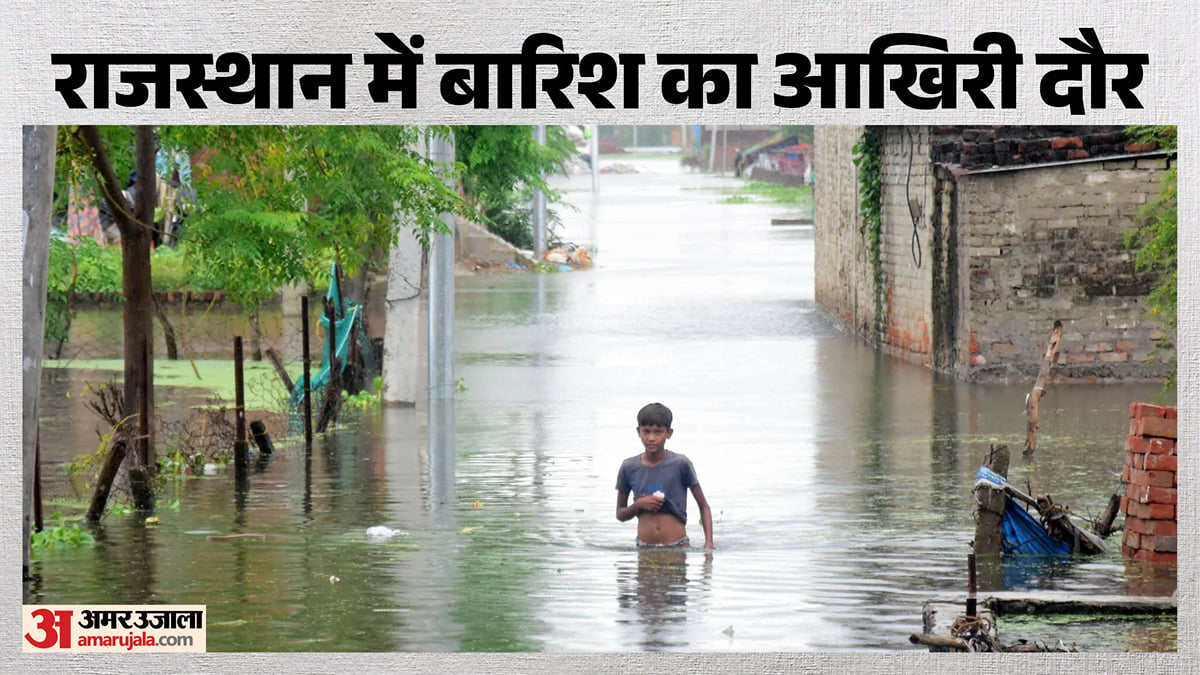
The state of Rajasthan is currently bracing for the concluding phase of the monsoon season, bringing a temporary shift in regional meteorological conditions. According to weather forecasting agencies and reports, September 29 is slated to witness scattered rainfall activity accompanied by gusty winds in specific pockets of the region. This atmospheric disturbance marks the final stretch of active precipitation before broader weather patterns transition toward drier conditions.
Analyzing the broader climatic context, the withdrawal phase of the monsoon historically brings erratic spells of localized downpours followed by rapid atmospheric stabilization. Meteorological analysts monitoring the regional synoptic charts note that the interplay of moisture-bearing winds and rising barometric pressure is creating conditions favorable for isolated thunderous showers. This seasonal transition is a routine occurrence during late September as the monsoon retreat gathers momentum across northwestern India.
While specific quantitative statistical breakdowns regarding heavy downpours remain unassigned for this final spell, the geographical expanse of Rajasthan is expected to experience localized winds of varying velocities. The immediate ground reality involves brief convective cloud formations leading to sudden spells of precipitation in targeted pockets, impacting daily commuting, localized commerce, and agrarian routines within the affected administrative zones.
Local communities, farming collectives, and regional traders are closely observing these late-season weather fluctuations. Agricultural stakeholders note that while late showers can sometimes benefit standing late-sown crops, the subsequent rise in temperatures predicted in the aftermath of September 29 will require careful management of soil moisture levels and irrigation schedules across agricultural belts.
The regional impact of this weather shift is particularly significant for areas like Kotputli-Behror and surrounding districts, where micro-climatic variations dictate local market dynamics and daily community engagements. The impending gusty winds followed by clearer, warmer skies necessitate adjustments in both urban logistics and rural agrarian practices to cope with the sudden transition from wet spells to dry heat.
District administrative bodies and disaster management cells maintain standard vigilance during such seasonal transitions to address any exigencies arising from sudden squalls or localized waterlogging. While no severe weather warnings have necessitated emergency evacuations, local authorities continue to monitor meteorological advisories to ensure public safety and infrastructural resilience.
Looking ahead, the timeline following September 29 indicates a definitive decline in rainfall frequency across Rajasthan. Meteorological outlooks project that as moisture levels recede, clear skies will dominate, leading to a noticeable upward tick in maximum and minimum temperatures across the state. Residents and authorities are consequently preparing for a warmer early-autumn phase as the monsoon officially bids farewell.