
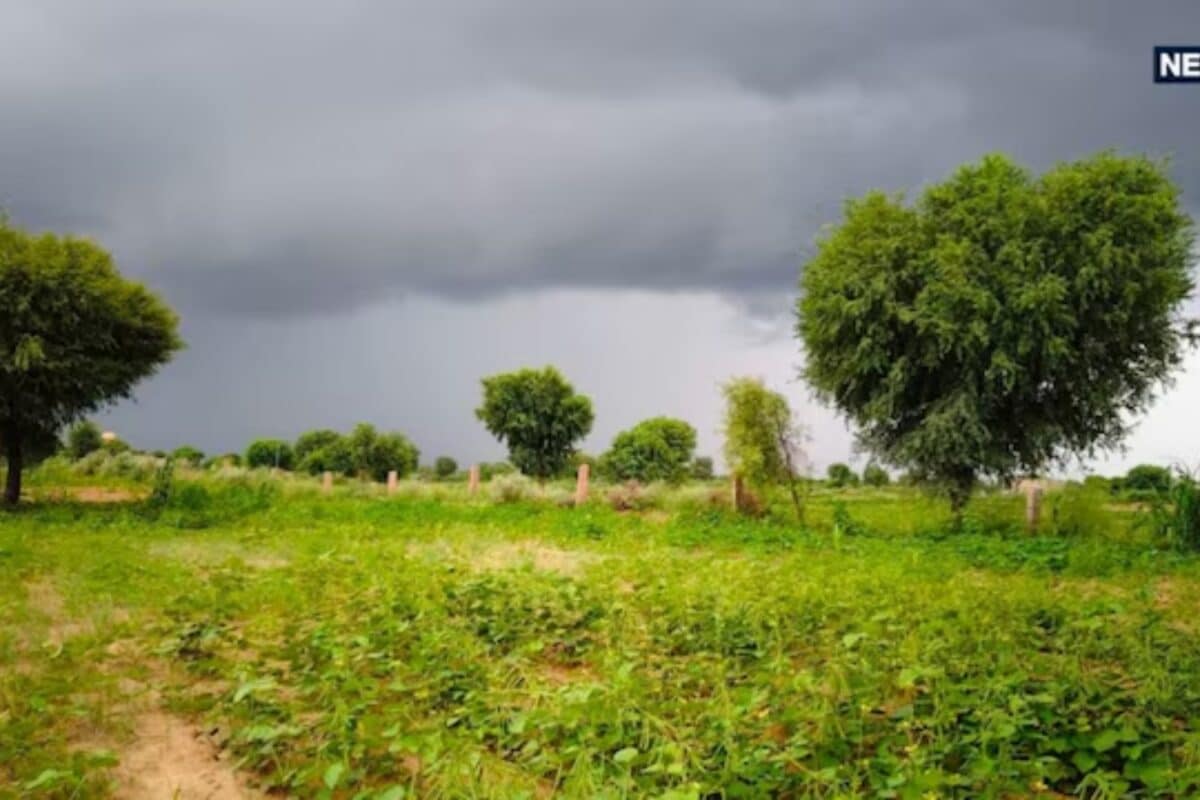
The Meteorological Center in Jaipur has released a detailed weather evaluation for Rajasthan, highlighting a distinct bifurcation in climatic conditions across the eastern and western territories of the state. According to the official bulletin, the weather pattern on 25 September is set to exhibit contrasting features, directly influencing daily routines, agricultural planning, and public life across various districts. Residents and local authorities are advised to stay informed as meteorological shifts begin to manifest across the region.
Analyzing the historical seasonal trends of late September in Rajasthan, transitional weather phases are frequently characterized by shifting wind directions and localized moisture influx from surrounding atmospheric systems. The current climatic behavior is an extension of this seasonal transition, where retreating monsoon currents interact with localized thermal patterns. This scientific phenomenon traditionally creates sporadic atmospheric instability, leading to isolated weather anomalies in specific geographical divisions of the state.
Ground reports and official meteorological data indicate that specific pockets within the Kota and Bharatpur divisions are expected to witness light rainfall activity. Furthermore, Eastern Rajasthan is projected to experience cloud-to-ground lightning, thunderstorms, and gusty winds operating at speeds ranging from 30 to 40 kilometers per hour over the next two to three days. Although no specific weather warning has been officially issued for any individual district for 25 September, local populations must remain vigilant regarding sudden atmospheric deterioration.
Agricultural experts, local traders, and rural communities are actively assessing the operational stakes tied to these anticipated meteorological changes. Farming syndicates in the eastern districts note that while light precipitation can provide temporary relief to standing crops, sudden thunderstorms accompanied by winds of 30 to 40 kilometers per hour pose potential risks to vulnerable harvests. Conversely, commercial and daily wage activities in the urban centers of Kota and Bharatpur are bracing for minor logistical disruptions during localized downpours.
Examining the micro-economic and regional impact on communities, including areas historically aligned with the Kotputli-Behror district zone, climatic variations dictate local commercial momentum and water resource management. The dichotomy between the wet spells in the east and the prolonged dry phase in the west underscores the diverse geographical challenges faced by the state. Local administration and municipal bodies are coordinating to ensure public safety and minimize infrastructural vulnerabilities during periods of high wind activity.
In response to the evolving weather conditions, administrative authorities and disaster management cells across Rajasthan maintain a state of readiness. While formal emergency advisories remain minimal due to the localized nature of the anticipated rainfall, monitoring stations under the aegis of the Meteorological Center in Jaipur are providing continuous updates. District administrations are maintaining standard operational protocols to address any sudden exigencies arising from lightning or gusty winds.
Looking toward the forward outlook and upcoming meteorological trajectory, the atmospheric models project a gradual shift in thermal parameters over the next 48 hours. Western Rajasthan, which currently maintains a high maximum temperature exceeding 40 degrees Celsius, is anticipated to experience a noticeable decline of 2 to 3 degrees Celsius in maximum temperatures following this 48-hour window. Citizens and stakeholders are encouraged to heed official bulletins issued by the Meteorological Center in Jaipur to navigate the impending weather fluctuations safely.