
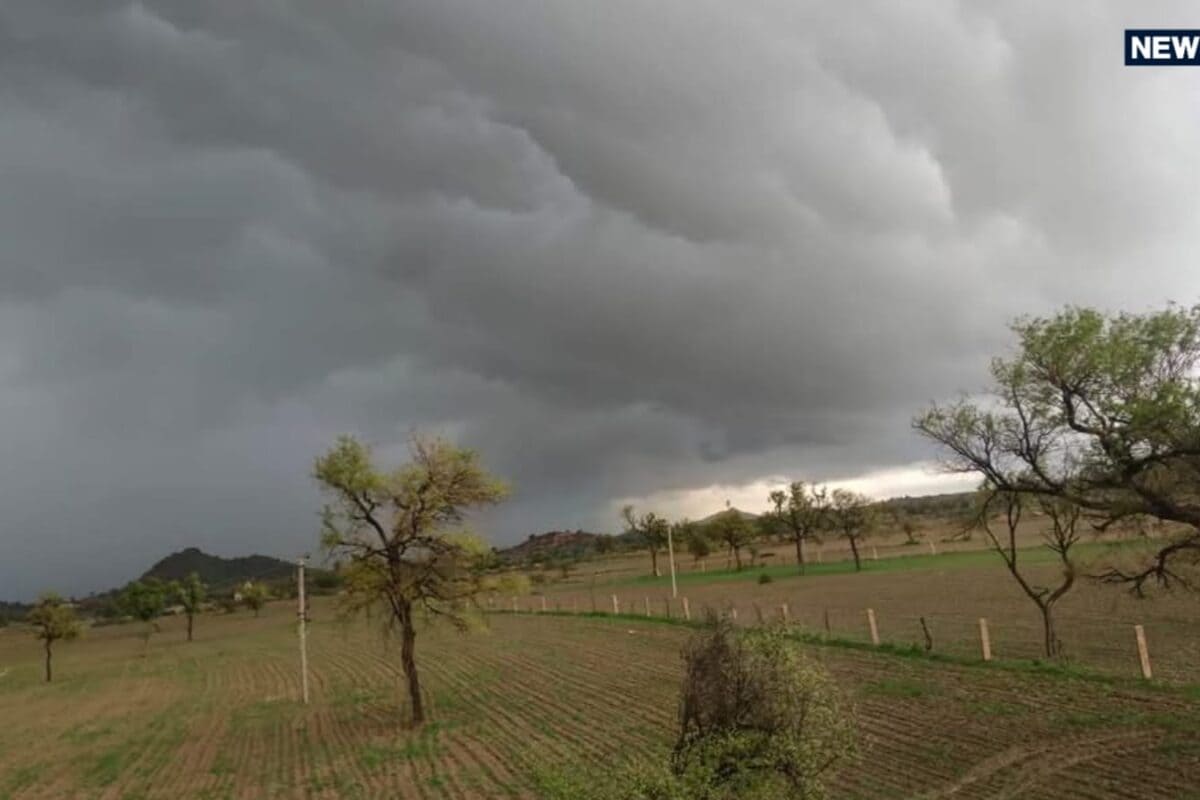
The meteorological landscape of Rajasthan is undergoing a significant transition as the withdrawal of the southwest monsoon gathers strong momentum across the state. Meteorological officials report that the monsoon withdrawal line has now successfully advanced through important administrative regions, currently resting across Dholpur and Udaipur. This swift retreat signals the imminent conclusion of the rainy season for a vast majority of the territorial expanse, bringing a definitive seasonal shift that is characteristic of late September.
Historically, the transition from the monsoon season to the post-monsoon period in Rajasthan involves a marked decrease in relative humidity and an increase in daytime temperatures, particularly in the western desert sectors. The geographical expanse of the Thar Desert, encompassing districts like Jaisalmer, typically absorbs maximum solar radiation during this phase when cloud cover diminishes significantly. This historical climate pattern explains the sudden surge in thermal intensity observed across the western frontier as the atmospheric pressure gradients adjust to incoming dry northerly winds.
Ground realities across the state reflect this stark meteorological divide, with specific recording stations documenting extreme heat alongside impending atmospheric changes. During the latest observation window, Jaisalmer recorded a blistering maximum temperature of 42.9 degrees Celsius, underscoring the fierce residual heat of the desert terrain. Meanwhile, agricultural belts and urban centers are bracing for a temporary lull in heavy precipitation, as general weather conditions across most parts of Rajasthan remained strictly dry on 24 September without any active severe weather warnings.
Agricultural stakeholders, local traders, and rural communities are closely monitoring these evolving weather parameters to manage their sowing and harvesting schedules effectively. Farming communities in the northern and western sectors have expressed concern over the rising temperatures affecting soil moisture levels, even as they anticipate localized relief. Local market merchants note that fluctuating weather phases during monsoon withdrawal directly impact the trade of Kharif crops, necessitating vigilant observation of advisories issued by agricultural meteorological departments.
In the Kotputli-Behror district and neighboring semi-arid zones, the regional economy and local communities are experiencing the direct ramifications of this weather turnaround. The transition period influences local water management strategies and power consumption patterns as residents adapt to the shifting thermal conditions. Local businesses and daily commuters navigate the dry spells while remaining alert to localized weather fluctuations that frequently characterize the border zones between eastern and northern Rajasthan.
Administrative bodies and disaster management authorities maintain continuous oversight of the weather evolution to ensure preparedness across all districts. Although no emergency alerts have been issued for the immediate dry spell, district administrations remain coordinated with state meteorological headquarters to disseminate timely advisories. Officials emphasize that local agricultural extension offices are actively guiding farmers on moisture conservation techniques to mitigate the adverse effects of high temperatures like the 42.9 degrees Celsius recorded in western districts.
Looking ahead, the meteorological department outlines a structured timeline for subsequent weather developments across the state. On 25 September, a weak western disturbance is expected to influence northern districts, bringing light rainfall and gusty winds specifically to Sriganganagar and Hanumangarh. Following a brief period of subdued activity, scattered rainfall is projected to commence from 27 September across the Jaipur, Ajmer, Kota, Bharatpur, and Bikaner divisions, culminating in localized showers across northern and north-eastern Rajasthan between 28 and 30 September.