
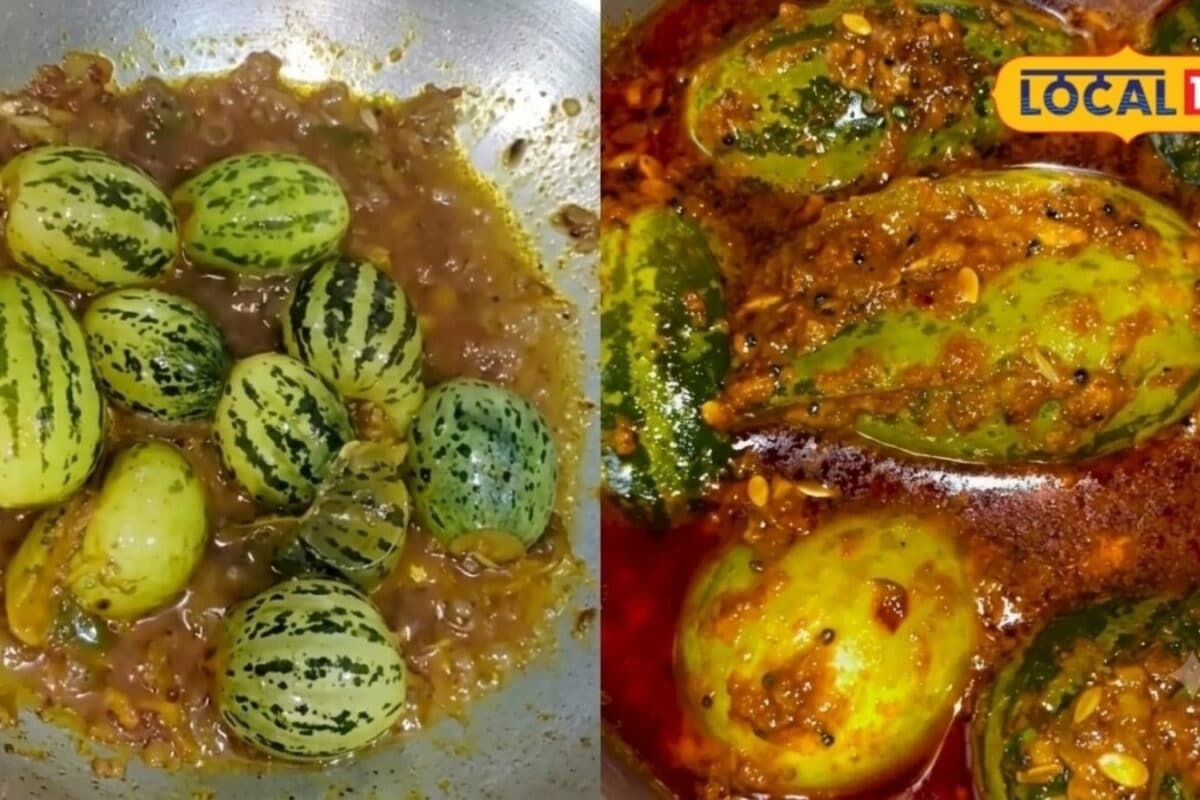
In the vast culinary landscape of Rajasthan, traditional recipes passed down through generations continue to hold a prominent place in rural households, maintaining their authentic appeal against modern culinary transformations. A primary example of this enduring heritage is the classic dry kachri sabzi, a preparation deeply cherished across the villages of Rajasthan. This regional delicacy stands out distinctly because it completely avoids the use of conventional bulb vegetables like onion and garlic, relying entirely on indigenous ingredients to deliver a robust flavor profile.
The historical and cultural roots of kachri sabzi trace back to the arid topography of Rajasthan, where seasonal availability dictated dietary habits. Indigenous foraging and preservation techniques allowed rural communities to harvest wild gourds like kachri during favorable periods and dry them for long-term storage. This historical ingenuity ensured that nutritious and flavorful vegetables remained accessible throughout harsh climatic cycles, embedding this preparation firmly into the daily subsistence economy of rural families.
Examining the ground realities of preparing this authentic dish reveals meticulous logistical steps that preserve its distinct sour and savory characteristics. According to detailed culinary insights shared by housewife Nirma Devi, the preparation commences by soaking dried kachri in water to thoroughly soften its texture. Once reconstituted, the vegetable is cooked using traditional cooking mediums and spices that reflect the region's agricultural abundance and culinary preferences.
Engaging with local culinary practitioners and homemakers highlights the profound cultural appreciation for such native recipes within the community. Voices from across Rajasthan emphasize that preserving these cooking methods safeguards regional identity and nutritional wisdom. Homemaker Nirma Devi underscores that the meticulous balance of soaking, tempering, and slow-cooking ensures the retention of natural flavors without requiring complex or expensive grocery additions.
Within the Kotputli-Behror district and neighboring administrative zones, the resurgence and active documentation of such traditional recipes significantly impact the local cultural economy. Culinary traditions like kachri preparation foster community bonding and encourage younger generations to appreciate indigenous agricultural produce. Local markets and regional food forums frequently highlight these heritage dishes, boosting local trade in indigenous spices and mustard oil.
While traditional recipes are primarily preserved through familial knowledge transfer rather than formal administrative oversight, public health and cultural preservation departments occasionally promote indigenous diets for their nutritional value. Local authorities recognize that maintaining traditional food practices contributes to sustainable dietary habits and supports regional agricultural biodiversity across Rajasthan.
Looking ahead, culinary experts and cultural historians anticipate a growing demand for authentic regional recipes as consumers increasingly seek out organic, plant-based, and heritage foods. The continuation of traditional practices, as demonstrated by the kachri sabzi method, ensures that Rajasthan's rich gastronomic legacy will endure through upcoming generations, maintaining its rightful place on contemporary dining tables.