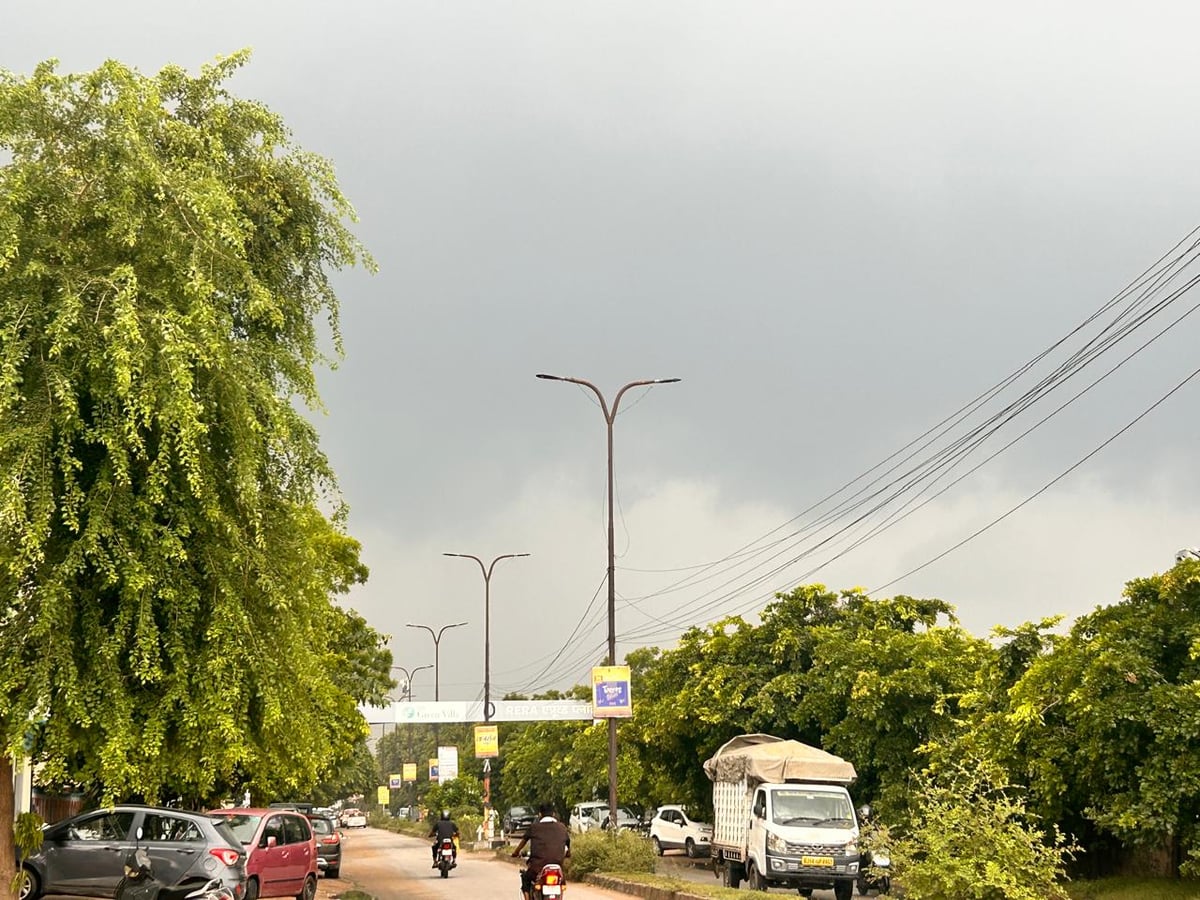
Residents across Rajasthan are currently experiencing a pronounced spell of October heat, which has raised concerns regarding agricultural health, daily commuting, and overall public well-being. However, meteorological department indicators suggest that an atmospheric transformation is imminent across several parts of the state.
The current meteorological scenario is primarily governed by the formation and progression of a new western disturbance. Historically, western disturbances play a critical role in altering winter and transitional weather patterns across the northwestern plains of India, bringing moisture-laden winds from the Mediterranean region.
According to preliminary weather data and localized forecasts, the impending atmospheric disturbance will directly influence regional weather parameters. Most notably, localized showers are projected to occur specifically within the Bikaner and Shekhawati regions during the designated monitoring window.
Local community members, agricultural stakeholders, and regional traders have been closely monitoring weather developments as October transitions toward late-autumn patterns. Agricultural experts note that any unseasonal precipitation during this phase requires careful management of standing crops, particularly in the arid and semi-arid tracts of western Rajasthan.
While the immediate focus remains on Bikaner and Shekhawati, adjacent administrative zones including Kotputli-Behror are also experiencing the broader climatic ripple effects of shifting pressure gradients. Local residents and municipal authorities remain vigilant regarding potential fluctuations in daily ambient temperatures.
Administrative departments and disaster management cells at the regional level maintain continuous surveillance over meteorological updates to ensure preparedness against any sudden weather anomalies. Public advisories are typically issued to apprise citizens of changing atmospheric conditions and associated safety precautions.
Looking ahead, the forecasted rainfall between October 10 and 12 is expected to induce a noticeable downward trend in mercury levels, with thermometers anticipated to register a 2 to 3 degree Celsius reduction. This anticipated meteorological relief is expected to conclude the prevailing hot spell and set a cooler tone for the remainder of October.