
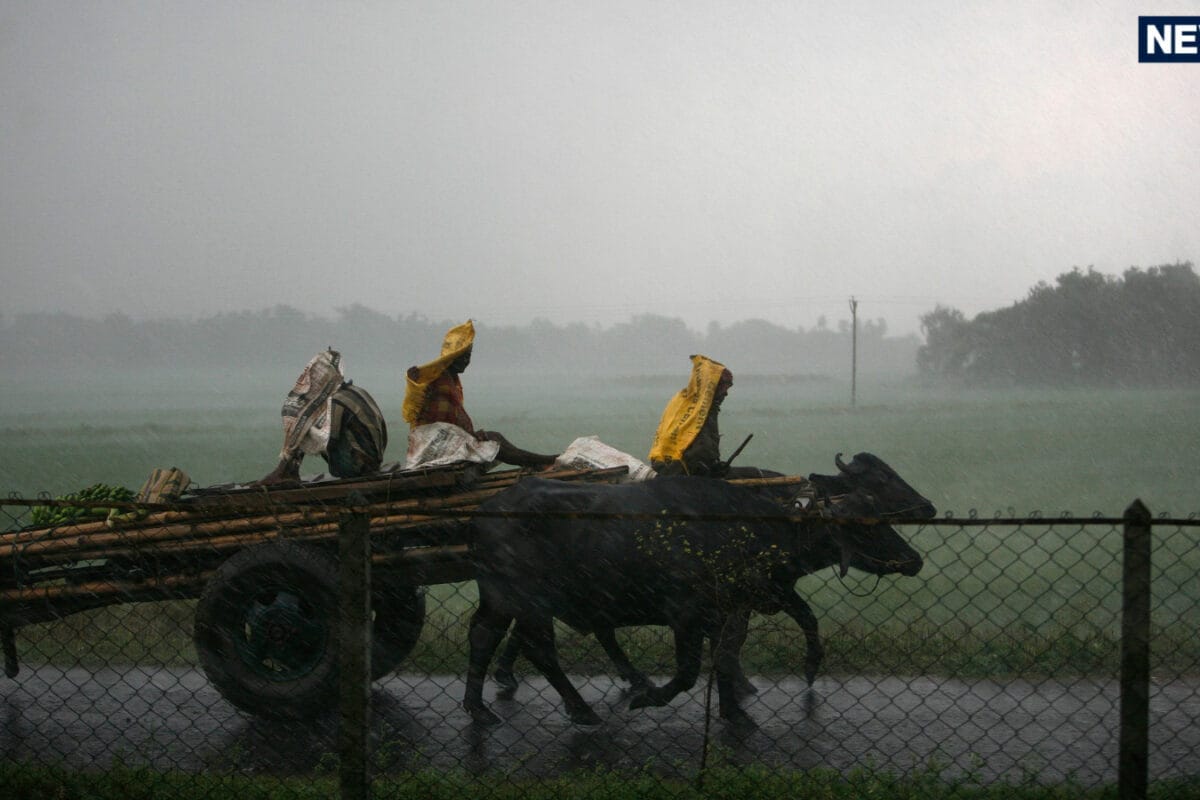
In a dramatic meteorological turn of events during the final week of October, the weather across Rajasthan has experienced a sudden and significant shift. The India Meteorological Department (IMD) has officially reported that the convergence of moisture currents originating from both the Arabian Sea and the Bay of Bengal, coupled with an active upper-air weather system, is actively altering atmospheric conditions throughout the state. This evolving climatic disturbance is expected to impact several regions profoundly, setting the stage for unseasonal precipitation and a noticeable transformation in local temperature profiles.
Historically, the transition from October to November in Rajasthan marks a gradual cooling period, but the sudden development of this upper-level weather system has accelerated the seasonal shift. Meteorological experts monitoring the region note that multi-directional moisture influxes are relatively uncommon in such intense concentrations during this specific window, creating favorable conditions for cloud formation and atmospheric instability. The convergence of these maritime air masses directly interacts with the regional topography, producing localized pressure gradients that facilitate cloud cover and subsequent precipitation events across targeted administrative divisions.
As per the detailed projections released by the IMD, the geographical footprint of this weather system encompasses several key zones, notably the Kota and Udaipur divisions, alongside northern and western sectors including Sri Ganganagar, Hanumangarh, Churu, Bikaner, Sikar, and Jhunjhunun. Residents in these locations are slated to experience intermittent cloudiness accompanied by light rainfall. Furthermore, meteorological models indicate that surface winds will attain sustained speeds ranging between 30 to 40 kilometers per hour, potentially affecting outdoor daily routines, agricultural logistics, and local transportation networks during peak wind intervals.
Local stakeholders, agricultural communities, and regional market traders are closely monitoring these developments as the impending weather shift carries operational implications. Farmers across the affected districts are evaluating the potential impact of light unseasonal showers on harvested crops left in open yards, while local commercial establishments anticipate adjustments in consumer footfall due to the abrupt atmospheric cooling. Community representatives have noted that while the rainfall may provide temporary relief from lingering post-monsoon humidity, the accompanying brisk winds necessitate precautionary measures to secure temporary structures and agricultural produce.
Within the Kotputli-Behror district and surrounding communities, the broader regional atmospheric transformation is acutely felt as dropping temperatures begin to redefine daily community life. Local residents are already experiencing the early signs of a chill in the morning and evening hours, signaling a departure from the persistent warmth of the early autumn season. Small businesses dealing in seasonal garments and warm apparel report a sudden surge in consumer inquiries, reflecting the immediate public anticipation of cooler weather conditions settling into the local economy.
Administrative authorities and regional disaster management cells have maintained standard vigilance in response to the IMD advisories, ensuring that local municipal bodies remain prepared for any localized waterlogging or wind-related disruptions. District officials are coordinating with meteorological monitoring units to provide timely updates to the public, emphasizing the importance of securing loose roofing materials and exercising caution while commuting through windy corridors. Advisories have also been disseminated to rural development offices to keep farming collectives informed regarding optimal post-rain crop management strategies.
Looking ahead, the forward outlook provided by meteorological experts indicates that this weather episode will trigger a steady and definitive descent in both maximum and minimum temperatures across Rajasthan. The progressive cooling trend is projected to intensify significantly in the aftermath of the upcoming Diwali festival, effectively ushering in the authentic winter season. Authorities and public health officials advise citizens to prepare for the sharp seasonal transition, ensuring that vulnerable populations take necessary precautions against the sudden drop in ambient temperatures in the coming weeks.
