
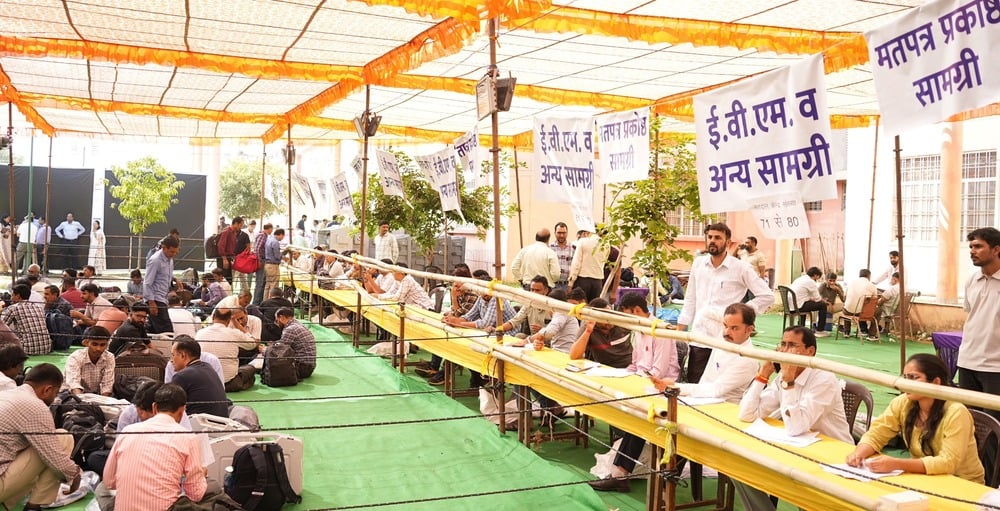
The political and administrative landscape of the region has witnessed a defining moment as the comprehensive election process for selecting grassroots leadership concluded successfully across the Jaipur district. The formal announcement of the electoral outcomes has brought clarity to rural political dynamics, establishing new village leadership structures. Citizens and political observers alike have closely monitored these developments, recognizing their foundational role in shaping local development and resource allocation.
Historically, the governance of rural constituencies within the Jaipur district has relied heavily on the active participation of village councils. These administrative bodies serve as the primary conduits for implementing central and state welfare programs, rural infrastructure projects, and community development initiatives. The conclusion of these elections reinstates structured democratic representation at the grass-roots level, ensuring that local populations retain direct agency in addressing their immediate civic needs and developmental priorities.
Specifically, the electoral mandate covered eight designated panchayat committees, encompassing a total of 212 village councils. The administrative machinery executed a meticulously planned logistical operation to ensure transparent, fair, and orderly polling across all participating rural sectors. Statistical evaluations confirm that the process successfully yielded verified electoral outcomes for all 212 administrative units, reflecting widespread voter turnout and robust civic engagement among rural inhabitants.
Local stakeholders, community elders, and aspiring political representatives have expressed diverse viewpoints regarding the newly established leadership panels. While community advocates emphasize the urgent need for accelerated infrastructure development, clean water supply, and improved sanitation, local traders and agricultural workers anticipate favorable economic policies that support rural commerce. The discourse underscores high community expectations from the newly declared sarpanches who now shoulder the responsibility of local administration.
The regional impact of these panchayat elections extends significantly across the broader territorial scope, influencing socioeconomic dynamics and community mobilization. As administrative units coordinate local resources, the newly elected officials will play a pivotal role in steering regional economic growth, agricultural support programs, and public welfare distribution. Strengthening these foundational administrative tiers directly enhances regional stability and fosters inclusive community development across the entire district.
District administrative authorities maintained strict regulatory oversight throughout the entire electoral cycle to guarantee adherence to statutory guidelines and electoral codes of conduct. Officials deployed adequate security personnel, observers, and polling staff to manage potential administrative challenges and maintain public order. The rigorous enforcement of electoral protocols ensured that the counting and declaration phases proceeded without systemic disruptions, underscoring administrative efficiency and institutional preparedness.
Looking forward, the newly constituted village councils are scheduled to assume office and convene their inaugural formal meetings to outline local developmental agendas. Administrative departments will facilitate orientation programs and administrative training for the newly elected sarpanches to ensure seamless integration into the governmental framework. Public expectations remain high as the region transitions from an intensely contested electoral period into a phase focused on tangible governance, civic progress, and sustainable rural development.
