
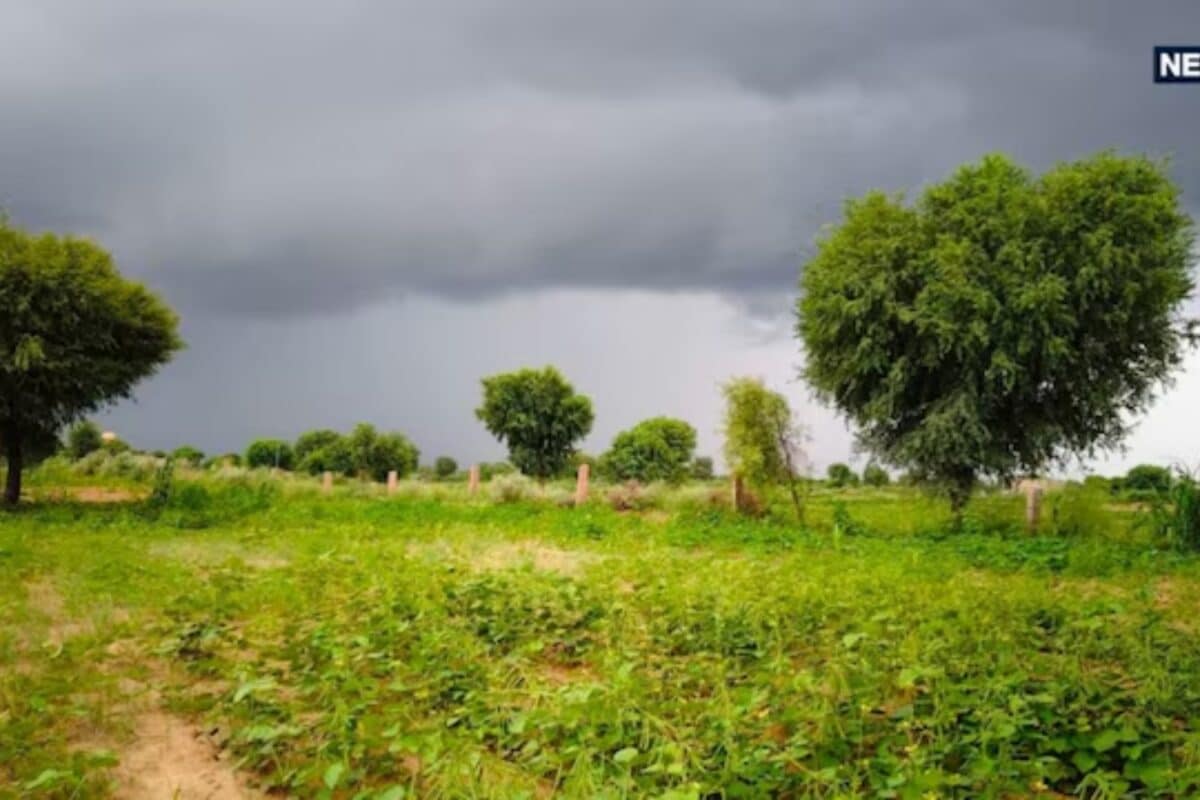
According to the latest meteorological updates from the Meteorological Department, Rajasthan is poised to witness a significant deceleration in precipitation activities, with rain limited to specific pockets on September 11. The regional atmospheric conditions indicate that while the monsoon current remains active in certain pockets, its overall spread across the state has contracted substantially, bringing a temporary halt to widespread rainfall.
Reviewing the historical context of the ongoing monsoon season, this phase of subdued rainfall follows a broader cyclical pattern observed by meteorological authorities since September 8. Departmental charts and long-range synoptic observations have consistently highlighted a weakening trend in moisture-laden winds originating from the surrounding regions, effectively reducing heavy precipitation episodes across the state's vast landscape.
Analyzing the ground reality and geographical distribution, the meteorological forecast specifies that only eastern Rajasthan will experience localized weather shifts, specifically within the Bharatpur, Jaipur, and Kota divisions. However, authorities emphasize that this does not constitute a widespread downpour; rather, scattered light to moderate showers are anticipated only at isolated locations within these specified areas, leaving large tracts completely untouched.
Examining the operational and socio-economic stakes, agricultural communities and regional stakeholders are closely monitoring these meteorological developments. Although no specific weather warnings or hazardous alerts have been issued for any district on September 11, the dry spell in several agricultural belts poses critical questions regarding soil moisture retention for standing crops during this crucial agricultural window.
Focusing on the regional impact across various districts, including the administrative jurisdiction of Kotputli-Behror, the local populace experiences a continuation of dry atmospheric conditions. The lack of continuous rainfall in western Rajasthan, which remains entirely dry, further contrasts with the sporadic nature of weather systems affecting the eastern divisions.
Addressing the administrative and statutory oversight, district disaster management authorities and meteorological units maintain continuous surveillance over shifting wind patterns and atmospheric pressure. Although no emergency protocols have been triggered due to the absence of severe weather alerts, monitoring stations continue to disseminate regular updates to keep local administrations fully informed.
Looking ahead toward the terminal timeline of this current weather phase, experts project that the weakened monsoon conditions will persist for approximately one week from the onset date of September 8. Public expectations and agricultural planning remain anchored on subsequent meteorological bulletins, which will outline any potential revival of monsoon activity in the latter half of the month.