
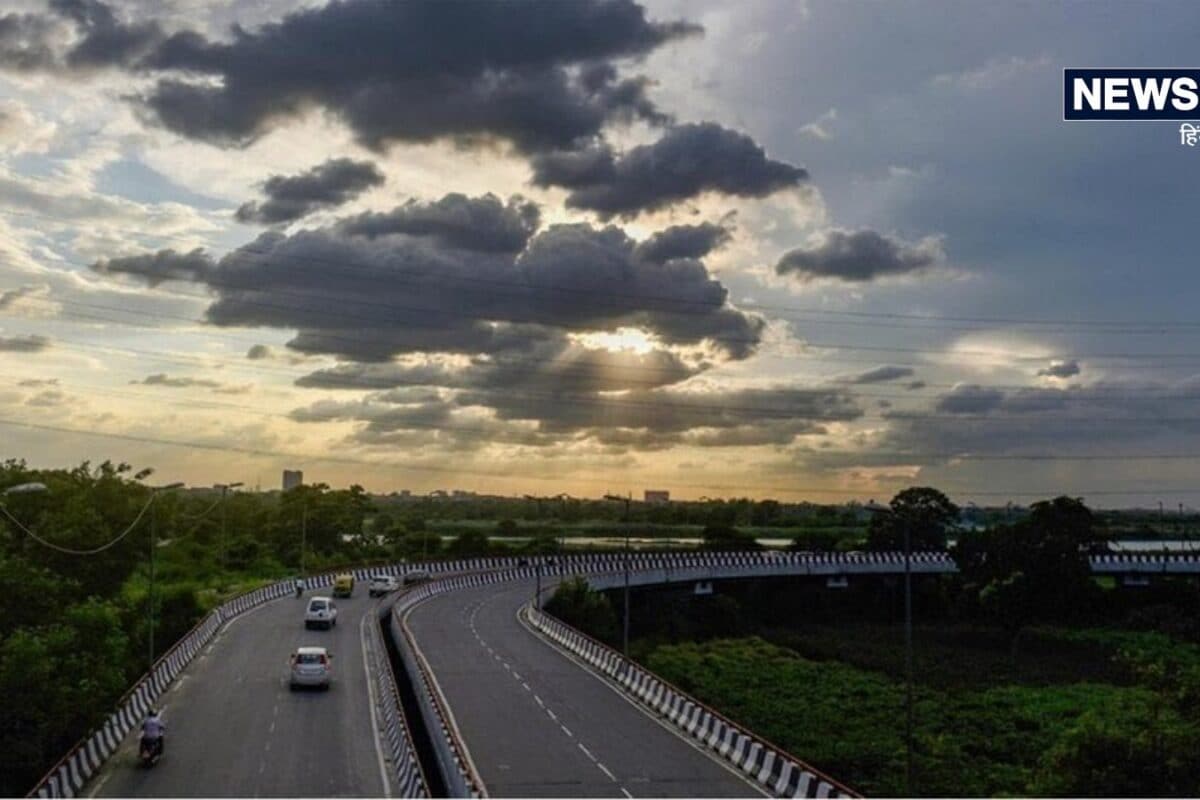
As the monsoon season officially withdraws from the territory of Rajasthan, an abrupt transition in climatic conditions has begun to manifest across the region. The departure of monsoon currents has triggered a noticeable resurgence of heat and dry atmospheric conditions, impacting daily routines and public life. Meteorological observations from across the state confirm that daytime temperatures are steadily climbing, signaling the end of the rainy spell and the onset of a transitional hot phase.
Historically, the withdrawal phase of the monsoon in Rajasthan is consistently marked by a temporary spike in temperatures before the gradual onset of the winter cooling cycle. This meteorological phenomenon occurs due to the clearing of cloud cover, which allows direct and unobstructed solar radiation to reach the earth's surface. Consequently, atmospheric humidity drops sharply while ambient temperatures rise, creating a warm and arid environment characteristic of the desert state during seasonal shifts.
Ground-level meteorological reports substantiate this seasonal transition, highlighting particularly extreme readings in the western frontier districts. Specifically, the district of Jaisalmer recorded a sweltering maximum temperature of 41.5 degrees Celsius, underscoring the intensity of the prevailing heatwave-like conditions. This high reading has drawn considerable attention from weather experts and local authorities, as such elevated temperatures pose physiological challenges for outdoor workers and residents alike.
Local inhabitants, traders, and agricultural communities have expressed concern over the sudden intensification of heat following the withdrawal of rains. Farmers engaged in post-monsoon agricultural management note that the soaring temperatures require careful monitoring of soil moisture levels to protect standing crops. Meanwhile, daily wage laborers and commuters navigating the intense afternoon sun in districts like Jaisalmer are compelled to adopt precautionary measures against heat-related dehydration and exhaustion.
The broader regional implications of this weather pattern extend across various districts of Rajasthan, influencing energy consumption and local commerce. Increased reliance on cooling appliances has led to a surge in power demand, prompting utility providers to ensure uninterrupted electricity supply. Communities throughout the state are closely monitoring meteorological updates as the dry spell tests public endurance during this transitional interlude between the monsoon and the upcoming cooler months.
Administrative authorities and local disaster management cells remain vigilant, keeping a close watch on weather bulletins issued by the India Meteorological Department. While immediate emergency interventions have not been mandated, district administrations advise citizens to stay hydrated and avoid prolonged direct exposure to the sun during peak afternoon hours, ensuring public safety amidst the sudden surge in temperatures.
Looking ahead, meteorological models project that the prevailing dry spell and elevated temperatures will persist across most parts of Rajasthan for the next 3 to 4 days. However, a hopeful shift is on the horizon, with forecasts indicating a potential change in weather patterns starting from September 27. This anticipated disturbance is expected to influence weather conditions in certain parts of the state, potentially moderating the high temperatures and offering much-needed atmospheric relief to the populace.