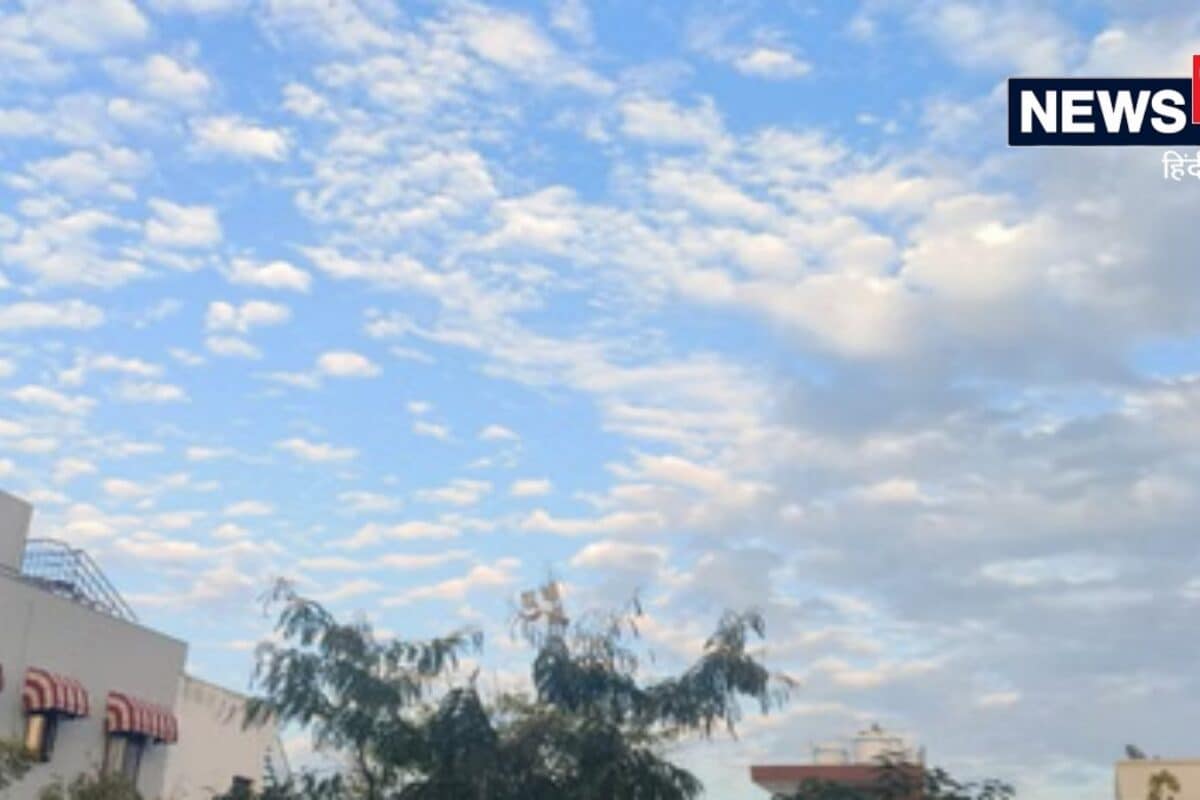
According to the latest meteorological bulletins issued by the Meteorological Center Jaipur (IMD Jaipur) on 11 November 2026, the state of Rajasthan is witnessing completely dry and clear weather conditions. Meteorological experts confirm that there is no active rainfall alert for any district across the state, indicating a prolonged dry spell that has significantly altered the typical late-autumn climatic expectations for this time of the year. Citizens and administrative bodies alike are closely monitoring the persistent heat patterns.
Reviewing the historical climate patterns for the month of November, a sharp transition toward cooler evening breezes and lowering daytime temperatures is usually expected by mid-autumn. However, the current atmospheric scenario deviates substantially from historical averages. The persistence of dry winds and clear skies has prevented the expected seasonal drop in daytime temperatures, creating a microclimate where summer-like conditions continue to dominate afternoon hours across multiple administrative divisions of the state.
Examining the ground reality and empirical data reported by weather stations on 11 November 2026, day temperatures across Rajasthan are currently hovering between one to four degrees above normal. The intensity of the sun has made daytime outdoor activities increasingly strenuous for the general public. Specifically, Barmer recorded an exceptionally high maximum temperature crossing 38.3 degrees Celsius, marking the upper limit of the state's current temperature chart. Meanwhile, the capital city of Jaipur registered a mercury level hovering around 33 degrees Celsius under bright sunshine.
In stark contrast to the afternoon heat, the early morning and late evening hours offer a welcome relief as temperatures drop significantly in specific pockets. Hill stations and semi-arid regions such as Sikar and Mount Abu have reported minimum temperatures ranging between 12 to 13 degrees Celsius. This stark diurnal temperature variation between the scorching afternoons and chilly night-time conditions has raised concerns among health professionals regarding seasonal ailments, particularly among children and the elderly.
Analyzing the regional implications for communities, local businesses, and agricultural sectors within the broader jurisdiction, including areas connected to Kotputli-Behror, the ongoing climatic pattern requires careful adaptation. Farmers and local traders operating in open marketplaces note that the intense daytime heat impacts daily commerce and agricultural planning, necessitating adjustments in working hours. The prolonged absence of winter showers or moisture-laden winds also keeps local water resources under continuous observation.
Responding to the prevailing climatic conditions, administrative authorities and disaster management cells have maintained regular surveillance, although no emergency advisories have been issued due to the absence of extreme weather hazards like storms or heavy rainfall. District administrations continue to monitor public health indicators to ensure that healthcare facilities are well-prepared to handle any surge in seasonal flu or heat-related fatigue resulting from the contrasting temperature ranges.
Looking forward, meteorological forecasts by IMD Jaipur indicate that the current weather pattern is expected to persist unchanged for approximately the next one week. Citizens, commuters, and regional stakeholders must prepare for stable, dry days accompanied by bright sunshine and chilly mornings. Meteorological experts will continue to issue timely updates should any atmospheric disturbance develop in the subsequent weeks to alter the existing dry spell across Rajasthan.