
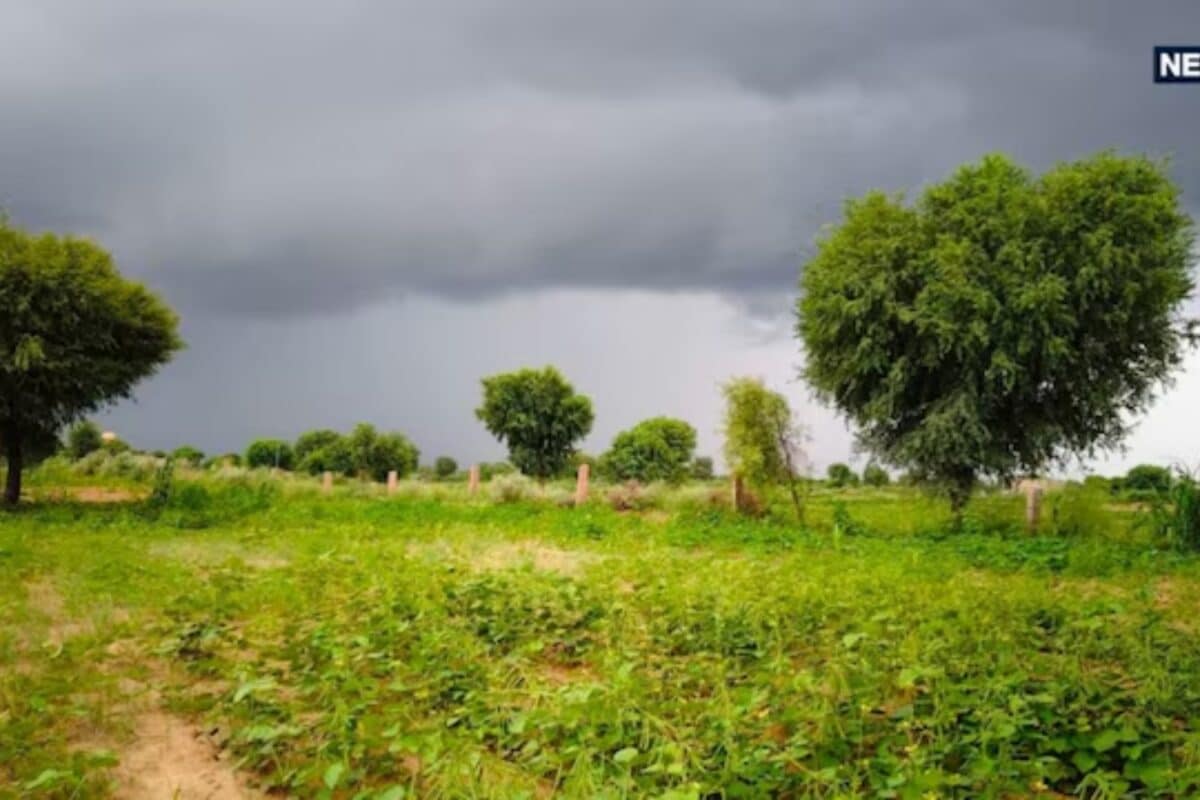
The Meteorological Department has issued a detailed weather outlook for Rajasthan for 26 September 2026, projecting a distinct regional divide in meteorological conditions across the state. While certain pockets of the eastern territory prepare for moisture-laden spells, the vast expanse of the western desert landscape remains locked in dry atmospheric patterns. This weather bifurcation highlights the diverse climatic shifts currently influencing the region, impacting daily routines, agricultural planning, and local commerce across various administrative divisions.
Historically, transitional weather phases in late September across Rajasthan bring complex meteorological phenomena, combining residual monsoon currents with dry continental winds from the west. The department continues to monitor these atmospheric fluctuations closely to provide timely updates to the public, farmers, and civic bodies. Such seasonal variations are critical for understanding broader climatic trends in the region, which traditionally experience shifts in temperature profiles during this period of the year.
According to the official meteorological bulletin, specific districts situated within the eastern divisions of Jaipur, Kota, and Bharatpur are slated to witness light rainfall activity at isolated locations. This wet spell is expected to be accompanied by atmospheric phenomena including thunder development, lightning strikes, and brisk gusty winds maintaining speeds ranging between 30 to 40 kilometers per hour. Despite these localized weather disturbances, authorities have confirmed that no official weather warning or high-alert advisory has been issued for any district across Rajasthan for 26 September 2026.
Conversely, the western landscape of Rajasthan presents an entirely contrasting meteorological scenario, characterized by persistently dry weather conditions. Daytime temperatures in this arid zone have been recorded hovering at 4 to 5 degrees Celsius above normal averages, causing discomfort to residents and putting localized stress on water resources. Agricultural experts and local traders note that while the dry heat aids certain harvesting activities, it simultaneously elevates power consumption and depletes immediate soil moisture reserves.
The regional ramifications of this forecasted weather pattern are particularly pertinent for communities residing near Kotputli-Behror and surrounding districts, where local populations navigate fluctuating daily temperatures. Farmers and local market vendors in these areas must adapt their logistical schedules to account for potential gusty winds reaching 30 to 40 kilometers per hour during eastern showers, while preparing for the sustained warmth characterizing the western boundary zones.
Administrative bodies, district disaster management cells, and civic authorities remain vigilant, ensuring that all municipal services and local infrastructure remain fully prepared to handle any minor disruptions caused by sudden lightning or gusty winds. Although no severe weather warnings are currently in force, district administrations continue to coordinate with meteorological monitoring units to disseminate advisory information promptly to rural and urban inhabitants alike.
Looking ahead, meteorological models indicate a favorable shift in thermal conditions following the next 48 hours, with anticipated temperature drops ranging from 2 to 3 degrees Celsius across the affected zones. This forthcoming relief is expected to moderate the prevailing high temperatures, bringing much-needed comfort to residents and establishing a stable climatic environment as the region transitions further into the post-monsoon season.