
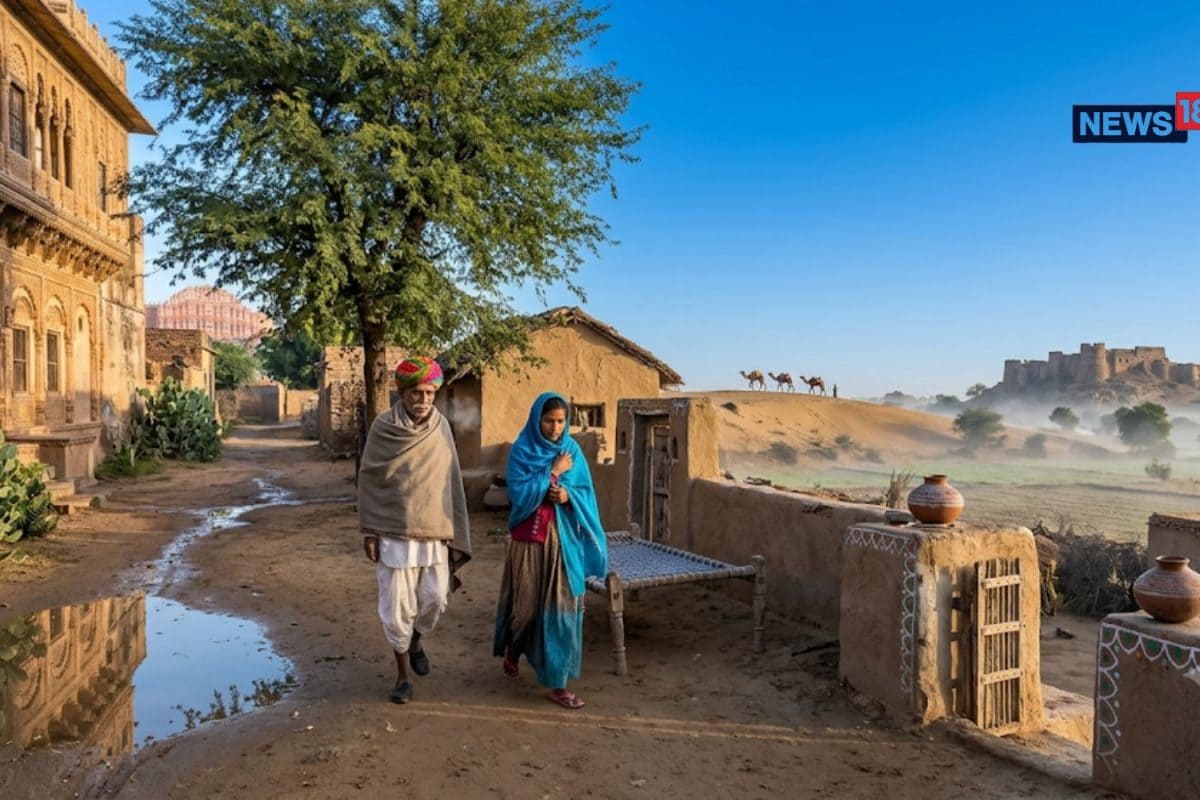
The state of Rajasthan is currently witnessing a stark dichotomy in its weather patterns, with simultaneous spells of biting winter chill and intense daytime warmth gripping different regions. According to the latest official weather bulletins issued by the Meteorological Center Jaipur, under the India Meteorological Department (IMD), the overarching meteorological condition across most parts of the state is slated to remain dry. Authorities have projected that these weather characteristics will persist consistently for the upcoming 10 days without recording any major fluctuations in the overarching temperature matrix.
This climate behavior is characteristic of the geographical diversity and transitional weather phases historically observed across the desert state during this period. While meteorological conditions vary drastically from the eastern and northern sectors to the western borders, the general atmospheric stability ensures that no sudden cloud cover or unseasonal precipitation disturbances are expected to disrupt the daily routine of citizens residing in various districts.
Examining the ground reality and temperature statistics, the northern and northeastern pockets of the state have recorded a steep decline in minimum temperatures. Sikar and nearby Fatehpur have emerged as the coldest pockets, where the minimum temperature has plunged down to approximately 4.3 to 4.7 degrees Celsius. This sharp drop has triggered severe morning and night chills, forcing residents to heavily rely on warm clothing and traditional heating measures. In contrast, the capital city of Jaipur maintains a moderate baseline with a minimum mercury level hovering around 11.8 degrees Celsius.
On the flip side, the western frontier districts are experiencing a completely different climate scenario characterized by substantial daytime heat. In localities such as Barmer and Jaisalmer, the maximum temperature has aggressively climbed to the range of 31 to 33 degrees Celsius. This ambient heat creates a strong contrast between the freezing nights of the north and the warm, sunny afternoons of the west, posing unique challenges for commuters and outdoor workers who must navigate both ends of the thermal spectrum.
Focusing on the broader regional impact, the current dry spell and fluctuating thermal conditions carry implications for local communities, agricultural planning, and daily commerce across districts including the extended Kotputli-Behror region. Farmers and local traders are closely monitoring these dry trends, as stable atmospheric conditions affect soil moisture levels and consumer footfall in local markets, directly influencing the rural economy and everyday livelihoods.
Responding to the ongoing climatic situation, administrative bodies and district disaster management cells are maintaining continuous oversight of the weather bulletins issued by Meteorological Center Jaipur IMD. While no adverse weather conditions or emergencies have been reported, local administrations remain vigilant to ensure that public health advisories regarding the extreme temperature shifts between freezing nights and warm afternoons are effectively communicated to vulnerable populations.
Looking ahead, the extended outlook provided by meteorological authorities indicates that dry weather will continue to dominate the state landscape for the next 10 days. Citizens, agricultural stakeholders, and regional authorities are advised to stay updated with official IMD forecasts, as the current pattern of chilly mornings and warm afternoons is expected to dictate daily life without immediate relief from weather warnings.
