
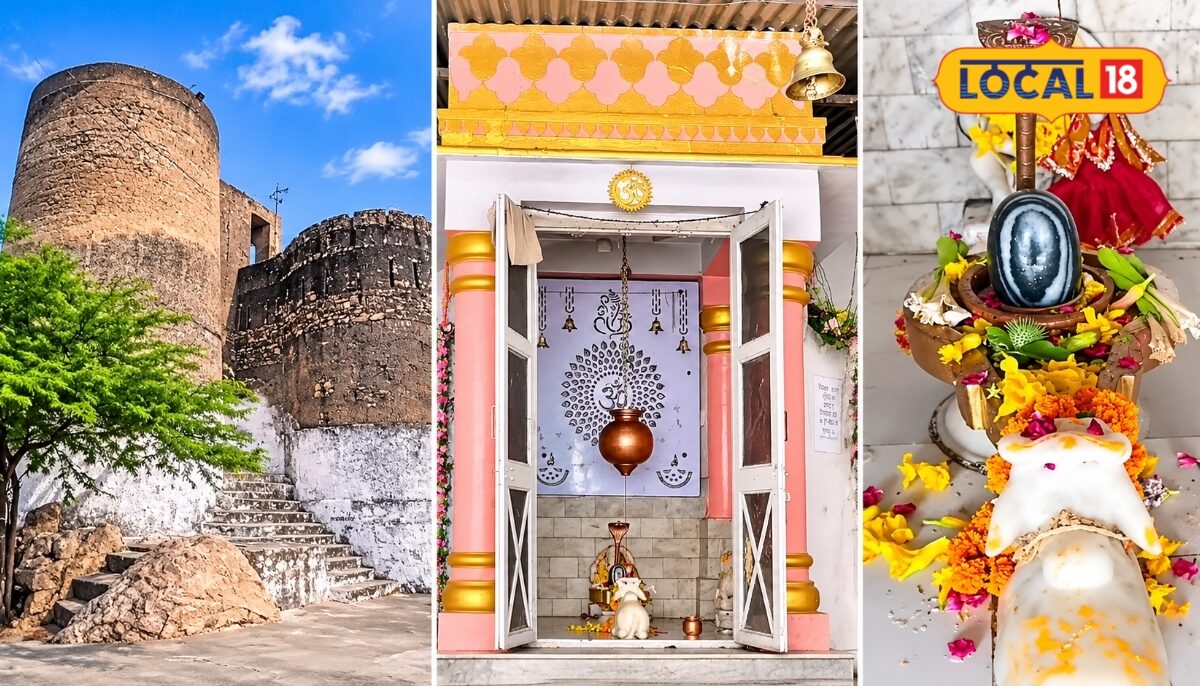
In the Jaipur Rural district, specifically within the historic Jobner town, a remarkable architectural and spiritual landmark continues to command profound reverence from devotees and history enthusiasts alike. Perched majestically on a rugged hill, the centuries-old Shiva temple situated within the ancient fort stands as a testament to the region's rich heritage. This sacred destination seamlessly blends deep religious devotion with architectural antiquity, drawing visitors who seek both spiritual solace and a connection to the past.
The historical genesis of this revered shrine dates back centuries, linked intrinsically to the administrative and cultural evolution of the area. According to established local accounts, the construction of this holy sanctum was commissioned by Rao Khangar, the ruler of Jobner during that era. Strategically positioned near the widely celebrated Jwala Mata temple, the fort and its internal temple complex served not only as defensive outposts but also as vital spiritual anchors for the local populace.
Examining the ground realities and logistical aspects of visiting this hill fortress reveals a significant transformation in accessibility over time. Historically, reaching the high-altitude shrine required a treacherous and demanding journey through difficult terrain, limiting visits primarily to the most determined pilgrims. However, infrastructural improvements, most notably the construction of proper staircases, have fundamentally altered the pilgrimage experience, allowing elderly individuals and families to ascend the hill safely and comfortably to offer their prayers.
Local stakeholders, residents, and frequent visitors harbor deep-seated cultural beliefs regarding the sanctity of the temple grounds. Among the most prominent local traditions is the widespread belief that catching a glimpse of a black cobra in and around the temple premises is a profound omen, symbolizing the direct presence, divine grace, and blessings of Lord Shiva. This unique folklore adds an extra layer of mystery and spiritual intensity to the site, deeply resonating with the devout who frequent the shrine.
The cultural resonance of the Jobner Fort Shiva Temple extends far beyond its immediate neighborhood, influencing the broader regional identity of Jaipur Rural and neighboring areas. Heritage enthusiasts and religious tourists frequently travel to the location, providing a steady influx of visitors who appreciate the architectural grandeur of the fort alongside the spiritual serenity of the Shiva temple. This dual identity as both a historical fortification and a living temple enhances the cultural vibrancy of the entire district.
Administrative oversight and local community efforts have increasingly focused on preserving the structural integrity of the ancient fort while maintaining facilities for the swelling number of devotees. Local authorities and community leaders recognize the importance of maintaining pathways, ensuring cleanliness, and managing the safety of visitors who navigate the hill terrain. These measures ensure that the historical site remains accessible while respecting its sacred character.
Looking toward the future, the Jobner Fort Shiva Temple stands poised to retain its dual status as a premier historical monument and a vibrant spiritual center. As more travelers discover the architectural prowess of ruler Rao Khangar's legacy and the peaceful ambiance of the hilltop shrine, the site expects continued growth in religious tourism. Community elders and local organizers remain committed to preserving the ancient traditions and narratives that make this hilltop sanctuary an enduring beacon of faith.
