
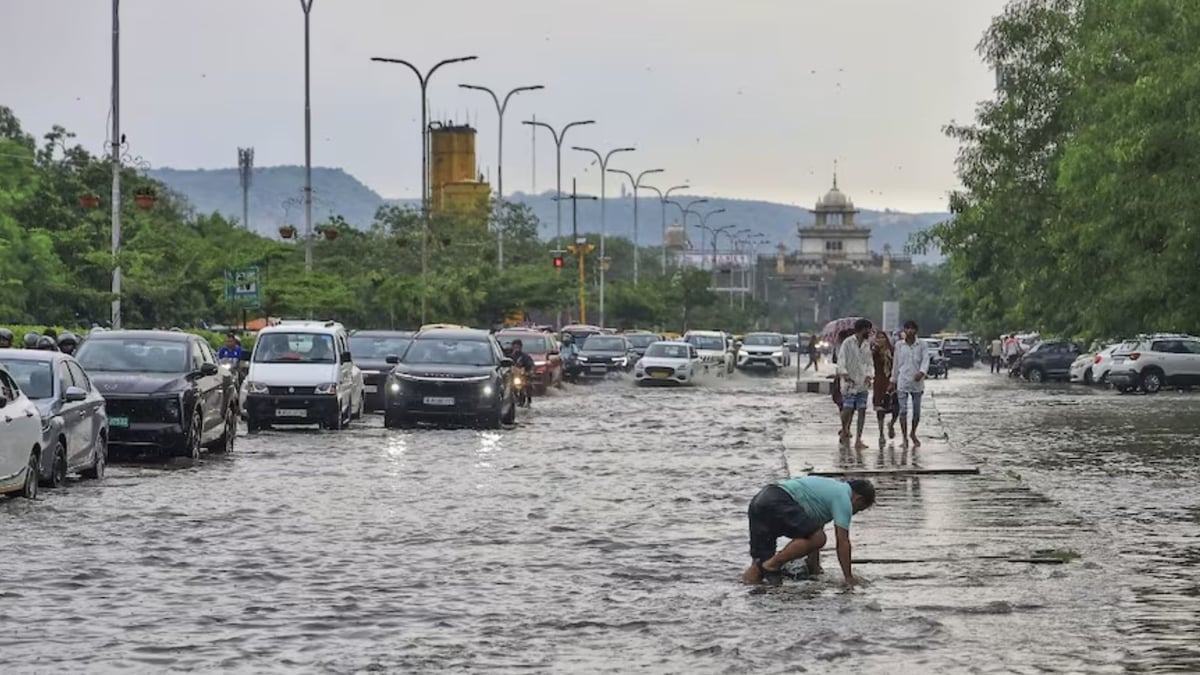
Rajasthan is currently experiencing a significant turn in weather conditions as the Meteorological Department issues a yellow alert for rainfall spanning 22 districts across the state. This weather system has brought dramatic shifts in atmospheric conditions, culminating in heavy downpours in several regions and noticeable drops in ambient temperatures. The sudden meteorological activity has drawn the immediate attention of regional authorities and local communities alike as precipitation sweeps across vast expanses of the territory.
The current weather pattern is rooted in active monsoon dynamics that frequently traverse the region during this time of the year, bringing much-needed relief from preceding dry spells while occasionally intensifying into heavy spells of precipitation. Historical weather data for Rajasthan indicates that such localized intense depressions can rapidly alter regional hydrological balances, filling local water reservoirs and lowering seasonal heat indexes significantly.
Ground reports from the affected zones reveal striking statistical metrics regarding the intensity of the precipitation. Most notably, the southern districts of Dungarpur and Banswara have recorded an extraordinary accumulation of up to 8 inches of rainfall. Concurrently, the desert district of Bikaner witnessed a substantial downpour measuring 70 mm of water, which instantly triggered a sharp and welcome decline in local temperatures, offering respite to residents from the oppressive heat.
Local inhabitants, agricultural workers, and regional traders have expressed mixed reactions to these sudden climatic developments. While farmers in areas like Dungarpur and Banswara welcome the abundant moisture for soil hydration and crop preparation, residents in urban pockets of Bikaner are navigating the immediate infrastructural challenges posed by water accumulation. Community leaders and local merchants note that while sudden downpours disrupt daily commerce temporarily, the long-term replenishment of water tables remains a vital economic asset.
The broader regional implications extend toward local connectivity, trade routes, and community life throughout the impacted administrative divisions. Transportation networks within the 22 districts under the yellow alert are experiencing precautionary slowdowns as civic authorities remain vigilant against potential waterlogging and visibility issues. Local markets and municipal services are adapting swiftly to ensure that public safety is maintained amidst the fluctuating weather parameters.
In response to the yellow alert, administrative machinery across the 22 districts has been placed on heightened readiness. District administrations, disaster management cells, and municipal corporations are coordinating closely to monitor vulnerable low-lying areas and ensure that emergency drainage systems function optimally. Officials have urged citizens to stay updated on weather advisories and exercise caution during travel through heavy downpour zones.
Looking ahead, meteorologists project that the current wet spell across the 22 districts may continue to influence regional weather patterns over the coming days. Public expectations center on sustained administrative support, continuous meteorological updates, and careful management of municipal resources to safeguard community interests. As the monsoon systems persist, stakeholders across Rajasthan remain prepared for further developments in the daily weather cycle.