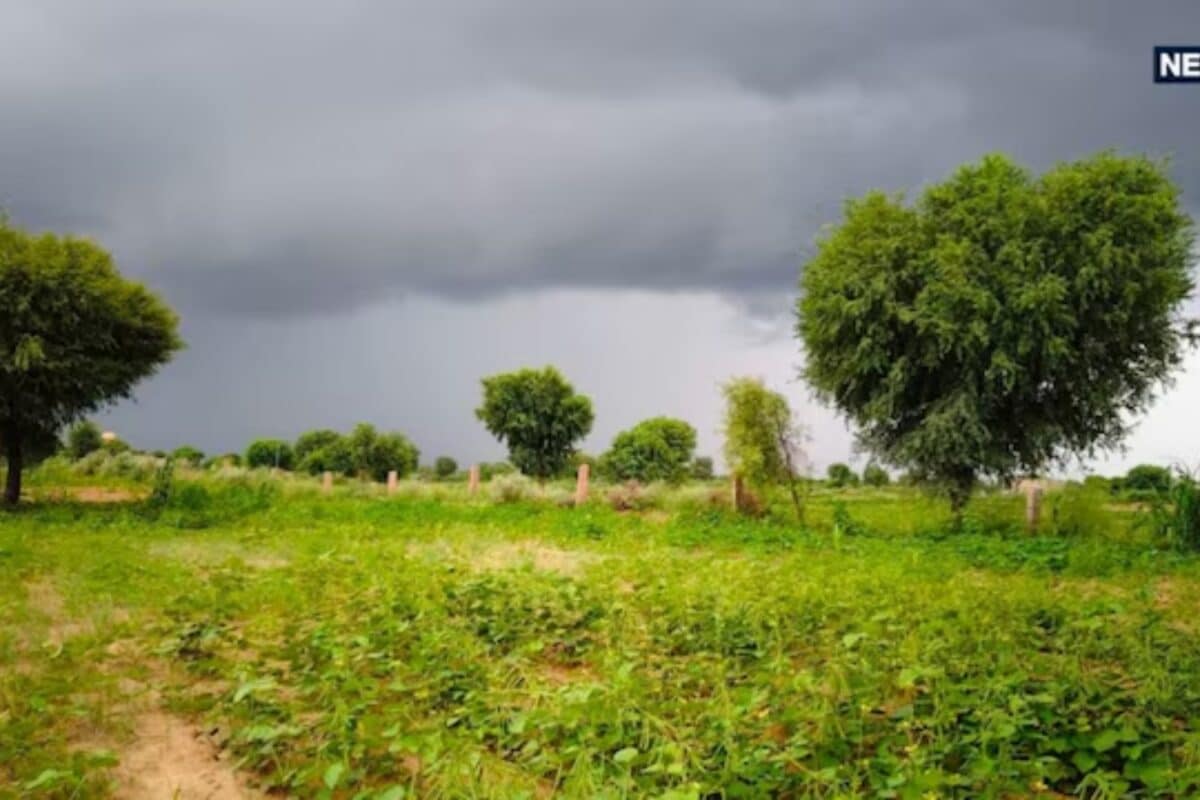
The Meteorological Center in Jaipur has issued a comprehensive and critical weather alert indicating a significant shift in climatic conditions across Rajasthan due to the active influence of a western disturbance. On October 11, 2026, residents across several designated districts are expected to witness sudden meteorological variations characterized by overcast skies, thunderous clouds, and precipitation. This weather advisory demands heightened preparedness from local communities, farmers, and district administrations as atmospheric pressures shift across the region, bringing much-needed moisture alongside potential weather-related disruptions.
Understanding the broader atmospheric context reveals that these localized weather fluctuations are recurrent phenomena associated with western disturbances originating from the Mediterranean region, which frequently traverse across northwestern India during transitional months. Historically, such upper-air circulation systems interact dynamically with local topographical features, triggering moisture-laden winds from the Arabian Sea and the Persian Gulf. Meteorological experts continuously monitor these complex isobaric patterns to forecast precise precipitation belts, ensuring that agrarian populations and regional planners receive timely warnings to safeguard standing agricultural yields and urban infrastructure.
A closer examination of the meteorological data highlights that specific districts in northern and western Rajasthan will bear the primary brunt of this climatic disturbance. Official assessments confirm that six districts are directly in the trajectory of this weather system, with Churu, Hanumangarh, and Sri Ganganagar placed under a formal yellow alert for localized rainfall, lightning strikes, and aggressive surface winds blowing at speeds ranging from 30 to 40 kilometers per hour. In addition to these northern territories, eastern regions of Rajasthan, particularly pockets within the expansive Jaipur division, are projected to experience intermittent spells of light to moderate rainfall.
Agricultural economists, local traders, and rural community representatives have expressed mixed reactions regarding this abrupt meteorological forecast. While dryland farmers often welcome precipitation as a natural source of soil rejuvenation for subsequent sowing cycles, local market committees and grain merchants voice operational concerns regarding the safety of open-air crop storage facilities. Transport unions and commuter associations have also highlighted potential logistical challenges, urging drivers to exercise extreme caution on highways amidst reduced visibility and gusty wind conditions.
In the Kotputli-Behror district and its contiguous administrative boundaries, regional economic activities and daily community routines remain closely attuned to these overarching weather patterns. Local authorities within the district have initiated preliminary reviews to monitor atmospheric developments, ensuring that municipal services and rural supply chains remain resilient against sudden downpours or localized waterlogging. Agricultural extension officers in the district are actively disseminating advisory guidelines to local farming cooperatives, urging them to secure harvested produce and implement protective measures for vulnerable vegetation.
Administrative responses from disaster management cells and district disaster response authorities have been systematically coordinated following the issuance of the meteorological bulletin. Emergency operation centers remain on standby to coordinate rapid response deployments should severe thunderstorms or lightning incidents materialize across the affected zones. Local municipal bodies have been directed to inspect drainage networks, clear obstructive foliage, and ensure that public utility infrastructures are adequately reinforced to withstand wind speeds touching 40 kilometers per hour.
Looking toward the forward outlook and extended timeline, meteorological projections indicate that the current spell of atmospheric instability will be succeeded by another distinct weather transition mid-month. Specifically, weather analysts have forecasted that between October 13 and October 14, northern Rajasthan and the culturally significant Shekhawati region will experience yet another phase of climatic alterations. Citizens, agricultural stakeholders, and administrative agencies are advised to stay updated through official bulletins issued by the Meteorological Center in Jaipur to navigate the upcoming weather developments safely.