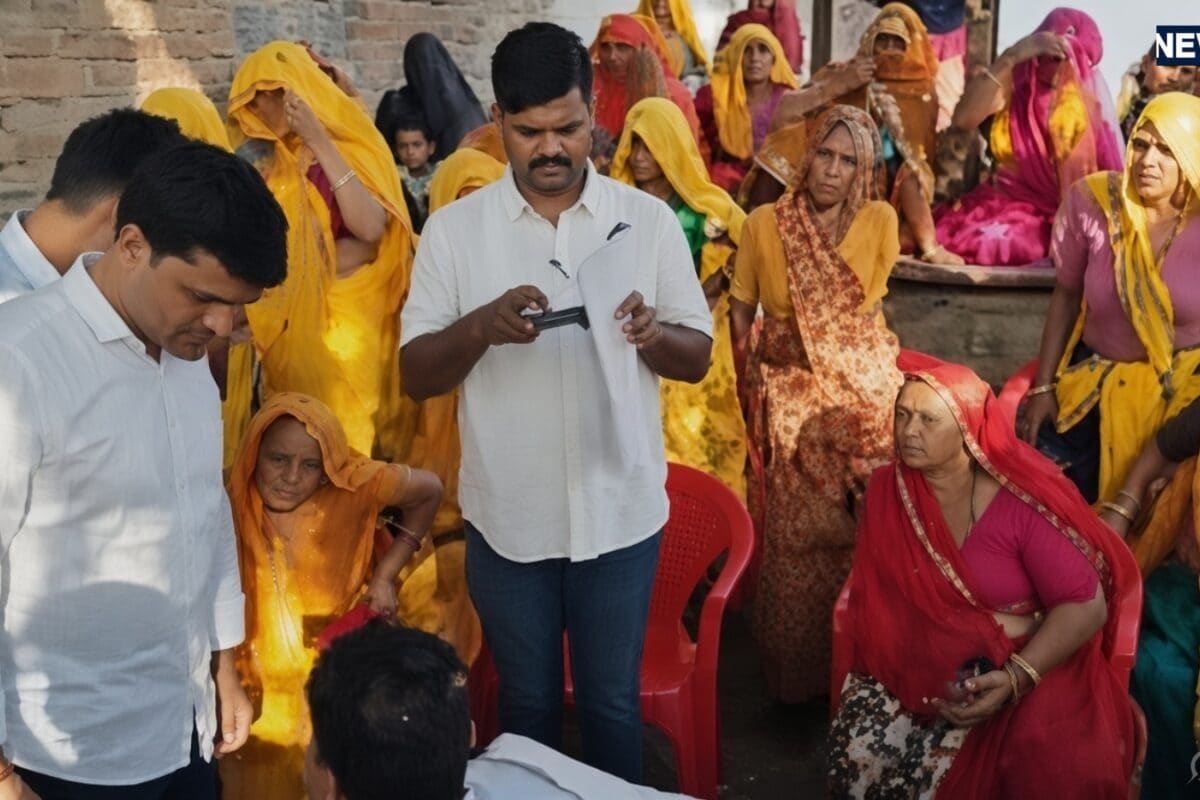
The ongoing agitation led by prominent farmer leader Naresh Meena in Baran has reached a critical juncture as his health deteriorated significantly on the ninth day of his continuous hunger strike. The prolonged fast, undertaken to press various pressing demands, has begun to take a severe physical toll, sparking widespread concern among supporters, local residents, and administrative machinery alike. Medical parameters monitored at the protest site indicated alarming drops in physical endurance, necessitating immediate intervention to prevent any untoward escalation in his health crisis.
The roots of this intense agitation trace back to long-standing grievances concerning agricultural policies, administrative apathy towards rural communities, and unresolved demands put forth by agrarian representatives in the region. Over the preceding days, the protest had steadily galvanized considerable support from local farmers and labor groups who feel disenfranchised by prevailing socio-economic challenges. The convergence of multiple agrarian issues created a high-stakes environment in Baran, transforming a localized demonstration into a prominent focal point for regional political and social discourse.
As the hunger strike entered its crucial ninth day, the physical strain on Naresh Meena became profoundly evident, prompting immediate mobilization by the district administration. Recognizing the gravity of the deteriorating medical parameters, senior administrative and law enforcement personnel arrived at the protest venue to assess the situation and ensure the preservation of public order and personal safety. The presence of top-tier officials underscored the administrative urgency required to manage the escalating tensions associated with a high-profile fast.
A high-level administrative delegation, comprising the Sub-Divisional Magistrate (SDM), Deputy Superintendent of Police (DSP), and Additional District Magistrate (ADM) Ramavatar Meena, personally engaged with the farmer leader. During these protracted deliberations, the officials urged Naresh Meena to prioritize his health and accept necessary medical evaluation. The administrative team emphasized the paramount importance of safeguarding human life while acknowledging the gravity of the grievances that led to the extreme form of protest.
While the immediate ripple effects of this prolonged agitation are most visible within Baran, the broader socio-political implications resonate strongly across neighboring administrative zones, including Kotputli-Behror. Local agrarian networks and community stakeholders in various districts are closely monitoring the developments, as the outcome of this impasse could set a significant precedent for administrative engagement with rural protests. The economic and social stability of the wider region heavily relies on the peaceful and constructive resolution of such contentious matters.
In response to the urgent medical advice and persuasive efforts by ADM Ramavatar Meena, SDM, and DSP, the authorities successfully facilitated the transfer of Naresh Meena from the protest site to the Baran district hospital. Upon arrival, a dedicated medical team immediately commenced comprehensive health examinations to stabilize his condition and provide necessary clinical care. Administrative oversight remains vigilant to ensure that all necessary healthcare protocols are strictly observed during his hospital stay.
Despite being shifted to a formal medical facility under the supervision of attending physicians, Naresh Meena has firmly declared his intention to persist with his hunger strike from within the hospital walls. This steadfast stance indicates that the underlying administrative challenges and core demands remain unaddressed, setting the stage for continued negotiations between the leadership and government representatives. The coming days will be critical in determining whether a mutually acceptable dialogue can be established to resolve the crisis permanently.