
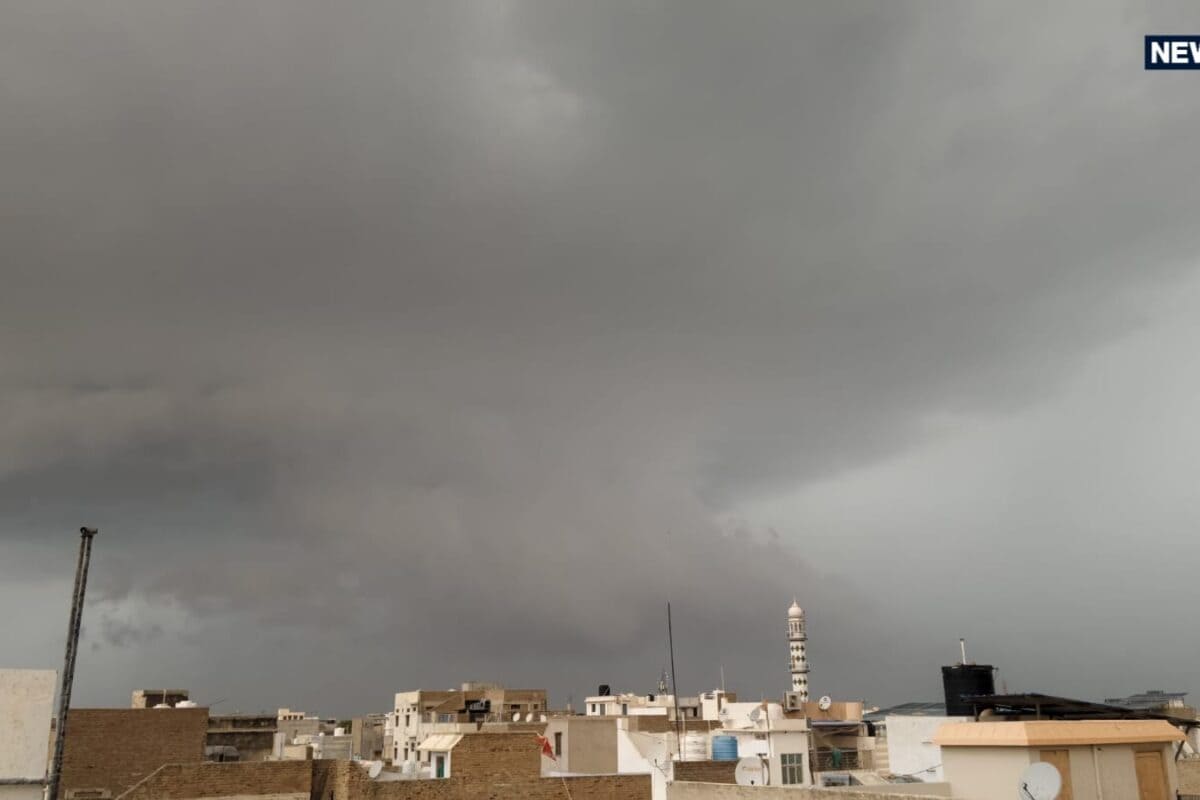
Rajasthan is set to witness a noticeable shift in its weather patterns on 13 October, according to the latest forecasts issued by the India Meteorological Department (IMD). The atmospheric disturbance is expected to bring overcast skies, thunderous clouds, and light rainfall to several parts of north-western and northern Rajasthan. Residents and local administrations across the affected zones have been placed on alert as meteorological conditions transition toward cooler parameters following weeks of persistent daytime heat.
The geographical scope of this impending weather activity primarily concentrates on the Bikaner division and the culturally significant Shekhawati region. Specifically, districts such as Churu, Sikar, and Jhunjhunu are slated to experience active weather developments, bringing much-needed relief to populations that have endured prolonged warm spells. Similar weather manifestations are anticipated in localized pockets of Bikaner, Sri Ganganagar, and Hanumangarh, marking a widespread shift across the northern expanse of the state.
A critical component of this meteorological update involves gusty surface winds, with velocities projected to range between 30 to 40 kilometers per hour, peaking at an intensive 40 Kmph during thunder activities. These high-speed winds necessitate precautionary measures, particularly for commuting vehicles, outdoor structures, and electrical installations. While the rainfall is forecasted to remain localized rather than uniform across every single territory, the cumulative atmospheric cooling is expected to drive maximum and minimum temperatures down by 2 to 3 degrees Celsius over the forthcoming days.
Agricultural communities across the affected rural belts are closely monitoring the situation, as the unseasonal weather poses both benefits and operational challenges. Farming syndicates and local agrarian experts have noted that while the impending drop in temperature will favor seasonal preparations, sudden cloud cover and precipitation could threaten harvested agricultural produce left unprotected in open fields. The agrarian sector forms the backbone of these regional economies, making timely logistical adjustments imperative for vulnerable farmers.
Regional implications extend deeply into the rural-urban continuum of northern Rajasthan, where local trade, daily commuting schedules, and small-scale commerce often adapt dynamically to weather disruptions. Civic authorities in Churu, Sikar, and neighboring districts are reviewing municipal preparedness to handle potential waterlogging or brief disruptions in power supply caused by gusty wind movements. Local markets dealing in agricultural inputs and seasonal grain trade are also bracing for temporary slowdowns should localized downpours intensify.
In response to the operational risks highlighted by the weather advisory, regional administration units and agricultural extension offices have initiated outreach programs. Officials are disseminating precautionary advisories to rural cooperatives, urging vigilance regarding the safety of stored grains and outdoor agricultural equipment. Administrative preparedness remains heightened to assist any localized distress stemming from sudden squalls or unexpected downpours during the active weather window.
Looking ahead, meteorologists expect the atmospheric systems to stabilize progressively after 13 October, leaving behind a pleasant drop in regional temperatures. Citizens and farming communities are advised to remain updated through official meteorological bulletins issued by the IMD and to execute recommended safeguards diligently. As autumn progresses, this weather system serves as an early indicator of seasonal transition across the western desert state.
