
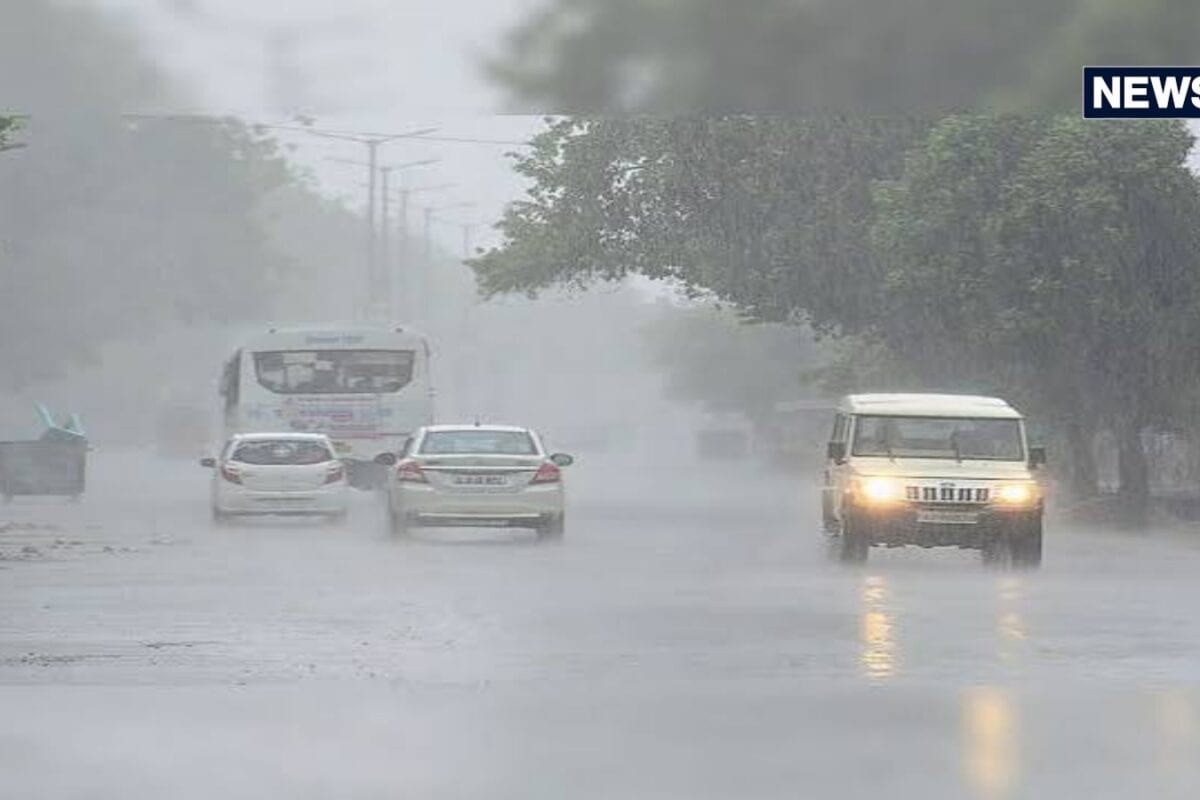
The meteorological landscape across Rajasthan is poised for a significant transition as authorities issue an urgent weather advisory for October 20. According to official reports, exactly 7 districts and specific zones within the state are slated to experience an abrupt shift in climatic conditions, characterized by active thunderstorms, lightning, and precipitation. This developing weather pattern has immediately drawn the attention of civic authorities, agricultural communities, and daily commuters who rely heavily on accurate meteorological forecasts for their routine planning.
Understanding the broader atmospheric context reveals that this upcoming meteorological disturbance stems from interacting weather systems influencing the northern and central plains of the country. Historically, October marks a transitional phase in Rajasthan where the retreating monsoon makes way for autumn, occasionally colliding with western disturbances or localized moisture incursions from surrounding regions. This seasonal juxtaposition frequently triggers sudden convective activities, particularly in the eastern halves of the state, setting the stage for localized downpours and atmospheric instability.
Examining the precise geographical distribution, the forecast highlights a stark contrast between different zones of the state. While the western parts of Rajasthan are anticipated to experience completely dry and clear weather conditions, the eastern and south-eastern territories are squarely in the path of the active weather system. Communities residing in key administrative and cultural hubs, including Jaipur, Kota, and the wider Hadoti region, are preparing for varying intensities of rainfall, accompanied by gusty winds that could potentially disrupt outdoor schedules and transport networks.
Local stakeholders, ranging from urban traders to rural agrarian cooperatives, have expressed mixed sentiments regarding the sudden shift in weather. Farmers across the eastern districts are closely evaluating the potential impacts of lightning and sudden gusts on standing seasonal crops, while urban residents ponder whether precipitation will sufficiently cool down the lingering afternoon warmth. Market vendors in Jaipur and Kota are taking precautionary measures to secure their open-air merchandise against unexpected downpours and strong surface winds.
Zooming into the regional and localized implications, communities throughout the state, including developing commercial belts, are recalibrating their daily logistics to mitigate any weather-induced disruptions. Transport operators and logistics providers plying routes through the eastern and south-eastern corridors have been advised to exercise heightened caution during periods of reduced visibility and intense gust activity. Local civic bodies are also remaining vigilant to address potential minor waterlogging or brief electricity interruptions caused by lightning strikes.
In response to the yellow alert issued for October 20, local administrative bodies and disaster management cells have stepped up their vigilance. District disaster response authorities are maintaining open communication channels with meteorological monitoring stations to relay real-time updates to the public. Officials have urged citizens residing in the affected zones to stay informed through verified channels, avoid sheltering under isolated trees during lightning episodes, and adhere strictly to localized safety advisories.
Looking toward the forward outlook, meteorologists anticipate that atmospheric conditions will begin to stabilize progressively within forty-eight hours following the active spell on October 20. While western Rajasthan maintains its dry trajectory, eastern districts will gradually witness clearing skies as the convective system moves eastward. Public expectations remain centered on a peaceful transition back to normal seasonal temperatures, allowing normal agricultural and urban activities to resume without prolonged hindrance.
