
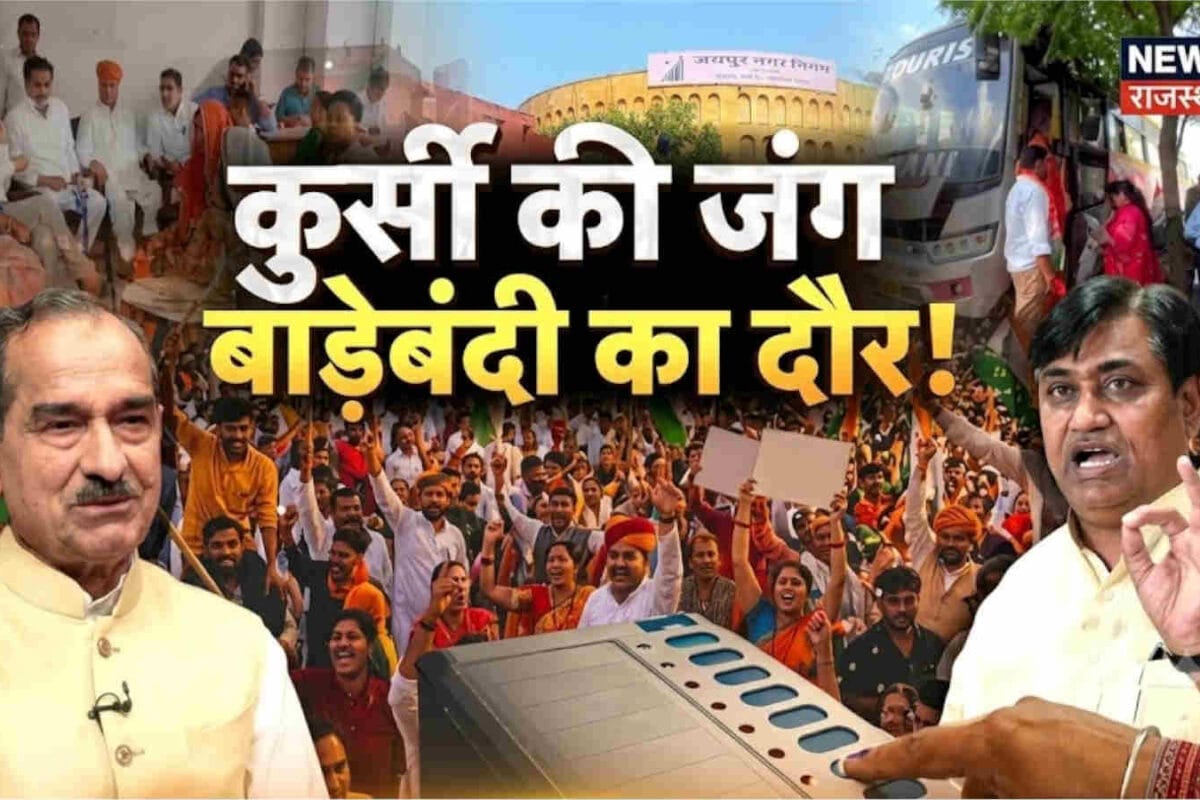
The political landscape across Rajasthan witnessed a dramatic escalation today as the nomination process for the final phase of urban local body chiefs officially concluded. Across various municipal bodies in the state, the atmosphere remained charged with anticipation and frantic political activity as major political parties raced against time to finalize their leadership candidates. The intense political maneuvering underlines the high stakes involved in capturing these local governance seats, which serve as crucial barometers of grassroots political influence.
Finalizing names for the coveted posts of municipal chiefs proved to be an exceptionally arduous task for both the ruling and opposition camps, specifically the Bharatiya Janata Party (BJP) and the Indian National Congress. Internal dissent, intense lobbying by aspiring local leaders, and the unpredictable nature of newly elected ward members created massive hurdles for party high commands. Local party offices witnessed prolonged discussions, closed-door meetings, and frantic consultations to avert internal rebellions and arrive at a consensus candidate capable of securing a majority.
To safeguard their numerical strength and prevent defections, both political organizations deployed aggressive confinement strategies, commonly known as 'badabandi'. Party strategists utilized every conceivable method, famously described through the traditional political doctrines of Sama, Dama, Danda, and Bhed, to keep their flock intact. Elaborate logistical arrangements, guarded resorts, and secret locations were utilized to house the councilors safely away from the prying eyes of rival camps, ensuring that no elected representative could be poached or influenced ahead of the crucial voting day.
While a section of party leaders remained stationed inside these guarded enclaves to monitor the daily activities and morale of the councilors, another heavily engaged faction operated outside. These external delegations were tasked with the delicate responsibility of tracking down, pacifying, and negotiating with stubborn rebel candidates and independent councilors. With the arithmetic of the house often hanging in the balance, the goodwill and support of these independent voices have suddenly transformed from fringe elements into the ultimate deciding factor for mayoral and chairperson seats.
The ripples of this high-stakes political drama are deeply felt across various regions, including the Kotputli-Behror district, where local commercial hubs, community circles, and administrative corridors are abuzz with speculation. Urban governance at the local level directly dictates the pace of civic infrastructure development, sanitation projects, and regional economic management. Consequently, local business communities and ordinary citizens are closely watching these political developments, hoping that the eventual leadership will prioritize public welfare over partisan power struggles.
District and municipal administrations have maintained strict vigilance over the entire electoral procedure to ensure absolute transparency, adherence to statutory guidelines, and the maintenance of public order. Security arrangements around nomination centers and potential gathering points have been significantly beefed up by local law enforcement agencies. Officials have reiterated their commitment to conducting a free, fair, and peaceful election process, keeping a strict watch on any potential violations of the model code of conduct during this high-tension phase.
The ultimate test of these exhaustive negotiations, strategies, and administrative preparations is scheduled to take place on September 21, when voting for the urban body chiefs will officially occur. As the clock ticks down toward this decisive date, the political temperature in Rajasthan continues to soar. Both the BJP and the Congress are leaving no stone unturned in their quest to secure maximum municipal leadership positions, promising a dramatic and fiercely contested electoral showdown.