
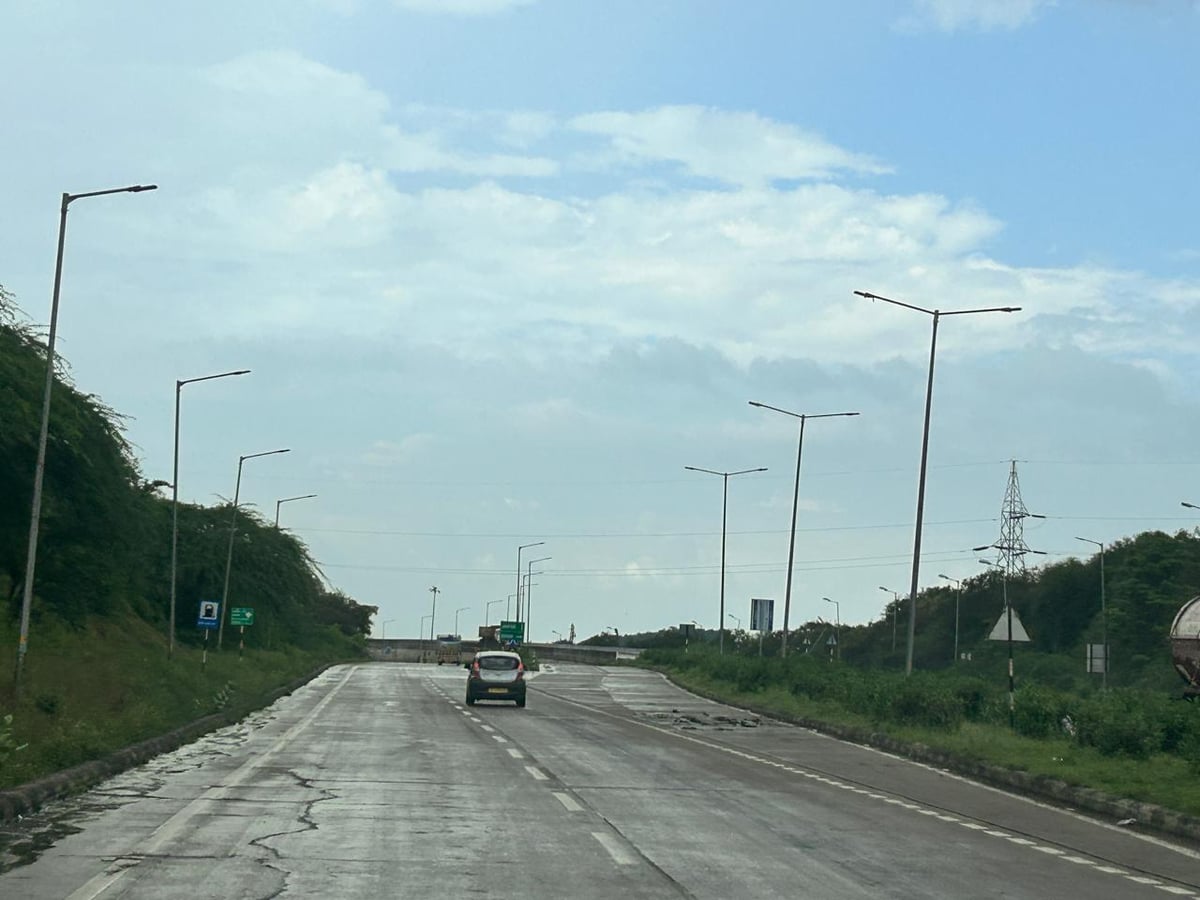
An abrupt and intense shift in weather conditions across Rajasthan has brought a sharp chill to the region, as a newly active western disturbance unleashed widespread rainfall and sharp hailstorms. The atmospheric disruption has driven temperatures down by as much as 5 degrees Celsius in several affected zones, altering the typical climatic pattern for this time of the period. Meteorological experts note that these unseasonal showers are a direct outcome of upper-air cyclonic circulations interacting with moisture-laden winds sweeping in from western corridors, creating volatile atmospheric instability.
Historically, western disturbances during this period of the year play a crucial role in shaping agricultural output and regional water tables across northwestern India. While occasional winter precipitation supports Rabi crop cultivation, sudden unseasonal downpours accompanied by localized hail often trigger deep anxiety among farming communities. The historical frequency of these disturbances has varied significantly over the past decade, heavily influenced by shifting global climate indicators, erratic wind patterns, and altering temperature gradients across the Thar Desert and surrounding plateaus.
The ground reality reflects a sudden disruption in daily routines and logistical movements, particularly as the system made its presence felt across key urban and rural pockets. In Jaipur, the state capital, skies darkened abruptly in the early hours, leading to a heavy downpour that lasted uninterrupted for exactly 20 minutes. This intense burst of rain temporarily slowed vehicular movement on major arterial roads, created localized waterlogging in low-lying intersections, and forced morning commuters to seek shelter, bringing a swift halt to usual outdoor activities.
Local residents, urban traders, and rural agriculturists have expressed deep concern over the erratic behavior of the climate. Community leaders and local market associations noted that sudden temperature drops and wet spells disrupt open-air commercial activity and pose severe risks to vulnerable outdoor workers. Farmers across the affected rural belts have voiced acute apprehension, pointing out that unseasonal moisture and falling ice pellets can severely damage standing crops, flatten ready-to-harvest grain, and cause irreversible financial setbacks to agrarian households.
The regional impact of this active meteorological system extends intensely toward surrounding administrative jurisdictions, including areas closely linked with the Kotputli-Behror region. Local communities here are closely monitoring weather updates, as dipping temperatures and threatening skies disrupt local market commerce and agricultural planning. Rural producers in these peripheral sectors fear that any intensification of the weather pattern could directly jeopardize their seasonal harvest, affecting local supply chains, grain pricing, and overall rural economic stability.
In response to the developing weather emergency, regional administrative bodies and disaster management cells have stepped into a heightened state of readiness. District collectors, revenue officials, and local civic authorities across the threatened zones have been instructed to maintain continuous vigilance. Municipal teams are inspecting drainage channels to prevent urban flooding, while agriculture extension officers are preparing advisories to help farming families safeguard their produce against impending weather hazards.
Looking ahead, the meteorological department maintains an active surveillance protocol, with forecasts indicating that the spell of atmospheric volatility may persist for the immediate future. Officials have specifically issued a stringent weather alert covering 7 districts for today, advising citizens to exercise extreme caution during travel and outdoor engagements. As monitoring stations track the movement of the western disturbance, public expectations center on timely administrative advisories and continued vigilance to mitigate any adverse impacts of the unseasonal precipitation.
