
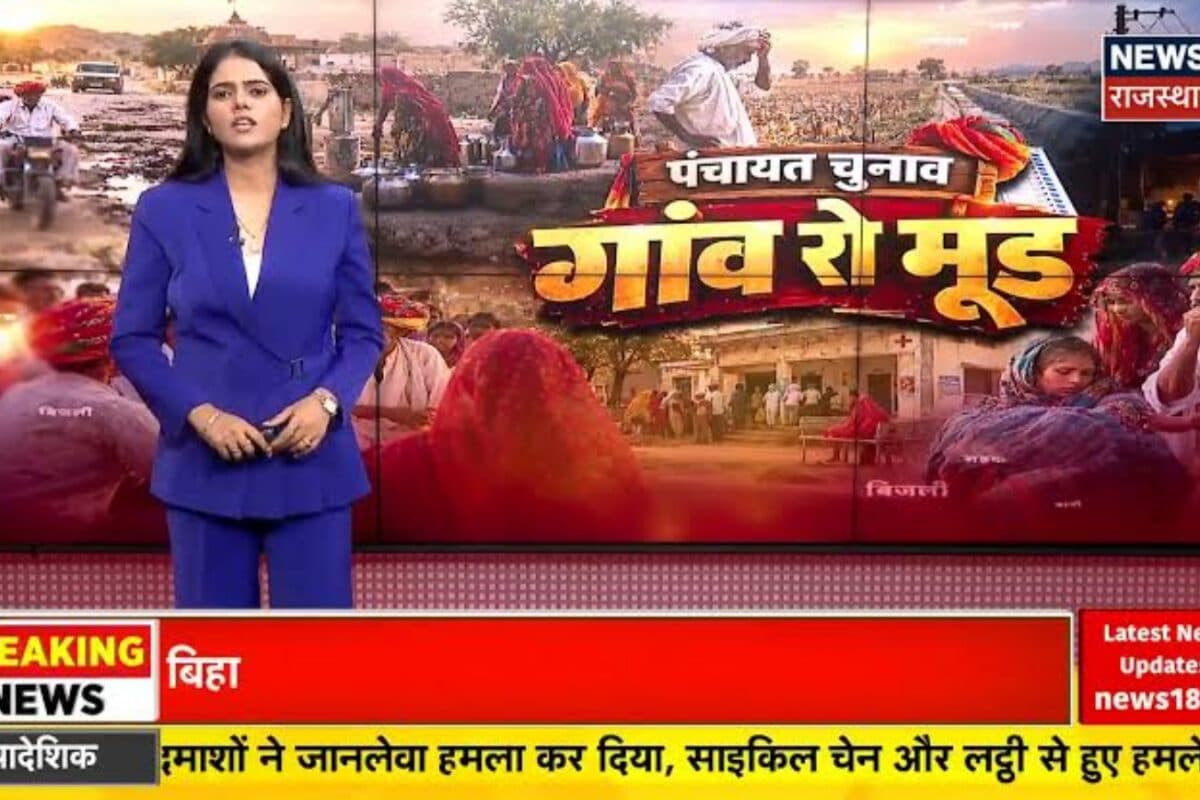
In the district of Dausa, the upcoming Panchayati Raj elections have witnessed an unexpected and intense administrative challenge as government employees crowd offices in a desperate bid to cancel their assigned election duties. Long queues of personnel seeking exemptions have become a daily sight at administrative headquarters. This sudden rush has severely disrupted routine preparation schedules, placing immense pressure on the election machinery as officials struggle to maintain required staffing levels for smooth polling operations.
The phenomenon of employees attempting to shirk election responsibilities is deeply rooted in administrative traditions, but the sheer volume observed currently in Dausa is unprecedented. Election duty is widely perceived by field staff as an arduous assignment involving long hours, remote postings, and immense logistical stress. Consequently, whenever electoral schedules are announced, administrative offices invariably experience a sudden surge in requests for medical and personal exemptions, turning duty assignment distribution into a contentious bureaucratic battleground.
On the ground in Dausa, the reasons cited by employees seeking relief form a diverse and emotional catalog of personal hardships. Numerous staff members have approached authorities claiming critical illnesses afflicting their elderly mothers, while others plead sole responsibility for the daily care and upbringing of young sons or daughters. Furthermore, a significant segment of applicants insists they are the only surviving or available adult capable of managing aging parents within their immediate family structure, thereby rendering them completely indispensable at home.
Compounding the administrative burden, the pressure to grant exemptions has escalated beyond routine bureaucratic channels into the realm of high-level political patronage. Influential political figures, including sitting ministers and local members of the legislative assembly, have reportedly placed numerous phone calls to district officials seeking favorable consideration for specific employees. This direct political intervention has created a delicate situation for the district administration, forcing them to balance political expectations against the absolute necessity of maintaining neutrality and fairness in electoral management.
While the immediate developments are centered within Dausa, the implications of such widespread resistance to election duty resonate deeply across surrounding regions, including Kotputli-Behror. Local administrative bodies across Rajasthan closely monitor these developments, as public servants everywhere observe how the Dausa administration handles the delicate interplay between employee grievances, political interference, and statutory duty enforcement. The integrity of the electoral process often depends heavily on the morale and availability of frontline polling personnel.
Confronted with this massive influx of exemption applications and unprecedented political lobbying, District Collector Soumya Jha has taken decisive administrative action to restore order and credibility to the process. Rather than yielding to the pressure or granting arbitrary exemptions, Collector Soumya Jha has officially constituted a specialized medical board. This independent medical panel has been mandated to rigorously examine, verify, and authenticate the medical and physical claims submitted by every single employee seeking relief from election duties.
Looking ahead, the Dausa administration remains firm on ensuring that the upcoming Panchayati Raj elections are conducted smoothly with adequate manpower. The findings of the newly constituted medical board will dictate the final roster of exempted personnel, filtering out unfounded claims and compelling valid personnel to report for duty. Public expectations and administrative resolve now converge on this strict scrutiny process, which serves as a crucial test of governance and rule of law during the electoral season.
