
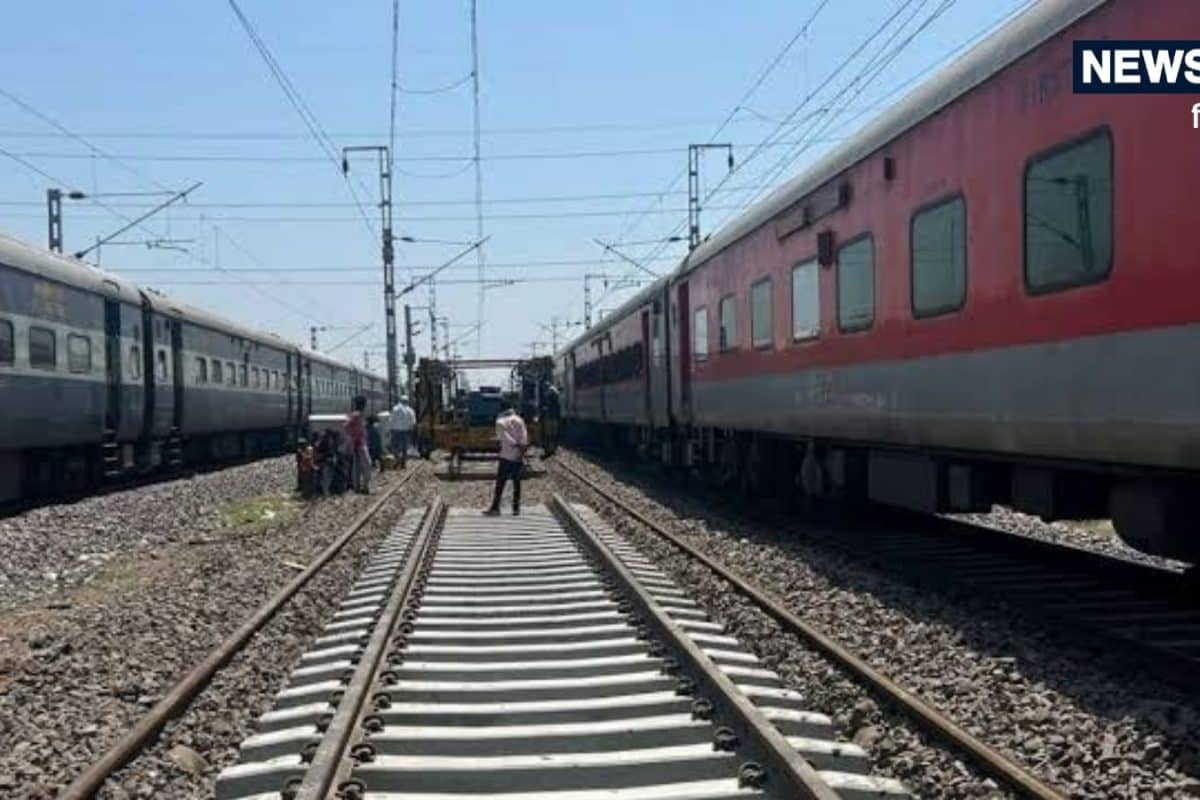
In a major infrastructural advancement for the state of Rajasthan, Indian Railways has launched an ambitious transformation plan encompassing 22 major railway projects with a staggering total investment exceeding 33,572 crore rupees. This comprehensive development initiative is meticulously designed to modernize the state's entire transportation grid, drastically reduce transit bottlenecks, and accommodate future freight and passenger demands efficiently. The monumental financial allocation highlights a strategic focus on expanding rail capacity, connecting critical industrial and commercial hubs, and ensuring seamless mobility for millions of citizens who rely daily on the railway network.
The historical context of these massive upgrades stems from decades of heavy reliance on single-line tracks across vast geographical expanses, which historically constrained train speeds, limited line capacity, and frequently caused severe delays in passenger and freight movement. Recognizing these systemic constraints, railway planners formulated this extensive series of 22 comprehensive infrastructure upgrades spanning multiple divisions. By addressing long-standing connectivity gaps between key urban centers, historical tourist destinations, and vital agricultural markets, these interventions aim to rectify historical infrastructural deficits and position the region for sustained economic prosperity.
At the ground level, the financial and logistical stakes are exceptionally high, with several marquee projects already entering advanced phases of execution. Among the standout initiatives are the Bikaner-Merta Road-Jodhpur, Ajmer-Chittorgarh-Udaipur, and Sadulpur-Churu-Ratangarh rail corridors, which form the absolute backbone of this regional transformation. Specifically, the crucial Bikaner-Merta Road sector covering a distance of 173 kilometers has secured an official financial sanction of 1,533 crore rupees solely dedicated to comprehensive track doubling. Furthermore, the extensive Ajmer-Chanderiya and Umra-Debari rail segments have been allocated over 2,305 crore rupees to eliminate single-line bottlenecks and enhance operational throughput.
Key stakeholders, including regional trade associations, daily commuters, and industry leaders, have expressed profound optimism regarding the tangible economic dividends these projects will yield. Local commerce chambers emphasize that the expansion of rail networks will significantly curtail logistics costs, accelerate the freight delivery of regional commodities, and stimulate industrial investments across the state. Passenger groups have similarly highlighted that the systematic elimination of crossing delays will ensure predictable, safe, and comfortable journeys for the traveling public, thereby bridging distances and fostering greater socio-economic integration across distant districts.
While the immediate concentration of these infrastructure projects focuses on central and western corridors, the broader regional impact extends beneficially to surrounding districts and commercial zones, including areas adjacent to Kotputli-Behror. Enhanced connectivity radiating from major junctions directly empowers local entrepreneurs and agricultural producers by granting them swifter, more reliable access to lucrative national markets. The ripple effects of robust rail infrastructure invariably stimulate regional employment, support small-scale manufacturing, and encourage sustainable urbanization by decentralizing economic activity away from overcrowded metropolitan cores.
Administrative oversight and statutory compliance are being rigorously maintained by railway authorities to ensure that execution remains transparent, accountable, and legally sound. Following the completion of mandatory preliminary surveys and essential gazette notifications, the administrative apparatus has actively transitioned into the critical phases of land acquisition and administrative tendering. District administrations and railway engineering departments are coordinating closely to resolve procedural bottlenecks, secure necessary clearances, and monitor contractor performance, thereby safeguarding public funds and maintaining rigorous engineering standards throughout the project lifecycles.
Looking toward the forward-looking timeline, the execution schedule has been meticulously structured to balance rapid development with operational continuity. While specific segments such as the Sadulpur-Churu-Ratangarh rail section have already achieved comprehensive milestones including successful track doubling, full electrification, and advanced automatic signaling, other monumental tasks are marching steadily toward their designated deadlines. Notably, the ambitious Ajmer-Chanderiya dualization project has been assigned a strict target completion date of March 2028. Public expectations remain high as these transformative railways continue to reshape Rajasthan's modern infrastructure landscape.
