
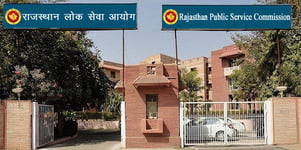
In a major development concerning state educational recruitment, the Rajasthan Public Service Commission has formally declared the official results for the senior teacher recruitment examination in the Hindi subject. Thousands of dedicated candidates who appeared for this rigorous academic assessment have been eagerly awaiting this announcement, which now paves the way for the subsequent phase of administrative scrutiny. The transparency and timely execution of such recruitment drives remain paramount to fulfilling vacancies within educational institutions across Rajasthan.
The genesis of this recruitment process lies in the continuous administrative endeavor by the state authorities to strengthen the educational framework by inducting qualified educators. Over the past months, the commission conducted multiple phases of examinations, adhering strictly to procedural protocols to ensure merit-based selection. The Hindi subject holds immense significance within the state curriculum, making the selection of proficient educators critical for the academic enrichment of students across various schools.
Delving into the specifics of the current declaration, the commission has officially included 3,609 candidates in the provisional merit list. These candidates have successfully cleared the preliminary benchmarks required for moving forward in the selection pipeline. This specific statistical figure underscores the massive scale of the recruitment drive, reflecting both the high level of participation by hopeful applicants and the stringent filtering process maintained by the examination board.
Educational stakeholders, including aspiring candidates, coaching associations, and academic observers, have closely monitored the progression of this recruitment cycle. Representatives of various teacher welfare associations noted that timely declaration of results mitigates mental distress among candidates who invest years in preparation. While the initial results bring immense relief to the selected individuals, the broader educational community emphasizes the need for absolute transparency during the upcoming evaluation phases.
Across regional administrative divisions, including growing education hubs such as Kotputli-Behror, the announcement has triggered active discussions among local youth and coaching centers. Many families in the region pin their hopes on government employment to secure stable livelihoods and contribute to community development. The successful progression of local candidates to the verification stage is viewed as a positive indicator of rural and semi-urban youth breaking barriers through academic excellence.
From an administrative standpoint, the Rajasthan Public Service Commission and allied departments are gearing up for the rigorous logistics of the next phase. Document verification requires meticulous cross-checking of academic credentials, caste certificates, domicile papers, and other statutory requirements. District-level officials have been directed to streamline administrative protocols to ensure that candidates from remote areas face minimal procedural hurdles during their verification appointments.
Looking ahead, the provisionally listed candidates must prepare thoroughly for the document verification schedule, which will be communicated through official commission channels in due course. Successful clearance of this physical verification is mandatory for final appointment recommendations. As the recruitment process moves toward its ultimate conclusion, successful aspirants and administrative bodies alike remain focused on maintaining integrity and expediting the final postings.
