
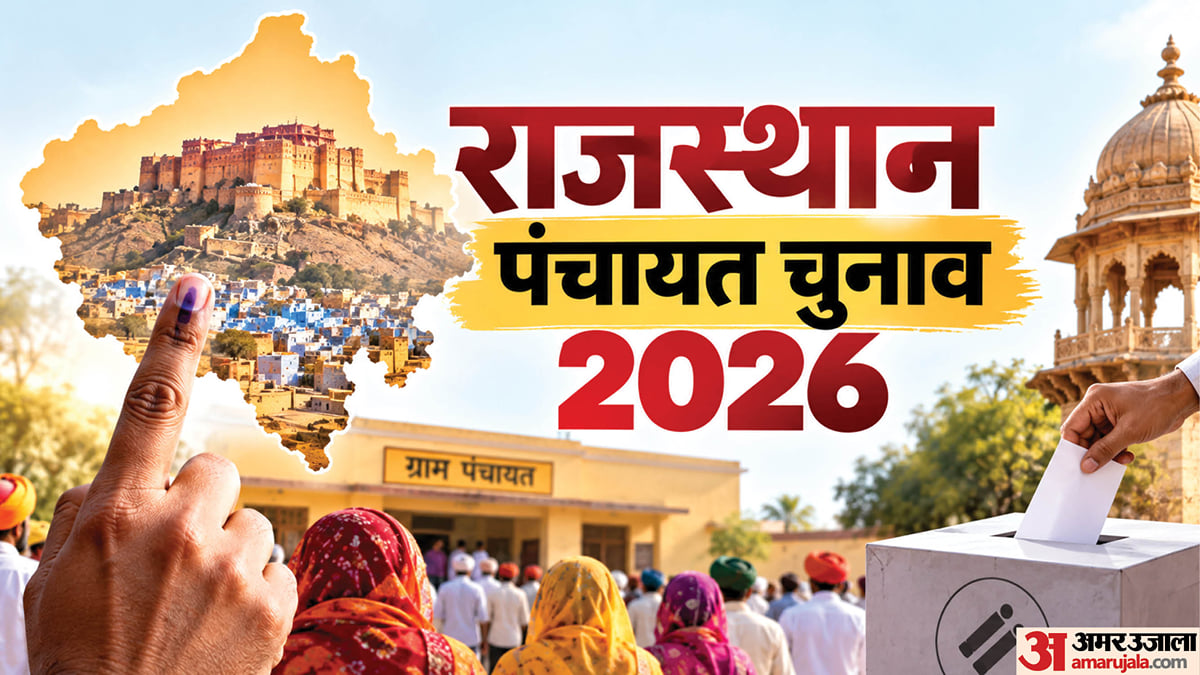
The political landscape in Rajasthan witnessed intense campaigning coming to a formal close on Tuesday, paving the way for the critical logistical phase of the upcoming grassroots elections. With the conclusion of public rallies, door-to-door canvassing, and last-minute appeals, candidates and political parties have shifted their focus from voter outreach to election-day management. This crucial democratic exercise marks a significant chapter in the state's rural governance framework, directly impacting local development and community administration at the grassroots level.
As political momentum transitions into administrative execution, the focus centers heavily on the meticulous orchestration required to conduct elections across expansive rural constituencies. Wednesday marks a critical operational milestone as designated polling parties are scheduled to depart for their respective voting booths, carrying essential electronic voting machines, ballot boxes, stationary, and security paraphernalia. These polling personnel undergo rigorous briefings to handle any contingencies, ensuring that every designated booth is fully equipped and operational well before the sun rises on polling day.
Amidst the rigorous preparations, community stakeholders, village elders, and local merchants have expressed profound interest in the unfolding political dynamics. Trade associations and local business entities in rural hubs note that election cycles temporarily invigorate local economies while focusing public discourse squarely on rural infrastructure, drinking water availability, road connectivity, and agricultural support. Citizens across the participating wards are carefully weighing their options, emphasizing transparency, developmental progress, and accountable local leadership as primary criteria for their franchise.
The regional impact of these elections resonates deeply within communities, particularly in shaping the socio-economic trajectory of rural households. Elected representatives at the district council and panchayat committee tiers play a pivotal role in channeling developmental funds, implementing central and state welfare schemes, and addressing localized grievances. Consequently, community members view this election not merely as a political contest, but as a direct instrument for determining the immediate civic future of their villages and neighborhoods.
Administrative machinery across the state has been placed on high alert to enforce the model code of conduct strictly and to maintain absolute law and order throughout the electoral cycle. District collectors and superintendents of police have reviewed security deployment plans, identifying sensitive polling booths and ensuring adequate force multipliers are positioned strategically. Special measures have also been instituted to facilitate senior citizens, differently-abled voters, and women, ensuring an inclusive, accessible, and fear-free voting environment for all eligible electors.
