
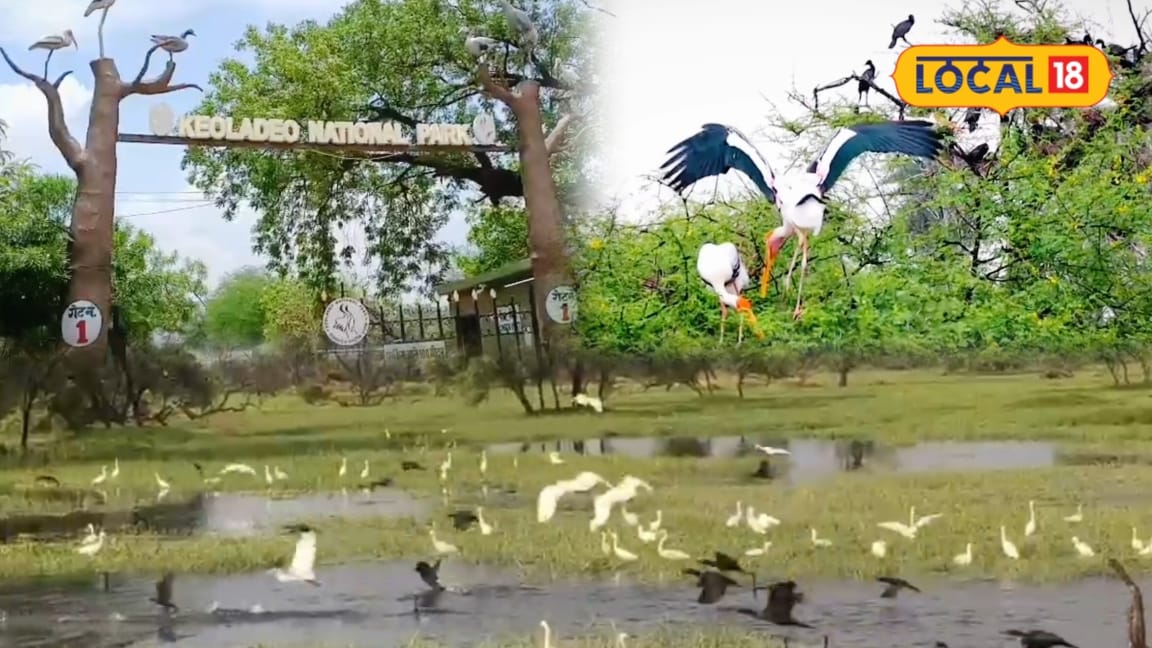
The much-awaited tourism season at the renowned Keoladeo National Park, located in Bharatpur, has officially commenced, bringing a fresh wave of excitement to conservationists, local businesses, and travel enthusiasts alike. This internationally acclaimed wetland sanctuary is witnessing a vibrant transformation as its resident and migratory avian populations begin their seasonal routines. The atmosphere inside the protected sanctuary has become markedly lively with the arrival of enthusiasts eager to witness the rich biodiversity that this habitat consistently offers year after year.
Historically recognized as one of the world's most important heronries and bird-breeding grounds, Keoladeo National Park holds profound ecological significance. The ecosystem within the park supports a vast array of flora and fauna, providing an ideal breeding and feeding ground for numerous species. Over decades, meticulous conservation efforts and natural wetland management have preserved this sanctuary as a prime destination for ornithologists and nature lovers from across the globe, establishing its legacy as a sanctuary of immense ecological value.
As the current season unfolds, the primary highlight within the park is the extensive activity of painted storks. These magnificent birds have actively started building their nests and establishing their breeding colonies across the tall trees of the park. This crucial biological phase not only enhances the scenic appeal of the landscape but also serves as a major attraction for visitors. The visible congregation of painted storks signifies a robust breeding cycle, drawing considerable attention from wildlife enthusiasts who monitor these natural patterns closely.
The influx of visitors has steadily increased, bringing renewed economic activity and vitality to the region. Wildlife photographers frequent the park in large numbers, strategically positioning themselves to capture the intricate nesting rituals, feeding behaviors, and dynamic interactions of the painted storks through their lenses. The presence of these dedicated professionals and casual nature lovers underscores the park's status as a premier hub for wildlife photography and ecological education.
Beyond photography, the tourism framework within Keoladeo National Park offers sustainable and eco-friendly exploration methods for all visitors. Tourists immerse themselves in the tranquil environment by utilizing bicycles, traditional cycle rickshaws, and walking trails. These non-motorized modes of transport ensure that the delicate acoustic and physical environment of the sanctuary remains undisturbed, allowing guests to observe the birds from a respectful and immersive distance without causing any stress to the nesting colonies.
Park authorities and local administrative bodies maintain rigorous oversight to ensure that tourism activities harmonize seamlessly with wildlife conservation priorities. Measures are systematically implemented to regulate visitor movement, maintain pathway integrity, and safeguard the breeding colonies of painted storks from any potential disruptions. Such administrative diligence guarantees that the ecological balance of the national park is strictly preserved while simultaneously accommodating the seasonal surge in tourism.
Looking ahead, the ongoing tourism season is expected to witness sustained growth in visitor numbers as the nesting activities of the painted storks progress into subsequent developmental stages. Conservationists and tourism stakeholders remain optimistic that this season will further highlight the ecological importance of Keoladeo National Park. Continued cooperation between wildlife management teams and the visiting public will undoubtedly ensure the long-term protection of this vital natural heritage site in Bharatpur.
