
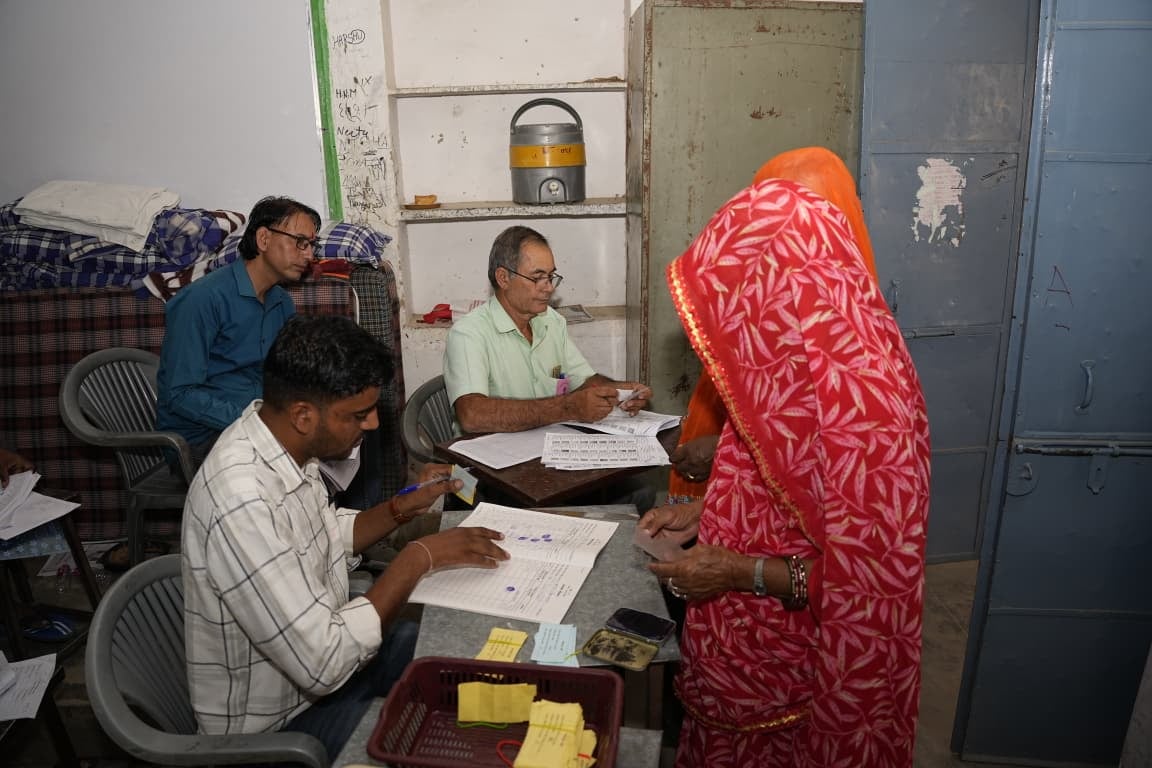
Voting for the crucial second phase of the Panch-Sarpanch elections has officially commenced in Rajasthan, marking a significant milestone in the grassroots democratic process of the state. Citizens across twenty-two districts are actively stepping forward to exercise their franchise in thousands of village councils. This extensive electoral exercise serves as the foundational bedrock of local self-governance, directly empowering rural communities to choose their local representatives.
The historical evolution of Panchayati Raj institutions in Rajasthan holds profound significance, as the state was among the pioneers in implementing democratic decentralization in India. Over successive decades, these rural local bodies have transformed into vital organs of grassroots planning, development, and social welfare distribution. The ongoing elections represent the continuation of this democratic tradition, reinforcing the constitutional mandate of decentralized power distribution at the village level.
On the ground, administrative preparations and logistical deployments have been intensified to handle the mammoth electoral exercise. Across the designated regions, 3,626 village councils are witnessing polling activity today, engaging millions of rural voters. A staggering 21,839 candidates are locked in competitive electoral battles for the coveted position of Sarpanch alone, reflecting high political enthusiasm and deep engagement among local leadership aspirants.
Local stakeholders, community leaders, and elder citizens have expressed profound optimism regarding the peaceful and enthusiastic participation of the rural electorate. Observers note that local elections often ignite intense community discussions regarding development priorities, infrastructure improvements, and transparent utilization of public funds. Candidates are spending intense hours campaigning right up to the final moments, addressing local concerns regarding water scarcity, road connectivity, and sanitation.
The broader regional impact of these elections extends deeply into the socio-economic fabric of local districts, influencing community development trajectories for years to come. Elected Sarpanchs wield considerable authority over local developmental budgets, implementation of central and state welfare schemes, and resolution of minor civil disputes. Consequently, rural households view this democratic exercise not merely as a political ritual, but as a direct instrument for socio-economic transformation.
To ensure absolute fairness, transparency, and law and order, administrative authorities have mobilized robust security frameworks across all polling stations. District election officers, heavy police contingents, and micro-observers have been deployed to monitor sensitive booths and deter any potential malpractices. Officials have emphasized that strict adherence to election guidelines is being enforced to maintain the sanctity of the democratic process.
Looking ahead, as polling concludes in this phase, attention will immediately shift toward the secure storage of ballot boxes, counting protocols, and the declaration of final results. The conclusion of this extensive electoral phase will pave the way for the constitution of new village executive bodies, setting the administrative agenda for rural governance in the coming term. Public expectations remain high for accountable leadership and accelerated rural infrastructure development.
