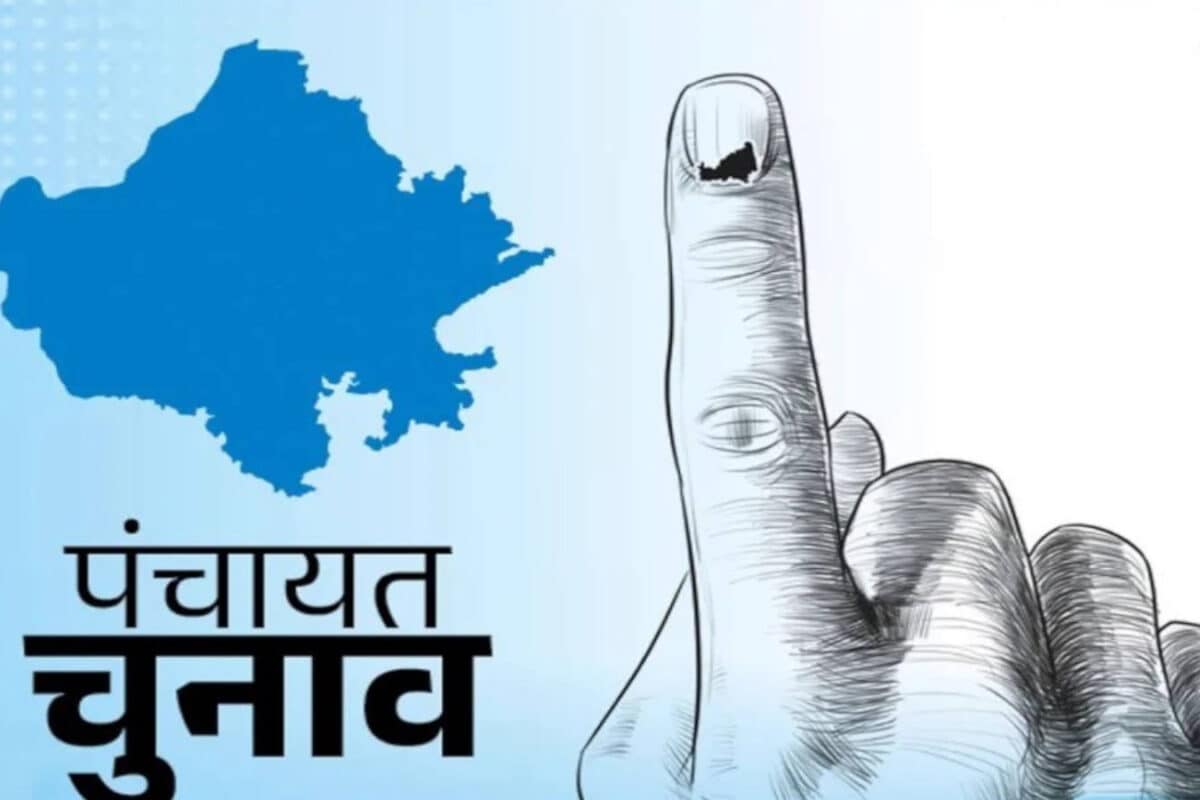
The political landscape of Rajasthan is bracing for a high-stakes electoral showdown as the state prepares for the crucial Panchayat Raj Elections scheduled for the year 2026. Having established a commanding momentum through successive triumphs in the recent municipal body elections, the Bharatiya Janata Party is now aggressively realigning its organizational apparatus to replicate this electoral success at the grassroots level. Campaigning activities and strategic outreach programs have already been initiated with notable vigor across various districts, signaling an intense political contest ahead.
Historically, the conventional political narrative within the state has designated the urban centers as the foundational core voter base for the Bharatiya Janata Party, while traditionally viewing the expansive rural hinterlands as a secure stronghold for the Indian National Congress. This entrenched political segregation has historically dictated the electoral outcomes across the region, making rural governance institutions the ultimate battleground for ideological and electoral supremacy. Consequently, the upcoming panchayat elections carry immense symbolic and practical weight for both major political organizations.
Energized thoroughly by their commendable performance and victories in the urban local bodies, the leadership and cadres of the Bharatiya Janata Party now confront their most critical political trial in the form of these upcoming rural elections. Far beyond routine administrative polls, these elections serve as an absolute barometer to measure the penetration, acceptance, and efficacy of the ruling party's policies among rural constituents, farmers, and village communities who form the vast demographic majority of the state.
On the opposite side of the political spectrum, the Indian National Congress views the upcoming panchayat polls as an indispensable opportunity to reverse its recent electoral fortunes and avenge its disappointing defeats in the urban municipal contests. Party strategists, grassroots workers, and regional leaders are leaving no stone unturned in their preparations, aiming to re-establish absolute dominance over rural local governance structures and mobilize traditional support networks.
Political analysts and veteran observers across the state concur that the outcomes generated by these rural elections will transcend immediate administrative boundaries. They are widely projected to act as the definitive structural foundation and precursor for the upcoming assembly elections, establishing the psychological and numerical momentum required for broader state-level political dominance over the coming years.
As election preparations intensify, administrative bodies and local election machinery are reviewing statutory arrangements, voter list revisions, and logistical security frameworks to ensure a fair, transparent, and peaceful electoral process. District administrations across various rural divisions are formulating comprehensive protocols to manage the massive voter turnout anticipated during the polling phases, maintaining strict adherence to statutory guidelines.
Ultimately, the Rajasthan Panchayat Elections of 2026 will determine whether the ruling party can successfully bridge the urban-rural political divide or if the opposition Congress can leverage its rural connections to alter the state's political trajectory. The political future of both major parties hangs in the balance as villages across the state prepare to cast their definitive verdict.