
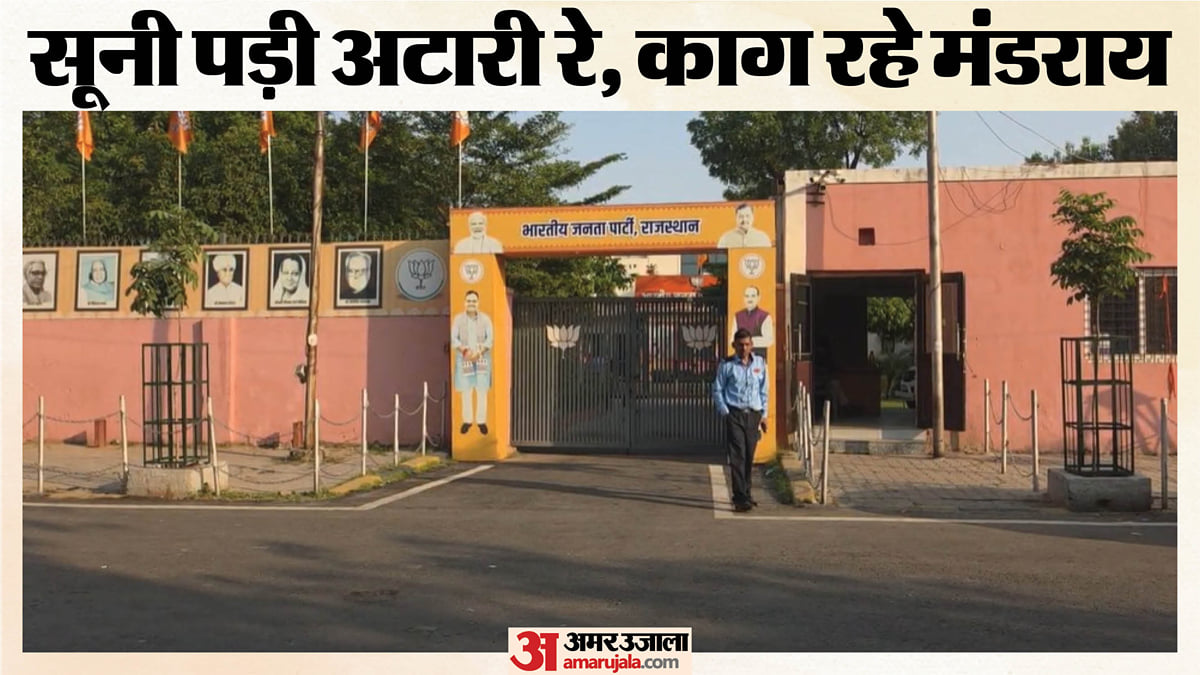
The recent panchayat elections in Rajasthan have delivered a startling political jolt, prompting immediate and intense introspection within the Bharatiya Janata Party (BJP) ranks. Following a crushing defeat that disrupted the expected political narrative, the central party headquarters in Delhi has officially sought a comprehensive report regarding the electoral setbacks. This directive has galvanized both the governmental machinery and the party organization into immediate, high-level consultations to diagnose the underlying causes of the reversal.
Historically, panchayat and grassroots elections serve as crucial barometers of rural sentiment and organizational strength at the grassroots level. The unexpected outcome in Rajasthan has consequently raised critical questions among political analysts and party strategists alike. The friction or disconnect between expectations and the ground reality has necessitated a thorough retrospective review of how party policies and organizational coordination operated leading up to the polls.
In response to the directives from Delhi, party functionaries at various levels are meticulously gathering data and constituency-wise feedback to map out the exact contours of the defeat. While specific statistical aggregates are continuously being compiled by internal committees, the overarching focus remains on understanding why the electoral machinery faltered in key rural sectors. The convergence of governmental representatives and organizational leaders is aimed at leaving no stone unturned in preparing an accurate, fact-based assessment for the high command.
As deliberations intensify, stakeholders from various wings of the party are engaging in candid dialogues behind closed doors. Grassroots workers and district-level cadres are expressing their perspectives on local governance dynamics, administrative coordination, and public sentiment. These stakeholder inputs form a critical component of the report being prepared for dispatch to Delhi, ensuring that the central leadership receives an unfiltered and realistic appraisal of the ground situation.
Within regional pockets such as the Kotputli-Behror district, the local socio-political landscape has experienced a palpable ripple effect following the election results. Local communities, traders, and rural inhabitants are keenly observing how political entities are responding to these electoral shifts. The regional implications extend beyond mere vote counts, directly touching upon local development priorities, administrative responsiveness, and the ongoing dialogue between the populace and elected representatives.
On the administrative and organizational front, concerted efforts are now underway to bridge any identified communication gaps and rectify operational lapses. The joint meetings between government officials and party organizers are designed to foster better synergy and institutional accountability. By reviewing statutory procedures and execution timelines, the leadership aims to restore administrative efficiency and regain the trust of the rural populace in the aftermath of the panchayat setbacks.
Looking ahead, the submission of the mandated report to Delhi is expected to set the stage for structural overhauls and strategic realignments within the Rajasthan unit. The upcoming weeks will likely witness targeted corrective measures, renewed outreach programs, and intensified preparations for future political milestones. Both the government and the organization remain committed to addressing the structural weaknesses exposed by the panchayat elections, setting a disciplined roadmap for the future.
