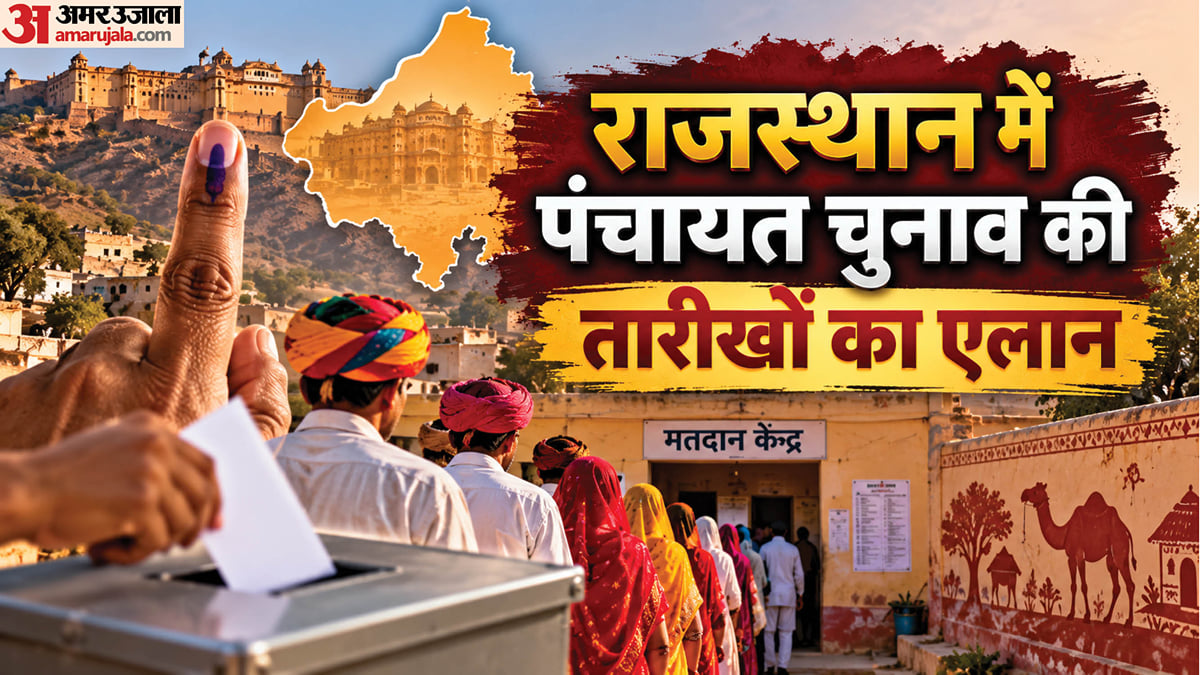
In a major development for grassroots democracy in Rajasthan, the State Election Commission has officially announced the schedule for the long-awaited Panchayat elections. The upcoming electoral exercise is set to encompass a staggering 14,403 village panchayats across the state, marking one of the largest administrative mobilizations in recent times. As the administrative machinery swings into high gear, political parties and prospective candidates have intensified their preparations to contest across rural constituencies.
The electoral calendar issued by the commission outlines a comprehensive four-phase polling structure designed to ensure smooth execution, adequate security deployment, and meticulous logistical management. Historically, Panchayat elections in Rajasthan serve as the bedrock of local self-governance, directly influencing rural development policies, agricultural resource allocation, and infrastructural advancements at the village level. This year's election cycle carries immense historical weight as rural communities seek robust leadership to address ongoing developmental challenges.
According to the official data released by the election authorities, an enormous voter base of 4.03 crore citizens is eligible to cast their ballots in these panchayat polls. This massive electorate reflects the expanding demographic footprint and civic awareness across rural Rajasthan. Polling stations are being meticulously prepared with necessary infrastructure, accessibility measures, and electronic voting mechanisms or ballot arrangements to accommodate millions of voters over the course of the four designated phases leading up to November 14.
Various community leaders, local representatives, and rural stakeholders have expressed profound optimism regarding the democratic fervor surrounding the upcoming elections. Farmers, small business owners, and local artisans view these polls as a vital instrument to elect accountable leadership that can effectively channel government welfare schemes and funds down to the grass roots. Discussions in village chaupals now predominantly revolve around local development, transparency, and the need for responsive administration.
The impact of these panchayat elections is particularly profound for regions surrounding districts like Kotputli-Behror, where agrarian economies and rural trade heavily depend on the efficacy of local bodies. Local markets and community networks anticipate heightened economic activity as campaign expenditures and administrative preparations stimulate the regional economy. Furthermore, the outcomes of these polls will dictate the pace of rural infrastructure projects, sanitation drives, and educational initiatives in peripheral settlements.
To ensure absolute fairness, transparency, and adherence to the model code of conduct, the State Election Commission has deployed comprehensive administrative oversight mechanisms. District administrations across the state have been directed to maintain strict vigilance, prevent electoral malpractices, and facilitate a secure environment for voters and candidates alike. Special training sessions for polling personnel are currently underway to guarantee flawless execution on the designated voting days.
Looking ahead, the electoral timeline reaches its crucial climax with voting concluding across the four phases by November 14, paving the way for the ultimate day of reckoning. The entire state will turn its attention toward the designated counting centers on November 20, when the final results will be officially declared. As campaigns gather unprecedented momentum in the coming days, the citizens of Rajasthan stand ready to exercise their constitutional franchise and shape the future of rural governance.