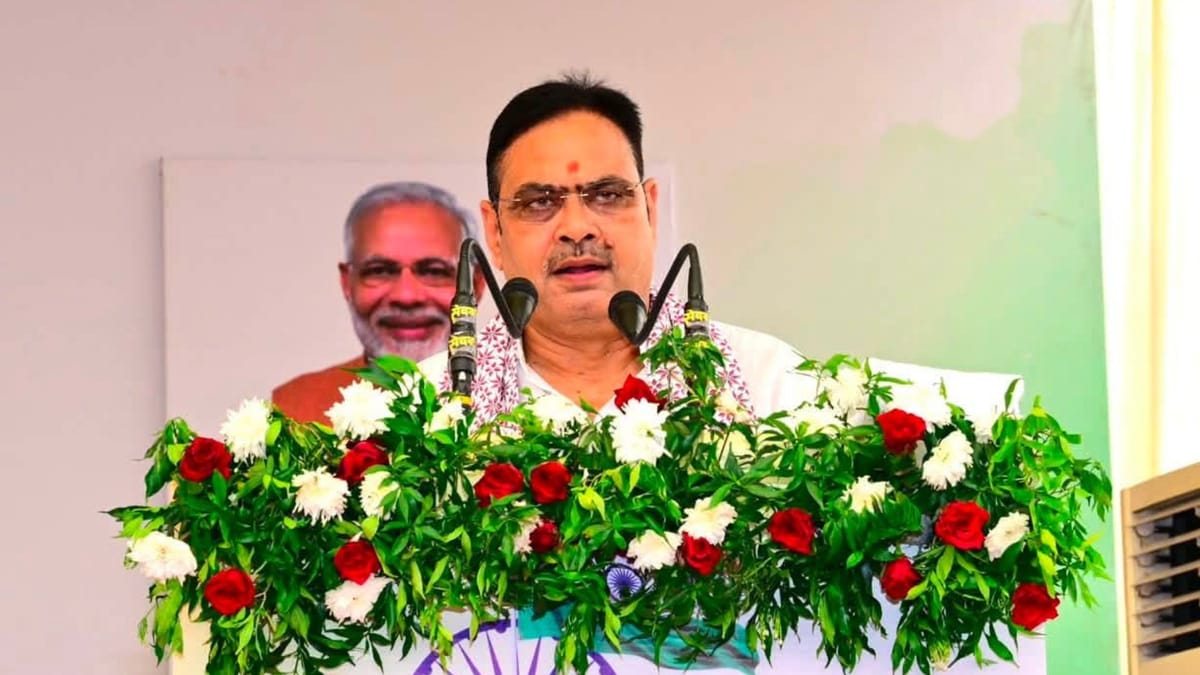
In a landmark event emphasizing women empowerment and grassroots welfare, Chief Minister Bhajanlal Sharma formally handed over the keys to houses and vehicles to various women beneficiaries during a major conference held in Jaipur, Rajasthan. The ceremony marked a significant milestone in the state administration's ongoing efforts to ensure socio-economic independence and security for women across the region. By directly involving beneficiaries in institutional housing and mobility initiatives, the government aims to foster long-term prosperity and dignity within households.
The overarching framework of this initiative stems from continuous administrative efforts to streamline welfare delivery and eliminate intermediaries through digital governance. Over recent years, the state has prioritized the institutional strengthening of marginalized communities, ensuring that developmental policies transcend bureaucratic hurdles. This latest conference in Jaipur serves as a strategic extension of those foundational welfare policies, designed systematically to uplift female leadership and economic participation across urban and rural landscapes alike.
A critical highlight of the day's proceedings involved the seamless execution of financial transactions amounting to crores of rupees, which were transferred directly into the bank accounts of eligible beneficiaries through the Direct Benefit Transfer (DBT) mechanism. This transparent digital transfer ensures absolute accountability, minimizing institutional leakages and guaranteeing that allocated funds reach the rightful recipients without delay. The inclusion of tangible assets such as residential housing keys and commercial or personal vehicle keys further complements these financial infusions, creating a comprehensive package of empowerment.
Addressing the massive gathering of attendees, officials, and beneficiaries, Chief Minister Bhajanlal Sharma reiterated the administration's core philosophy of prioritizing ground-level execution over mere rhetorical announcements. The leadership emphasized that true democratic governance is measured exclusively by visible, impactful changes experienced by ordinary citizens at the grassroots level. Stakeholders and community representatives present at the venue expressed optimism regarding the potential long-term benefits of these structured asset distributions.
The regional reverberations of this Jaipur conference extend significantly toward districts such as Kotputli-Behror, where local administrative units are actively aligning their developmental agendas with state-level directives. Citizens and local merchant communities within the region anticipate that the enhanced liquidity and asset ownership among women will stimulate local economic activity, boosting household consumption and small-scale entrepreneurial ventures. This interconnected economic growth model relies heavily on sustained state patronage and efficient local administration.
Administrative oversight remains a paramount priority as the state government moves forward with the implementation phase of these expansive welfare schemes. District authorities and departmental heads have been instructed to maintain rigorous monitoring protocols to ensure that all promised infrastructural and financial supports are delivered within stipulated timeframes. Transparent reporting mechanisms have been established to address grievances and facilitate smooth coordination between state ministries and local beneficiaries.
Looking ahead, the state administration intends to scale up similar empowerment conclaves across various other districts to maximize outreach and ensure saturation of welfare benefits. Public expectations remain high as citizens await the rollout of subsequent phases of financial assistance and infrastructural allocations. Through sustained commitment to transparent governance and tangible grassroots execution, the government aims to cement a legacy of inclusive and participatory development across Rajasthan.