
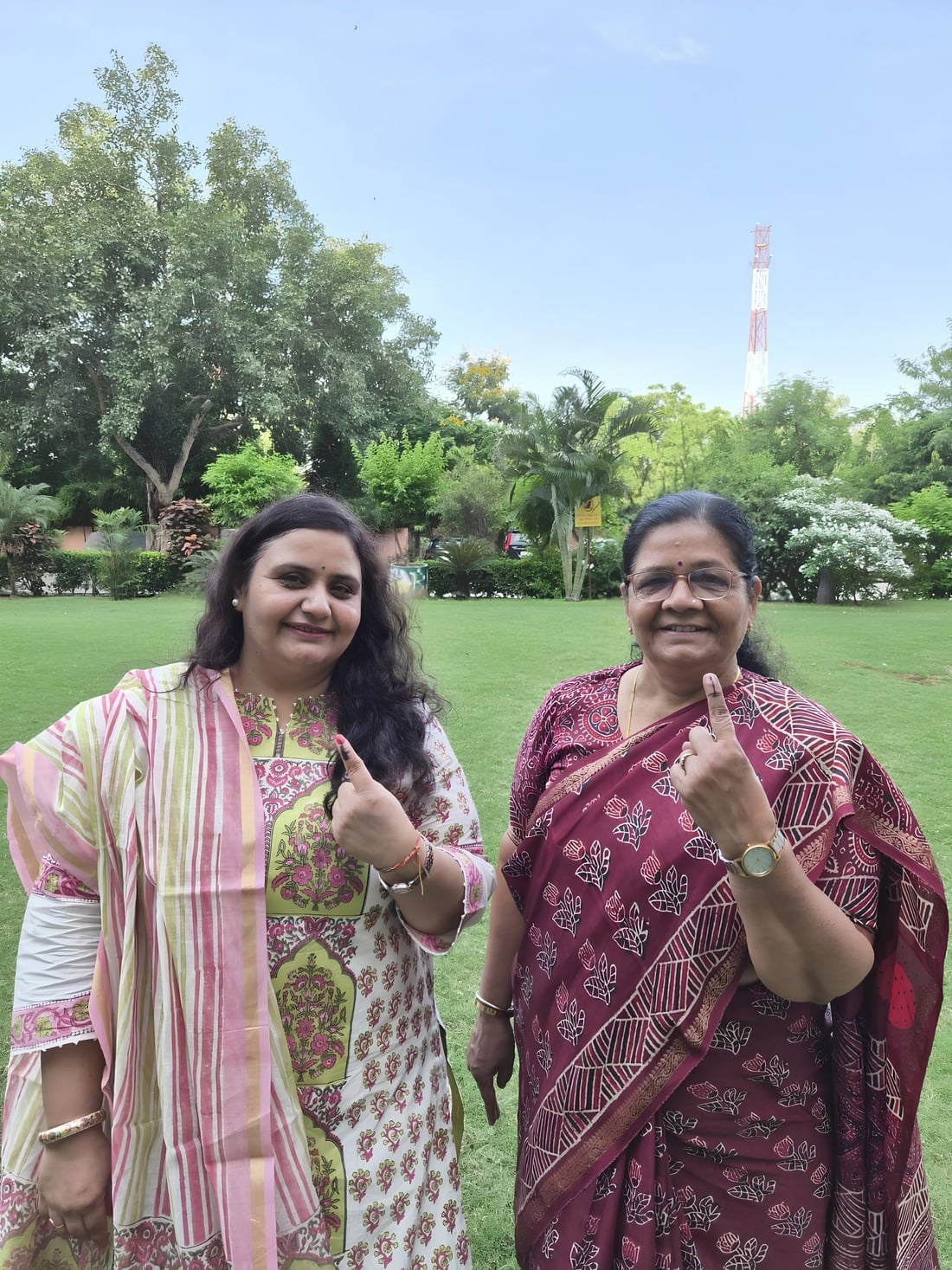
Rajasthan is witnessing a monumental day for local governance as the second phase of the extensive municipal elections commences across the state. A massive electorate comprising more than 87 lakh voters has headed to various polling stations to exercise their democratic franchise. This crucial electoral exercise covers a total of 147 municipal bodies, highlighting the sheer scale and administrative complexity of the ongoing democratic process in the region.
A notable highlight of this democratic exercise is the inclusion of 40 newly formed urban bodies that are participating in the electoral process for the very first time. The transition of these newly established administrative units into fully functional democratic setups marks a significant milestone in the grassroots governance of Rajasthan, offering local populations direct representation in civic administration.
Prominent political figures and constitutional authorities are leading by example on this election day. Chief Minister Bhajanlal, Governor Bagde, and Deputy Chief Minister Diya are casting their votes at their respective designated polling booths. Their active participation underscores the immense importance attached to local body elections in shaping the foundational infrastructure of state politics and civic development.
The administrative machinery across the participating districts has been placed on high alert to ensure a free, fair, and transparent voting process. Election officials have deployed adequate security personnel and electronic voting machines across all designated polling centers within the 147 urban bodies to prevent any untoward incidents and to assist elderly and disabled voters.
Local governance experts and political observers note that these municipal elections carry profound implications for urban development, sanitation management, and infrastructural funding across Rajasthan. The outcome in the newly formed 40 bodies will particularly set a precedent for future urban planning and civic resource allocation in expanding municipal jurisdictions.
Citizens across the participating urban areas have shown considerable enthusiasm since the morning hours, queuing up outside polling booths to elect their local representatives. The rigorous campaigning conducted over the past few weeks by various political parties and independent candidates has culminated in this high-stakes electoral showdown.
As the voting concludes, attention will swiftly shift toward the counting of ballots and the subsequent formation of local civic boards. The successful execution of this massive electoral phase reinforces the enduring strength of grassroots democracy in Rajasthan, paving the way for empowered local leadership.