
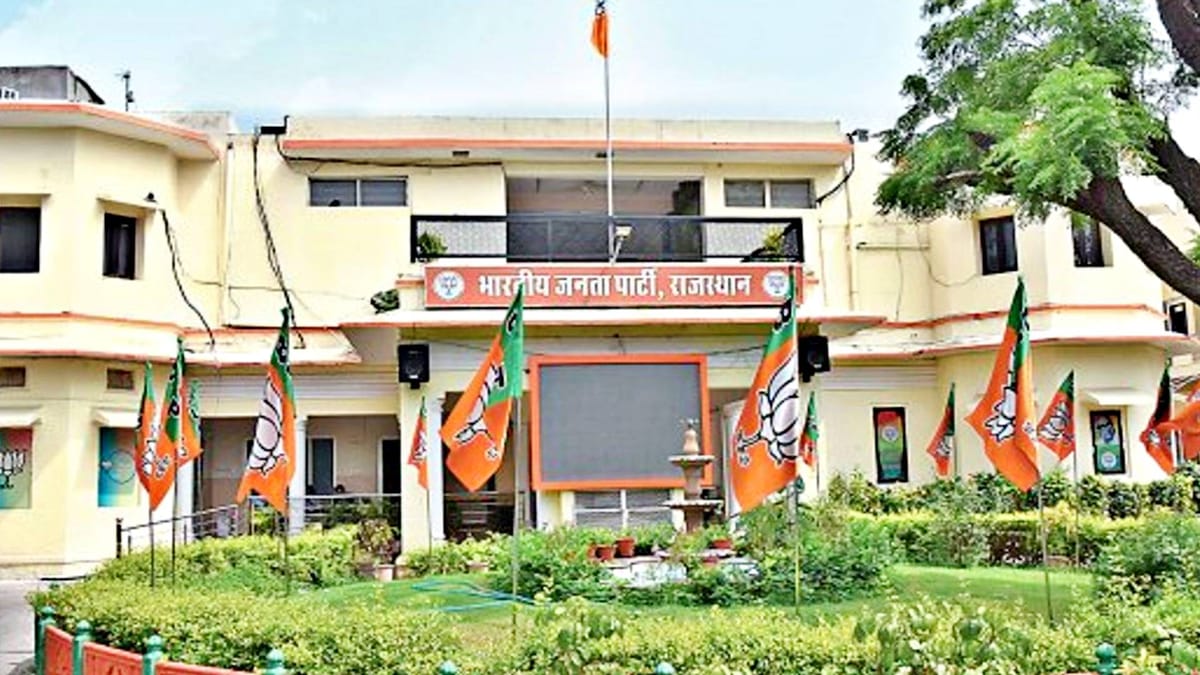
In the wake of the recent municipal elections across Rajasthan, the Bharatiya Janata Party has emerged victorious in establishing a significant number of municipal boards throughout the state. This overarching electoral success has naturally brought moments of celebration and political momentum to the party ranks in various administrative districts.
Despite the widespread formation of boards, an intricate analysis of the grassroots results has revealed unexpected vulnerabilities within specific political territories. Several key assembly segments overseen by prominent state ministers failed to deliver the expected positive electoral outcomes for the party organization.
This discrepancy between the overall state-level success and localized reverses has prompted the higher echelons of the party apparatus to take immediate note. The leadership is closely examining the precise numbers and ward-level margins where the party faced setbacks, seeking to understand the exact mechanics of these localized losses.
Political analysts and party functionaries have begun debating the underlying factors that contributed to these unexpected gaps in ministerial strongholds. Discussions within political circles emphasize the necessity of absolute alignment between administrative responsibilities and grassroots party mobilization.
For regions such as Kotputli-Behror and surrounding areas, local political stakeholders and community members are keenly observing these developments. The outcome of local civic elections directly influences grassroots governance, civic amenities, and developmental priorities within the district.
In response to these localized setbacks, the administrative and organizational machinery of the party has initiated formal investigative steps. Mechanisms are being established to evaluate administrative efficiency and organizational reach at the most granular level possible.
Looking ahead, the party organization has officially announced a rigorous assembly-wise review of electoral performance across Rajasthan. This upcoming evaluation is expected to set strict accountability parameters, ensuring that future political and administrative strategies are thoroughly realigned before upcoming electoral milestones.