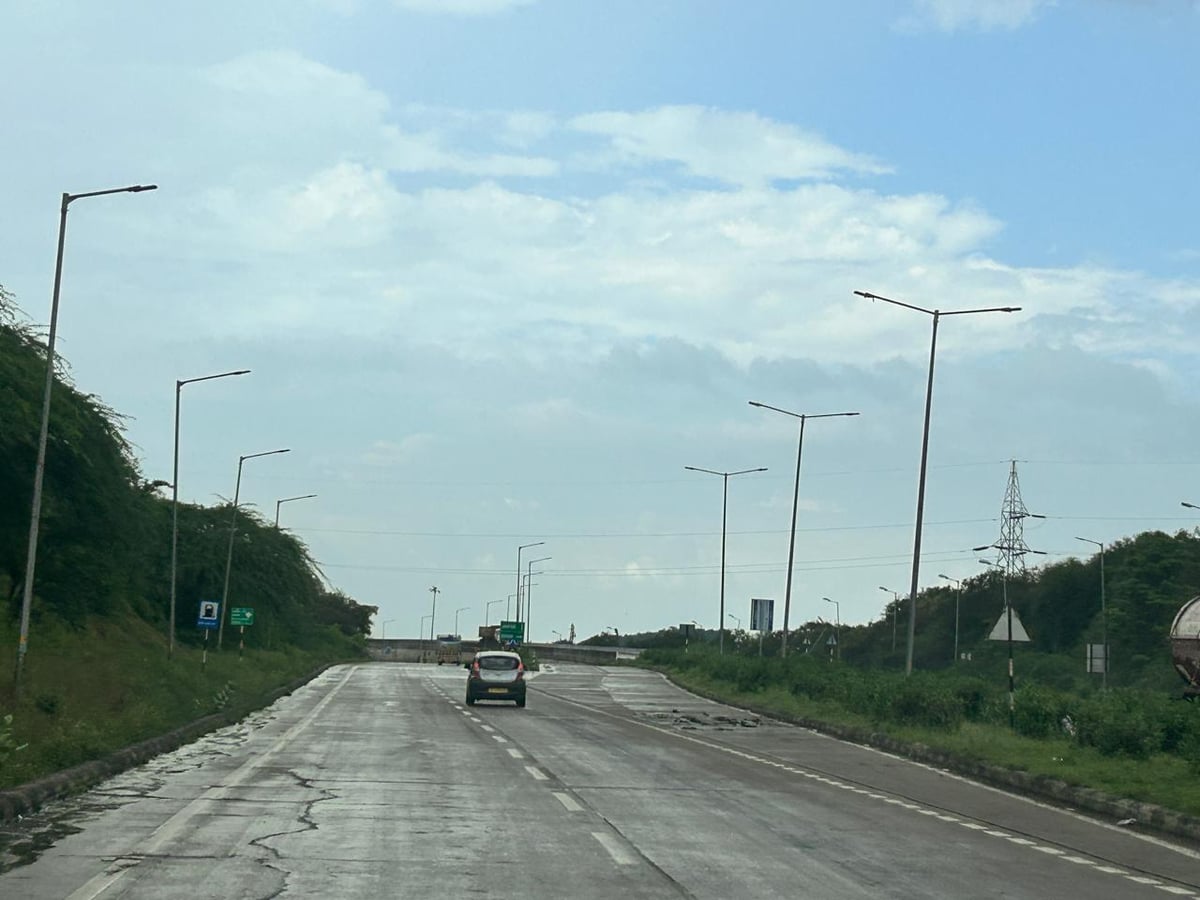
Rajasthan is currently experiencing a notable meteorological transition as an active western disturbance influences atmospheric conditions across the state. Meteorological authorities have officially issued a yellow alert for rainfall spanning six districts, signaling an immediate shift in weather patterns that requires vigilance from local populations and administrative bodies alike. This sudden climatic fluctuation highlights the ongoing vulnerability of the region to shifting atmospheric phenomena during this transitional period of the year.
Historically, the arrival of western disturbances in Rajasthan often brings unpredictable weather alterations, impacting both agrarian schedules and urban daily routines. These regional weather systems originate from the Mediterranean region, traversing across West Asia before bringing moisture-laden winds to northwestern India. The current atmospheric setup mirrors past seasonal transitions, where rapid shifts from dry spells to sudden precipitation events test local infrastructure and agricultural preparedness.
Ground realities across the six designated districts reflect a state of alertness among local residents, agricultural workers, and commercial enterprises. The specific statistical parameters guiding this meteorological advisory involve six distinct districts under the immediate yellow alert zone. Agricultural communities are observing these weather developments with cautious attention, as unseasonal precipitation can profoundly influence ongoing harvest activities, crop storage security, and overall market supply chains within the local economy.
Local stakeholders, including farmers, traders, and civic representatives, have expressed mixed reactions regarding the sudden meteorological advisory. While agricultural experts note that targeted moisture can occasionally benefit specific late-season sowings, local farmers voice immediate concerns regarding the protection of harvested crops left in open yards. Traders in regional markets are closely monitoring transport logistics to prevent weather-related transit delays, ensuring that commercial operations proceed smoothly despite the changing atmospheric conditions.
The regional impact of this weather advisory extends directly toward the surrounding areas, including the broader administrative zones that encompass communities connected to the regional weather grid. Local infrastructure faces standard seasonal testing as sudden downpours can potentially cause localized waterlogging and temporary disruptions in civic services. Community leaders and local governing bodies are urging residents to remain informed through official meteorological channels to mitigate any potential inconveniences caused by the weather shift.
Administrative machinery and disaster management units across the affected districts have maintained a proactive stance following the issuance of the meteorological alert. Local authorities are coordinating with district disaster response teams to ensure readiness for any localized emergencies resulting from heavy downpours or gusty winds. Municipal bodies have been instructed to clear drainage networks and review emergency protocols to safeguard public safety and maintain uninterrupted civic functionality.
Looking ahead, meteorological models indicate that the current phase of atmospheric instability will soon be followed by another weather system scheduled to arrive around October 13. This upcoming system is categorized as a weak disturbance, yet it is projected to induce light rainfall across specific sectors of the Bikaner division and the Shekhawati region. Officials advise the public to stay updated with daily weather forecasts and adhere to safety advisories as the state transitions through these successive meteorological phases.