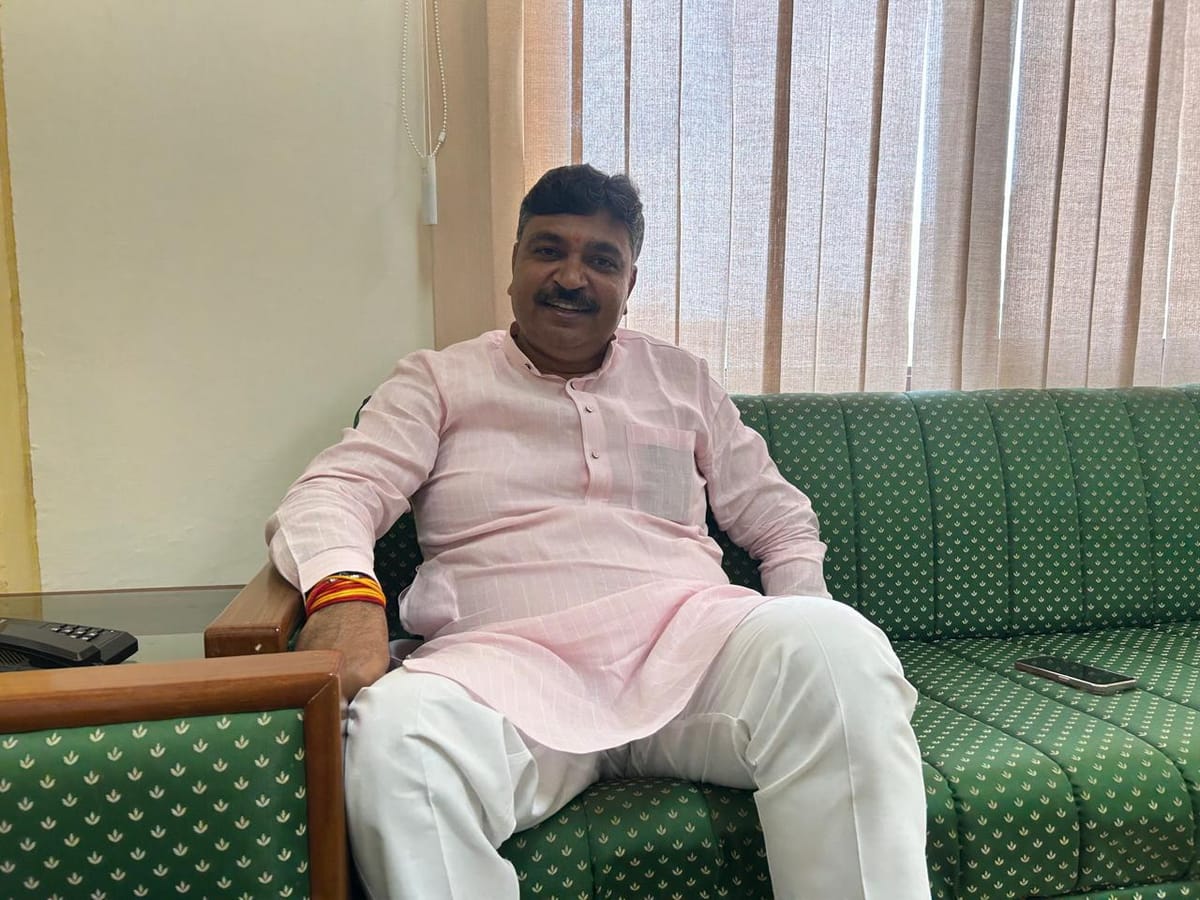
In a significant political development concerning the state of Rajasthan, Leader of Opposition Tikaram Jully has launched a major allegation against the ruling government regarding the impending panchayat elections. According to the statements made by the opposition leader, the government machinery has been actively engaged in gathering detailed information and lists concerning prospective candidates who intend to contest the local self-government polls at various tiers.
The unfolding scenario brings to light the deep-seated political tensions surrounding local governance elections in Rajasthan. Historically, panchayat and municipal elections serve as the foundational bedrock of grassroots democracy in India, where local leadership dictates community development, fund allocation, and rural infrastructure projects. The involvement of administrative channels in compiling political dossiers has consequently drawn sharp scrutiny from political opponents and governance watchdogs alike.
At the center of this controversy are the crucial positions that dictate rural administration across the districts of Rajasthan, including the coveted posts of Zila Pramukh, Pradhan, Zila Parishad members, and Panchayat Samiti members. The systematic collection of candidate viability data at this preliminary stage has raised critical questions regarding the intended transparency and equitable playing field that must be maintained by state-backed institutions during democratic exercises.
Political analysts and local stakeholders have expressed mixed reactions to these assertions, highlighting the delicate balance between administrative preparedness and political interference. While executive departments routinely conduct preparatory assessments for large-scale logistical rollouts, opposition figures argue that compiling specific lists of potential candidates transcends routine administrative duties and infringes upon the autonomous nature of democratic contestation.
Within the newly established regional contexts, including the Kotputli-Behror district, local political observers and community representatives are closely monitoring these developments. The implications of state-level administrative directives often trickle down to district headquarters, influencing local panchayat dynamics, community alliances, and the preparatory strategies of grassroots political workers aspiring for rural leadership roles.
As these allegations reverberate through political circles, administrative authorities and departmental spokespersons face mounting pressure to clarify the scope and intent behind data collection drives related to rural bodies. Ensuring strict adherence to electoral protocols and maintaining institutional integrity remains paramount for upholding public trust in the democratic framework governing the state of Rajasthan.
Looking ahead, the ongoing discourse surrounding the panchayat elections is expected to intensify as political parties gear up for formal electoral battles. The outcome of these allegations and the subsequent administrative clarifications will undoubtedly shape the political narrative, legislative debates, and the strategic maneuvering of all political factions operating within the rural landscape of Rajasthan in the coming months.