
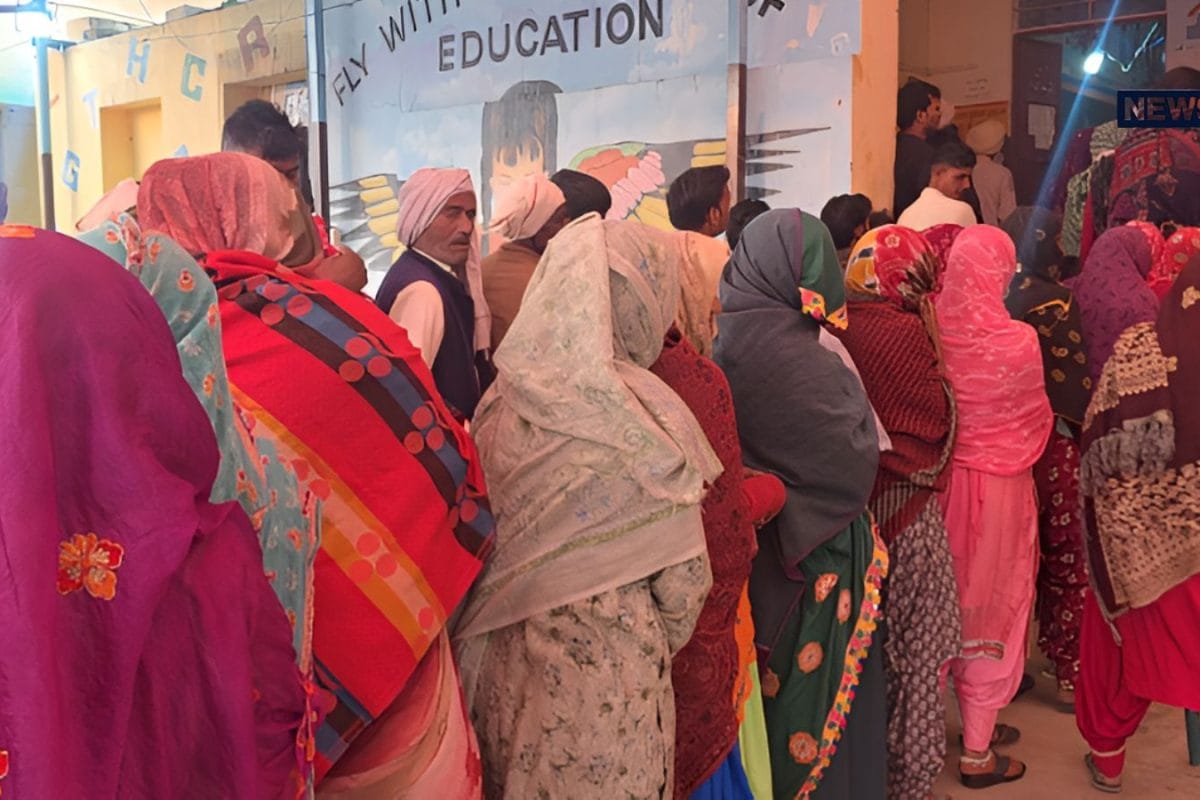
The democratic landscape of the Alwar district in Rajasthan has recently transformed into a stage for a remarkably uncommon political spectacle. Within the jurisdiction of the Umarain Panchayat Samiti, the ongoing electoral battle for the esteemed position of Sarpanch in the Sahodi Gram Panchayat has emerged as the prime talking point across the region. Local elections traditionally witness intense competition between rival political factions and different community leaders; however, this particular contest has redefined the very boundaries of political rivalry by bringing familial relations directly into the electoral arena.
Delving into the background of grassroots democracy in this rural pocket, local administrative observers note that village-level elections often carry deep personal stakes. Gram panchayat elections serve as the foundational bedrock of India's democratic framework, where local issues, community leadership, and familial influence dictate the momentum of campaigns. In Sahodi Gram Panchayat, this dynamic has escalated into a rare configuration where blood ties and marital bonds have taken a backseat to political aspirations, creating a unique historical chapter in local governance.
A rigorous examination of the electoral entries reveals specific quantitative dimensions regarding this contest. Out of the various aspirants who filed their nominations, a definitive total of 5 candidates have officially qualified and entered the electoral fray for the singular position of Sarpanch. This restricted yet intensely contested field of five candidates magnifies the statistical probability of dramatic upsets, ensuring that every single vote cast by the registered electorate will carry profound significance in determining the eventual winner of the democratic mandate.
The complexity of the contest deepens significantly when analyzing the specific pairings within the candidate list. In an astonishing twist that has confounded political analysts and local residents alike, Vijay Singh finds himself locked in a direct electoral duel against his own wife, Lalita Devi. Adding to this domestic political drama, another prominent electoral clash features Jitendra Nat mounting a formidable challenge directly against his own father, Shiv Kumar. These unprecedented intra-household rivalries have effectively transformed living rooms into campaign war rooms, setting a fascinating precedent for political interactions within the locality.
The broader regional impact of this peculiar electoral dynamic extends far beyond the immediate boundaries of Sahodi Gram Panchayat, resonating deeply throughout the greater Alwar district and neighboring administrative zones like Kotputli-Behror. Village elders, community leaders, and local merchants are engaged in daily discussions regarding the ethical, social, and political ramifications of family members contesting against one another. Such unconventional electoral battles inevitably influence how communities perceive political ambition, loyalty, and collective decision-making at the grassroots level.
On the administrative front, local election authorities and district officials operating within the Alwar district framework have maintained strict neutrality while ensuring that the electoral process proceeds in a free, fair, and transparent manner. Standard operating procedures, security protocols, and logistical arrangements have been meticulously established by the Umarain Panchayat Samiti administration to manage the voting booths, verify candidate credentials, and maintain public order throughout the campaign and polling phases.
Looking ahead toward the culmination of this high-profile electoral contest, public expectations and community curiosity have reached a fever pitch. As the campaign trails draw to a close and voters prepare to cast their ballots, residents across Sahodi Gram Panchayat and the broader Alwar region await the final counting day with bated breath. The overarching question on everyone's mind remains unanswered: when the dust settles on this extraordinary family duel, exactly whose head will wear the coveted crown of victory?
