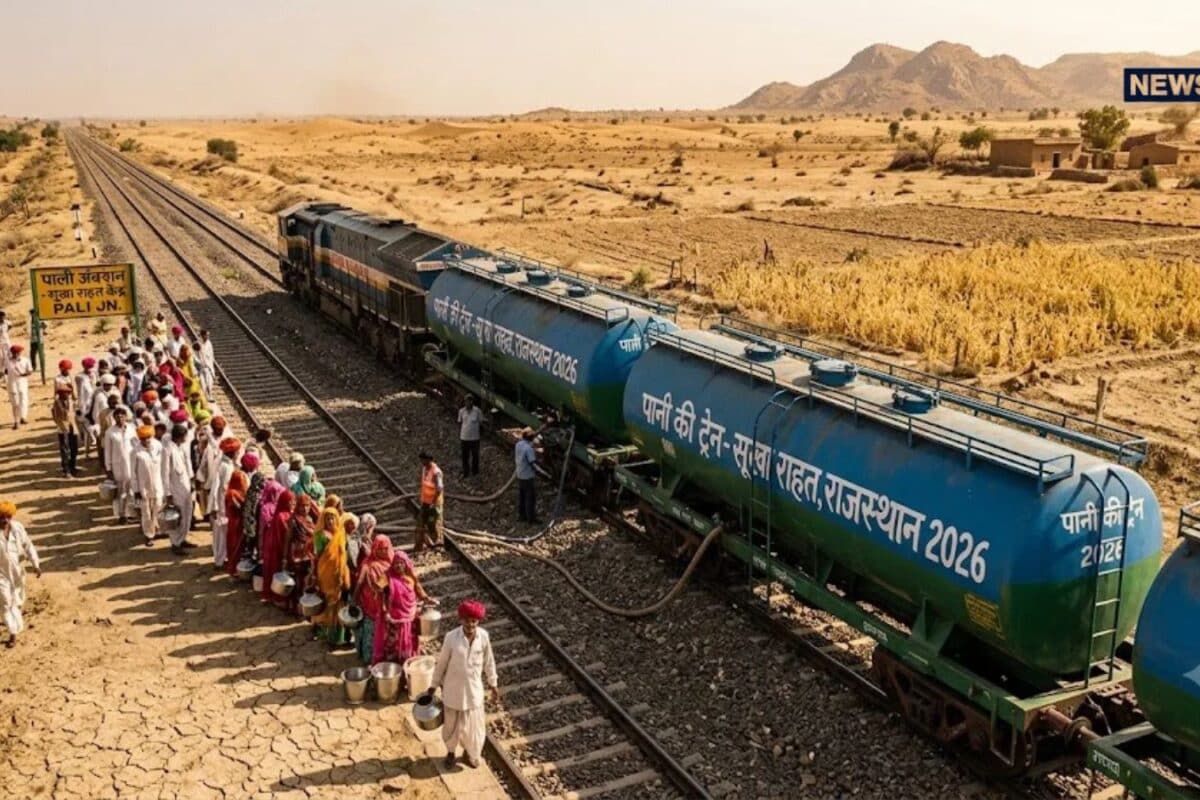
Rajasthan is currently grappling with one of the most severe drought crises in the past decade, triggered by an exceptionally weak monsoon season. The lack of adequate rainfall has severely disrupted the agrarian ecosystem and water availability across multiple regions, pushing vulnerable districts toward alarming scarcity conditions. Agricultural output has suffered extensive damage, raising widespread concerns among farming communities and administrative authorities alike.
The current meteorological distress echoes historical drought cycles in the desert state, where erratic rainfall patterns frequently threaten rural livelihoods. However, the intensity of this year's monsoon failure has outpaced typical seasonal deficits, plunging vast tracts of land into unprecedented dryness. Meteorological observations indicate a pervasive dry spell that has systematically drained water sources and parched agricultural lands.
According to ground reports and official evaluations, at least eleven districts in Rajasthan have fallen into the grip of this severe agricultural and hydrological drought. Among these, the districts of Pali, Jaisalmer, and Jalor have recorded the most catastrophic conditions, with rainfall plunging by up to fifty percent compared to normal seasonal averages. This drastic meteorological deficit has triggered immediate logistical and humanitarian challenges.
Local stakeholders, farmers, and administrative officials have expressed grave concern over the escalating crisis, noting that traditional water harvesting structures and local reservoirs have rapidly depleted. The scarcity of drinking water and agricultural irrigation has created immense distress, prompting discussions on emergency resource mobilization, including the potential deployment of water trains to severely affected areas like Pali.
The impact of this severe dry spell extends to regional economies, threatening the rural livelihoods of surrounding communities, including areas like Kotputli-Behror, where agricultural supply chains and livestock fodder availability are heavily dependent on seasonal stability. The imminent failure of the Kharif crop harvest is expected to exert severe inflationary pressure on essential commodities and animal feed.
In response to the escalating crisis, state administrative bodies and governmental agencies have initiated extensive relief operations to mitigate the hardships faced by citizens. Bureaucratic measures are currently underway to assess damage to agricultural fields, arrange alternative water supply logistics, and distribute fodder to prevent massive livestock mortality.
As the state navigates this critical period, administrative focus remains firmly on emergency water distribution and comprehensive agricultural relief. Authorities continue to monitor reservoir levels closely while formulating long-term mitigation strategies to sustain communities through the ongoing hydrological emergency.