
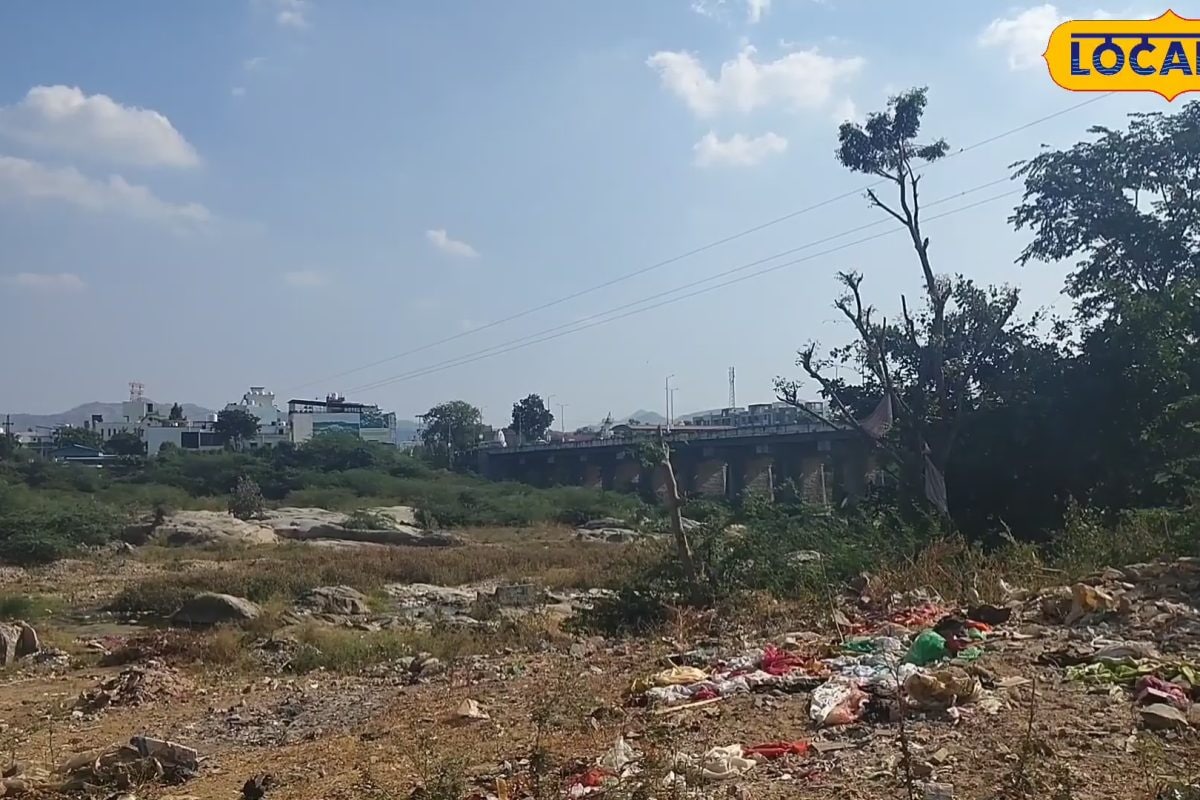
A comprehensive ground report from the Sirohi district highlights a grave environmental and ecological crisis unfolding along the West Banas River. Due to continuous neglect and severe administrative apathy, vital stretches of the river near the Abu Road urban area are rapidly transforming into an unregulated dumping yard. The systemic failure to manage urban refuse effectively has resulted in widespread environmental contamination along this crucial watercourse.
Historically, the West Banas River has served as a vital geographical and ecological asset for the region, supporting local flora, fauna, and water tables. However, over recent years, the lack of robust municipal waste management infrastructure has turned the riverbanks into open dumping grounds. The absence of strict monitoring and enforcement has emboldened illegal dumping practices, turning a natural lifeline into a site of severe ecological degradation.
The current ground reality reveals alarming quantities of waste accumulating directly within and along the riverbed. Visual assessments indicate massive mounds of debris containing mixed domestic waste, single-use plastics, and even decomposing dead animals. This hazardous accumulation not only obstructs natural water flows but also severely compromises the sanitary conditions of the surrounding neighborhoods, putting public health at risk.
Local residents and concerned citizens have repeatedly expressed deep anguish over the worsening environmental conditions. Community members point out that the situation has deteriorated significantly due to the complete lack of proactive intervention from local authorities. The unchecked dumping has transformed picturesque riverine stretches into foul-smelling garbage yards, alienating local populations who depend on a clean environment.
The regional impact of this unchecked pollution extends far beyond the immediate banks of the West Banas River. The accumulation and subsequent burning of massive waste piles generate dense, toxic smoke that engulfs nearby residential colonies. This hazardous smoke causes severe respiratory distress among local inhabitants, particularly children and the elderly, creating a persistent public health emergency in the area.
Despite repeated grievances raised by residents, administrative response and statutory oversight have remained sluggish. Local municipal bodies have failed to implement effective solid waste management protocols or establish secure containment sites away from natural water channels. The lack of stringent punitive measures against violators has allowed this environmental hazard to persist unchecked for an extended period.
Looking ahead, environmental experts and local communities demand immediate, time-bound interventions from the district administration. Comprehensive cleanup drives, installation of proper waste segregation units, and round-the-clock monitoring of the West Banas River are urgently required. Restoring the ecological sanctity of the river demands unwavering administrative commitment and strict enforcement of environmental laws to prevent further irreversible damage.
