
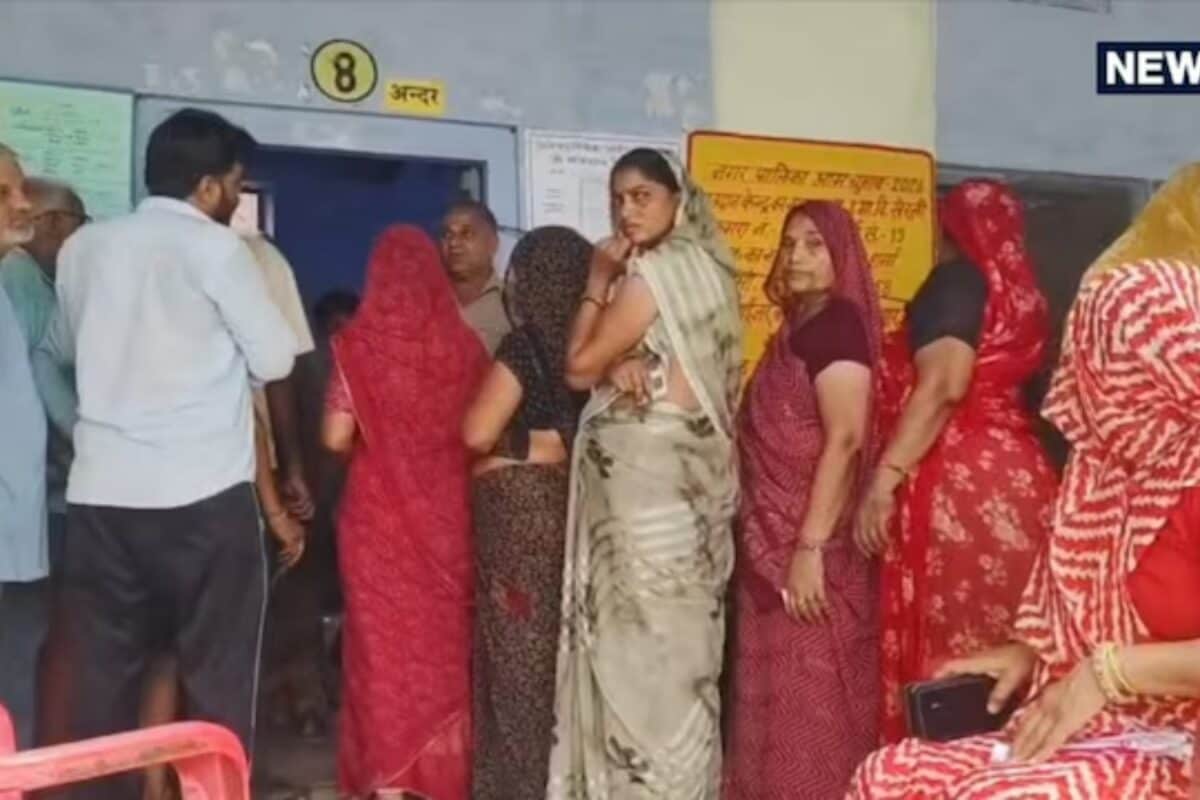
In a significant electoral development impacting municipal governance procedures across Rajasthan, the State Election Commission has formally announced that a fresh round of voting will be conducted at ten specific polling stations. Scheduled definitively for the sixteenth of September, this repolling initiative directly addresses procedural anomalies and technical disruptions that compromised the integrity of voting operations during the initial phase of elections spanning multiple municipal jurisdictions.
The genesis of this administrative intervention lies in exhaustive field investigations and meticulous scrutiny of preliminary reports submitted by respective district election officers and returning authorities. Following complaints and discrepancies noted on polling day, technical experts and election observers reviewed machine logs, physical records, and presiding officer diaries, ultimately confirming that the scale of disruption was significant enough to alter foundational electoral outcomes.
A critical statutory benchmark governing this decision relates to the direct mathematical correlation between malfunctioning electronic voting units and the margins separating competing political contenders. Commission guidelines mandate intervention when the total count of votes affected by mechanical failures exceeds the numerical difference between the leading candidate and their nearest runner-up, ensuring that no citizen is disenfranchised due to equipment failure.
Local communities, political representatives, and independent observers have engaged extensively with election officials to understand the sequence of events that led to these widespread technical failures. While initial anxiety prevailed among voters regarding the sanctity of their ballot submissions, the prompt acknowledgment of errors by election authorities has helped restore public confidence in the administrative apparatus governing local democracy.
Although the primary impact centers directly on the specific urban centers and polling booths designated for this repeat exercise, the administrative ripples extend throughout the broader regional landscape, including surrounding districts and community clusters. Local administrative bodies have initiated comprehensive awareness campaigns to inform registered electors about the revised schedule, polling venue locations, and the mandatory identification procedures required on the day of the repoll.
District administrations have ramped up security protocols, deploying additional paramilitary and local police forces to safeguard polling stations, transit routes for electronic voting equipment, and designated strongroom facilities. Senior bureaucrats and observers appointed by the state commission are maintaining strict oversight to ensure that all voting materials, secure seals, and digital tracking mechanisms comply rigidly with established legal frameworks.
As the administrative machinery prepares meticulously for the upcoming electoral exercise, the overarching focus remains firmly on upholding democratic principles, ensuring complete transparency, and facilitating unhindered voter participation. The successful completion of this repoll at the ten affected booths will mark the definitive conclusion of this complex electoral cycle, allowing finalized results to be tabulated and certified without legal ambiguity.