
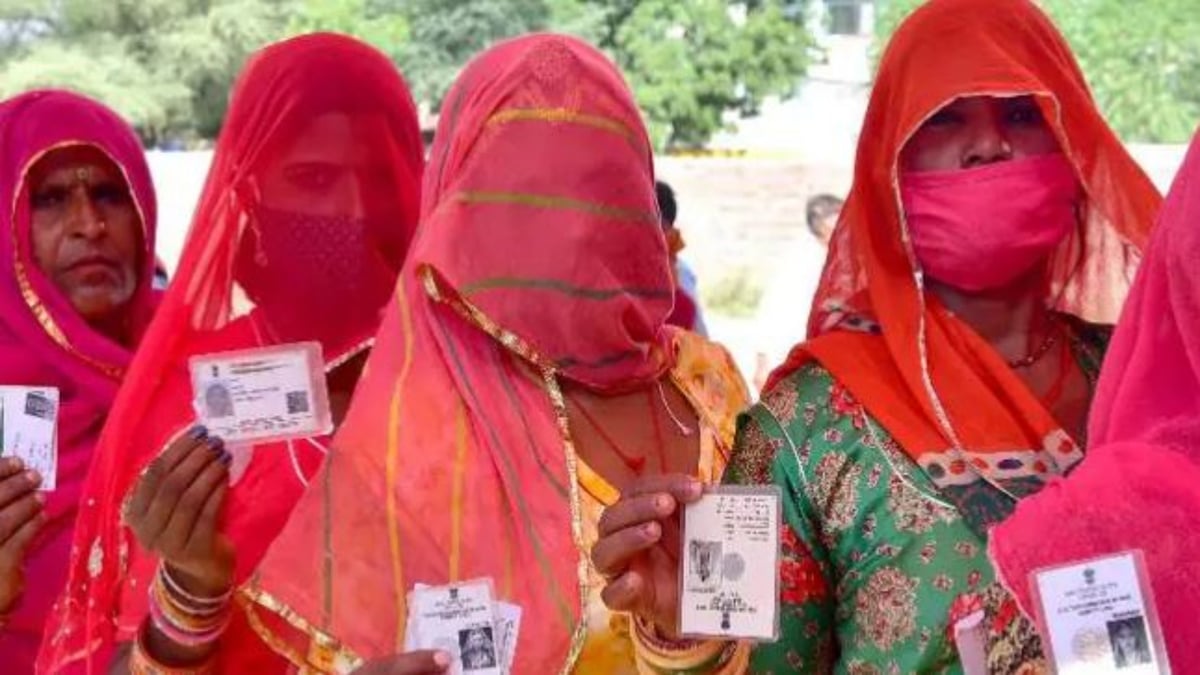
The administration across Rajasthan has officially concluded the extensive and crucial reservation lottery process for 14,403 village panchayats and more than 1.30 lakh ward panch positions. This statewide administrative exercise marks a significant milestone in the preparation for the upcoming grassroots level democratic elections, ensuring structural representation across diverse communities and administrative zones within the state.
Historically, the allocation of reserved seats in rural local bodies has been a cornerstone of inclusive governance, aiming to bring marginalized sections, particularly women and socially disadvantaged groups, into the primary decision-making apparatus of rural administration. The latest lottery allocation strictly adheres to constitutional mandates and population-based proportions laid down by the state election framework.
As per the detailed execution reports from various districts, the total count encompasses 14,403 village panchayats alongside an impressive figure of over 1.30 lakh ward panch seats. A notable highlight of this entire allocation drive is the substantial reservation of seats designated specifically for women, ensuring robust gender participation at the absolute grassroots level of local self-government.
Furthermore, administrative reports confirmed a unique demographic implementation wherein all sarpanch positions across four distinct tribal-dominated districts were exclusively reserved for Scheduled Tribes (ST). This specific provision is designed to safeguard the political autonomy and administrative leadership of indigenous communities residing in those geographically sensitive and culturally rich regions.
The transparency and precision of the lottery process faced rigorous public scrutiny in several districts, leading to localized debates and administrative reviews. Most notably, in Barmer district, the initial lottery proceedings faced official objections from local representatives and citizens, prompting the district administration to cancel the first draw and conduct the entire lottery process completely anew to maintain absolute fairness and public trust.
District collectors, block-level development officers, and election observers oversaw the smooth execution of the draws in respective headquarters, ensuring that all statutory guidelines were meticulously followed without political bias. The completion of these draws alleviates months of speculation among aspiring candidates and local political leaders who have been eagerly awaiting the official categorization of their respective wards and panchayats.
With the reservation formalities now successfully concluded—including the redrawing in Barmer—the stage is fully set for the subsequent phases of the electoral calendar. Rural communities across Rajasthan now look forward to the formal announcement of election dates, campaigning, and the ultimate exercise of their franchise to elect local leaders who will steer rural development for the upcoming term.