The state of Rajasthan is witnessing a massive transformation in its transport and communication networks, with infrastructure development expanding across multiple tiers from local rural roads to high-speed regional transit systems. Authorities have systematically advanced projects that bridge connectivity gaps and streamline vehicular movement throughout the region. This comprehensive push is designed to reshape the economic landscape and facilitate seamless travel for millions of citizens residing within the state.
Historically, remote habitations and fragmented rural corridors suffered from severe connectivity deficits, restricting the smooth movement of agricultural produce, commercial goods, and daily commuters. Recognizing these systemic bottlenecks, administrative planners prioritized the integration of isolated routes into the mainstream state highway and rural road grids. This historical context forms the foundation of the current developmental momentum, addressing decades of infrastructural neglect in various districts.
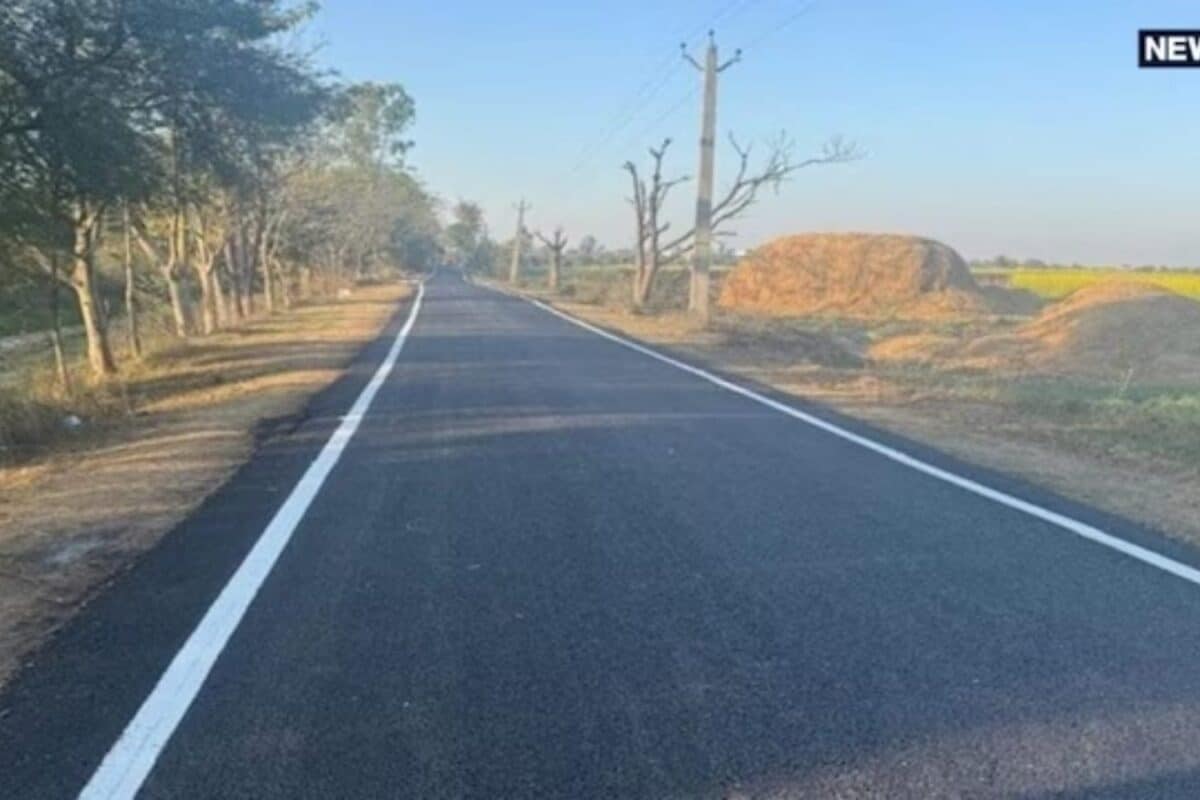
As part of these extensive engineering achievements, the state administration has successfully constructed 10,000 kilometers of missing link roads, significantly easing rural transportation bottlenecks. Furthermore, infrastructural development received an additional financial boost with the sanctioning of 813 crore rupees allocated specifically for 327 Atal Pragati Path projects. Out of these approved works, 282 projects have already been completed successfully on the ground, showcasing efficient project execution and fiscal utilization.
Local traders, commuters, and regional stakeholders have expressed profound optimism regarding these infrastructural milestones, noting a substantial reduction in travel times and vehicular wear-and-tear. Business communities anticipate that improved roads will lower logistical costs and invigorate local markets, while daily travelers appreciate the enhanced safety and comfort during their commutes. Officials emphasize that these developments directly address the long-standing grievances of rural populations who previously faced immense hardships due to broken or nonexistent connecting paths.
The regional impact of these transport initiatives is particularly pronounced in the Kotputli-Behror district and surrounding territories, which serve as vital economic bridges between Rajasthan and the National Capital Region. The enhancement of local rural links alongside massive arterial pathways ensures that smaller townships are seamlessly integrated into larger commercial ecosystems. Consequently, property values, commercial investments, and employment opportunities are projected to witness a steady upward trajectory in these semi-urban and rural pockets.
Complementing the road network expansion, the administration has initiated high-level actions to bring the Delhi-Haryana regional rapid transit system project into Rajasthan. Plans are firmly in motion to extend the proposed RRTS corridor up to Behror and further forward to Kotputli, creating a multi-modal transport network. This strategic integration is expected to drastically shrink travel durations between distant districts and major metropolitan hubs, fostering unprecedented regional integration and economic synergy.
Looking ahead, administrative departments remain committed to expediting the remaining Atal Pragati Path projects and finalizing the technical frameworks for the RRTS extension. Public expectations are notably high as citizens anticipate the realization of world-class transit facilities right at their doorsteps. Bureaucratic oversight and regular monitoring committees will continue to supervise ongoing constructions to ensure timely completion without compromising structural quality or safety standards.