
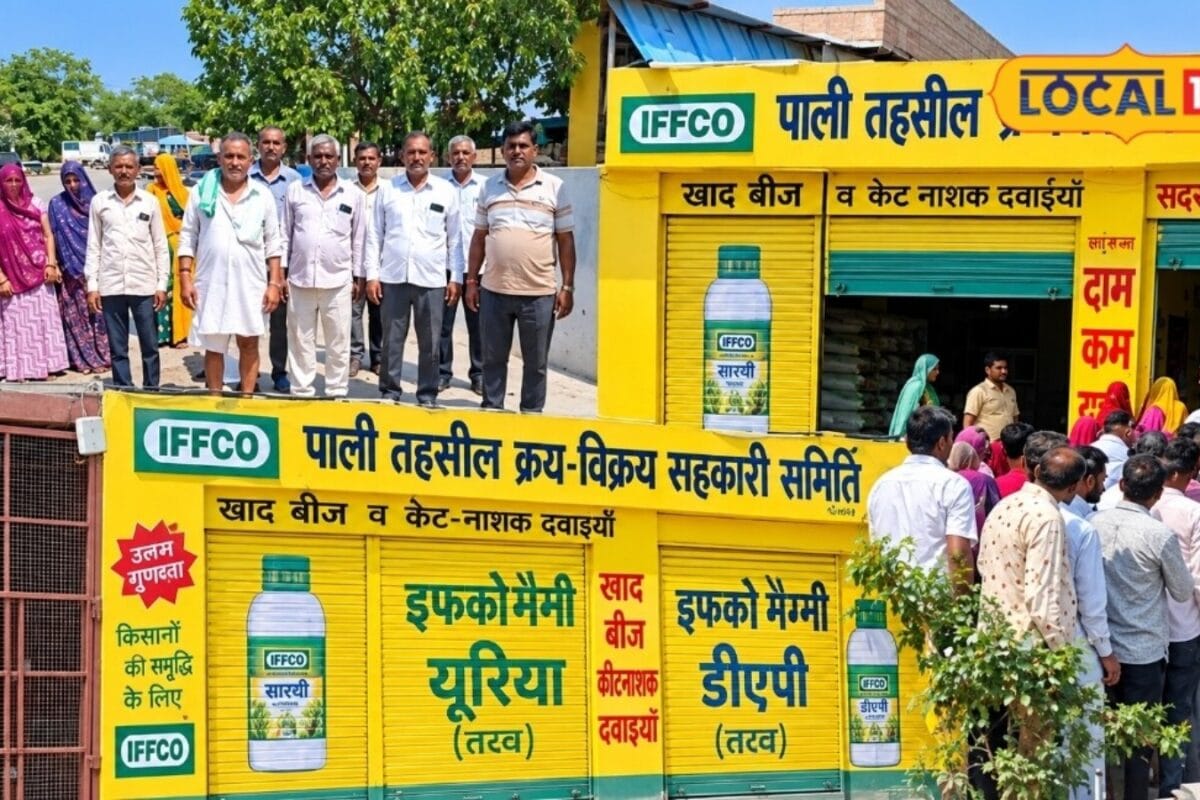
A severe shortage of Diammonium Phosphate (DAP) fertilizer has emerged in Pali, triggering widespread anxiety and distress among the farming community. Annadatas across the region find themselves trapped in an agonizing cycle of uncertainty, forced to make repeated visits to distribution centers over consecutive days only to return empty-handed. This critical shortage unfolds precisely during a sensitive agricultural window when timely fertilizer application is indispensable for upcoming crop yields, putting the livelihood of numerous families at stake.
The current crisis traces its roots to systemic supply chain bottlenecks and a mismatch between surging regional demand and available inventory at local distribution points. Historically, the onset of sowing seasons consistently witnesses escalated consumption patterns, yet logistical delays and inadequate stock allocations frequently create severe deficits. In Pali, this recurring vulnerability has once again exposed the fragile preparedness of local distribution networks to handle sudden surges in agricultural input requirements, leaving ordinary cultivators bearing the brunt of systemic failures.
Ground-level reports emanating directly from distribution facilities paint a grim picture of frustration and exhaustion. Farmers who travel long distances from surrounding rural hinterlands to procure essential DAP bags are met with closed counters, exhausted stocks, and vague assurances. Many individuals have reported spending two to three agonizing days camped outside distribution depots, neglecting their domestic and farm management duties in a desperate bid to secure even a fraction of their required fertilizer quotas.
Conversations with affected cultivators reveal profound disappointment with the prevailing administrative preparedness. Voices from the ground emphasize that agriculture remains an unforgiving enterprise highly dependent on precise climatic and temporal conditions; any disruption in fertilizer availability directly translates into compromised crop establishment and diminished harvest volumes. Stakeholders point out that despite repeated warnings of seasonal shortages, preemptive measures to stockpile adequate reserves or streamline distribution mechanisms appear lamentably insufficient.
The ramifications of this shortage extend far beyond individual farming households, threatening the broader rural economy of Pali and neighboring administrative jurisdictions. Agricultural productivity serves as the foundational pillar of the regional economy, influencing everything from local commerce and agricultural labor employment to rural indebtedness and household purchasing power. When farmers are compelled to divert productive hours toward chasing scarce agricultural inputs rather than managing their fields, the aggregate economic productivity of the entire district suffers a measurable setback.
In response to mounting public pressure and visible distress at distribution hubs, local agricultural authorities face intense scrutiny regarding their monitoring and oversight capabilities. While periodic assurances are issued regarding impending replenishment consignments, the operational reality on the ground reflects a stark disconnect between bureaucratic pronouncements and actual inventory levels. Observers and community leaders have consistently demanded transparent stock tracking, equitable rationing systems, and strict punitive action against any speculative hoarding or unauthorized diversion of subsidized fertilizers.
Looking ahead, the immediate resolution of the Pali DAP shortage hinges upon the expedited dispatch and unhindered distribution of fresh fertilizer rakes to the district. Agricultural experts emphasize that proactive communication from district authorities regarding exact stock arrival schedules could prevent chaotic overcrowding at distribution centers. As the farming community continues its anxious wait for replenishment, the unfolding situation serves as a stark reminder of the urgent need for robust, resilient supply chains dedicated to safeguarding the interests of the nation's primary producers.