
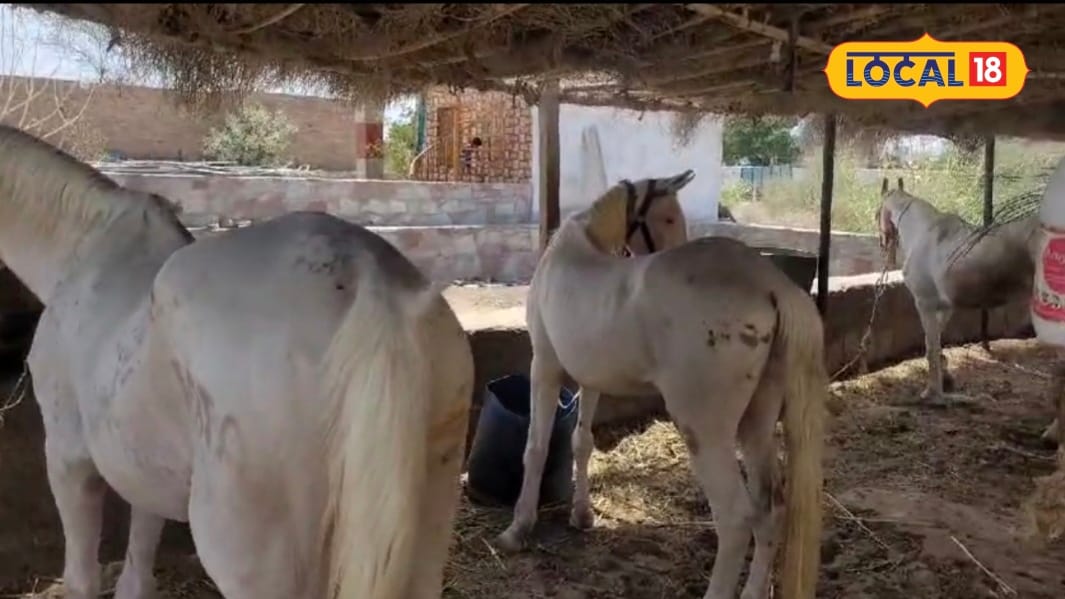
Maintaining optimal health and physical robustness in equines demands a meticulous approach to daily nutrition that extends far beyond merely providing an abundance of standard fodder. Animal husbandry experts and experienced trainers consistently emphasize that a horse's diet must be carefully customized according to its individual age, current body weight, and specific physical workload. Failing to calibrate the nutritional intake properly can lead to various health complications, undermining the animal's natural strength and overall vitality over time.
Historically, equine management has evolved from a purely utilitarian practice into a specialized science where dietary precision plays a central role in animal welfare. In traditional and contemporary veterinary care alike, recognizing the distinct metabolic needs of horses at different life stages has proven vital. Whether dealing with a developing foal or a mature working animal, the historical understanding of equine physiology dictates that uniform feeding schedules are rarely effective, necessitating a tailored methodology for every individual animal.
Examining the ground realities of daily stable management reveals that logistical and financial investments in quality feed directly correlate with the longevity and productivity of the animals. Practical observations indicate that a proper ration must incorporate a balanced blend of dry and green fodder, supplemented by clean, accessible drinking water. Furthermore, specific nutritional components such as barley and gram are frequently integrated into the daily regimen to supply essential proteins and carbohydrates required for sustained energy and structural soundness.
Stakeholders across the equine community, including seasoned breeders, veterinarians, and stable managers, consistently advocate for an informed approach to animal nutrition. Discussions among these experts highlight that many nutritional deficiencies stem from a lack of awareness regarding proper portion control and feed quality. Through direct consultations, local horse owners frequently share insights on how adjusting grain ratios and fiber intake has visibly improved the physical conditioning and stamina of their animals.
Within the Kotputli-Behror region, the economic and cultural significance of maintaining healthy livestock remains deeply embedded in the local agricultural framework. Farmers and traditional animal owners who rely on working equines understand that a well-nourished animal is indispensable for daily agricultural and transportation tasks. Consequently, disseminating accurate dietary knowledge directly supports the local agrarian economy by preventing costly veterinary treatments associated with malnutrition and improper feeding practices.
In response to recurring nutritional challenges faced by local livestock owners, regional agricultural extension services and veterinary departments periodically issue advisory guidelines. These administrative and educational measures are designed to steer community practices toward scientifically validated feeding standards. By promoting awareness about balanced rations—incorporating appropriate quantities of grains like barley and gram alongside quality forage—authorities aim to elevate the standard of animal care throughout the district.
Looking forward, ongoing educational initiatives and community outreach programs are expected to further empower livestock owners with the knowledge required for optimal equine care. As local awareness increases regarding the nuances of age-specific and workload-based feeding, the overall health standards of the equine population in the region are projected to rise steadily. Stakeholders remain optimistic that continued guidance on avoiding common dietary pitfalls will secure a healthier and more productive future for all working and companion horses in the area.