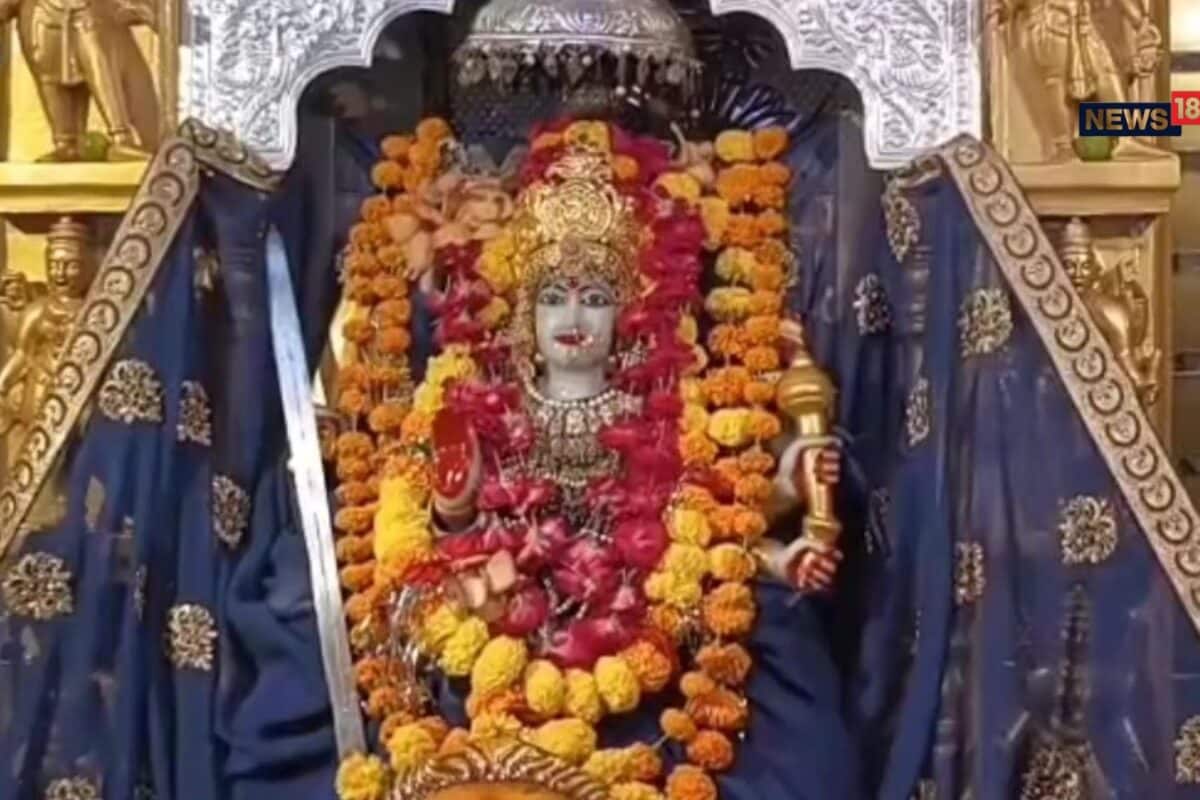
With the auspicious commencement of Navratri 2026, an immense wave of spiritual fervor and religious devotion has engulfed the Pratapgarh district. Pilgrims and devotees from various regions are traveling extensively to participate in the sacred festivities. The district is renowned for housing nine ancient and deeply revered Shakti Peethas, each possessing distinct religious traditions, historical significance, and deeply rooted cultural practices that attract thousands of worshippers daily.
The historical background of these nine sacred shrines dates back centuries, serving as spiritual anchors for the local communities across Rajasthan and neighboring Madhya Pradesh. These holy sites—including the prominent Raj Rajeshwari Mata, Devakmata, Bhanwarmata, Bijmata, and Kameshwari Mata temples—have traditionally been centers of profound spiritual heritage. Generations of devotees have maintained these ancient customs, passing down the rich oral traditions and ritualistic practices that define the unique identity of each temple.
Ground reports indicate that the influx of worshippers during Navratri 2026 has reached unprecedented levels, with statistical estimates highlighting the massive mobilization of crowds across all nine designated shrines. Management committees and local volunteers are working tirelessly to accommodate the heavy footfall. Facilities surrounding the temple complexes are operating at full capacity to handle the continuous stream of devotees arriving from both Rajasthan and Madhya Pradesh for daily darshan and special rituals.
Speaking on the ongoing festivities, local community leaders, temple priests, and senior administrators emphasized the deep cultural importance of these traditions. The unique practices—such as the three-time daily aarti performed at the Raj Rajeshwari Mata temple and the remarkable ritual at Devakmata where devotees offer iron shackles upon the fulfillment of their heartfelt prayers—continue to draw intense curiosity and profound reverence from visitors far and wide.
The broader regional impact of this festive surge extends significantly into the local economy, benefiting local merchants, transport providers, and community commerce. Small businesses around the temple perimeters experience a substantial seasonal boost as thousands of pilgrims purchase ritual offerings, flowers, and traditional items. This economic activity reinforces the interconnected commercial ties between rural and urban centers across the district during the sacred nine-day period.
To ensure public order, safety, and smooth logistical management, local administrative authorities have deployed adequate security personnel across all major temple locations. Special crowd-control barricades, medical aid posts, and traffic diversion plans have been successfully implemented. Officials are maintaining round-the-clock coordination with temple trusts to prevent congestion and ensure that elderly and differently-abled pilgrims can complete their worship without facing undue hardship.
Looking ahead, the grand celebrations and special religious rituals are scheduled to continue uninterrupted throughout the duration of Navratri 2026, culminating in grand concluding ceremonies on the final day. Temple authorities and administrative bodies expect the daily pilgrimage numbers to remain exceptionally high through the weekend. Public expectations remain positive, with organizers committed to maintaining exemplary arrangements until the successful culmination of the festival.