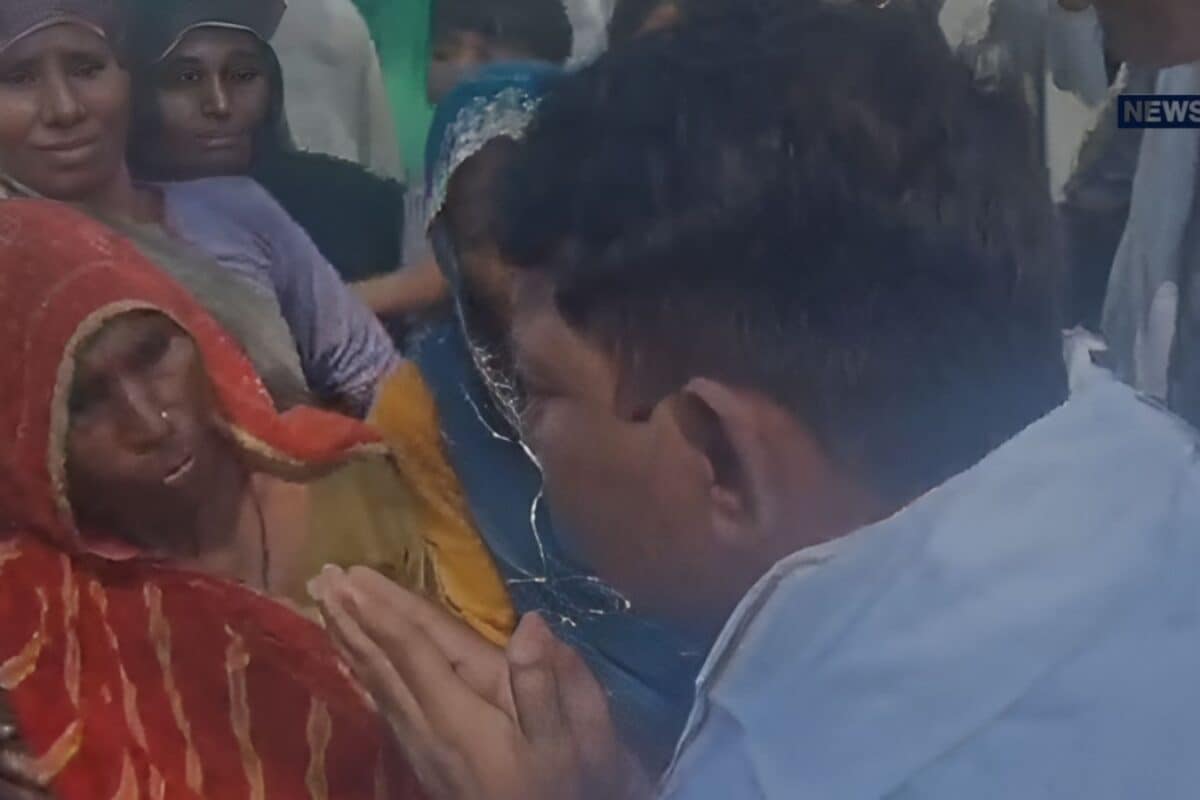
The ongoing agitation led by prominent leader Naresh Meena regarding the severe agricultural fertilizer crisis faced by farmers has entered its fifth crucial day. Marching from Baran toward Jaipur, the protest has drawn significant public attention and emotional resonance across the region. Farmers and common citizens are closely monitoring the developments as the movement gathers momentum along the designated route toward the state capital.
The current crisis stems from persistent grievances regarding the availability and distribution of essential fertilizers required by farmers for their crops. The agitation originated in Baran as a direct response to logistical hurdles and shortages that severely impacted agricultural productivity and rural livelihoods. Over successive days, the movement evolved from localized protests into a coordinated march toward Jaipur, highlighting systemic issues within the agrarian supply chain.
As the march progressed through various districts, reaching Tonk, the situation witnessed a deeply emotional turning point. Concerned citizens and women gathered around the prominent leader, making impassioned pleas for his health and safety. In a poignant moment reflecting the deep public connection to the cause, women appealed directly to him, stating that even if fertilizer supplies are not received immediately, he must consume his meals, declaring that they too would fast otherwise.
The mobilization has transcended ordinary agrarian protests by drawing notable political alliances and endorsements from key opposition and third-front figures. Prominent regional leaders, including Hanuman Beniwal and Rajendra Gudha, have extended their comprehensive support to the movement, amplifying the political stakes of the ongoing hunger strike and aligning various regional factions behind the shared objective.
The broader geographical impact of this agitation resonates deeply across neighboring administrative regions, including communities akin to Kotputli-Behror, where agricultural supply challenges directly influence local economic stability. Rural households and commercial traders alike observe these developments with apprehension, noting that fertilizer shortages inevitably translate into depressed crop yields and financial strain for farming families throughout the wider territory.
In response to the escalating protests, administrative authorities face mounting pressure to address the underlying logistical failures in fertilizer distribution. Government officials and statutory bodies are expected to review current stock allocations and transport mechanisms to prevent further unrest. Public oversight remains stringent as civil society groups demand transparent measures to ensure timely delivery of essential farming inputs to all affected districts.
Looking ahead, the immediate trajectory of the protest points toward Jaipur, where Naresh Meena intends to continue his movement at the designated Shaheed Smarak. The coming days will prove critical as third-front leaders coordinate their next steps and negotiate with administrative representatives. Public expectations remain focused on a prompt, equitable resolution that safeguards both farmer interests and public welfare.