
In a significant developmental initiative aimed at improving passenger mobility and religious tourism infrastructure, the railway administration is preparing a comprehensive plan to establish a triangular rail connectivity network for Khatudham. This major announcement comes as a great relief for millions of devotees who travel from various parts of the country to offer their prayers to Baba Shyam. The overarching objective of this strategic transit framework is to decentralize passenger traffic and streamline transit operations during high-traffic religious events.
Historically, the overwhelming majority of pilgrims arriving by train have had to rely exclusively on the Ringas railway station. During peak religious congregations such as the Falgun Lakkhi Mela and auspicious Ekadashi festivals, the sheer volume of incoming devotees creates unprecedented logistical bottlenecks and immense pressure on existing local infrastructure. Recognizing these recurring operational challenges, railway authorities have conceptualized a multi-station dispersal strategy to distribute the pilgrim footfall more evenly across the regional rail corridor.
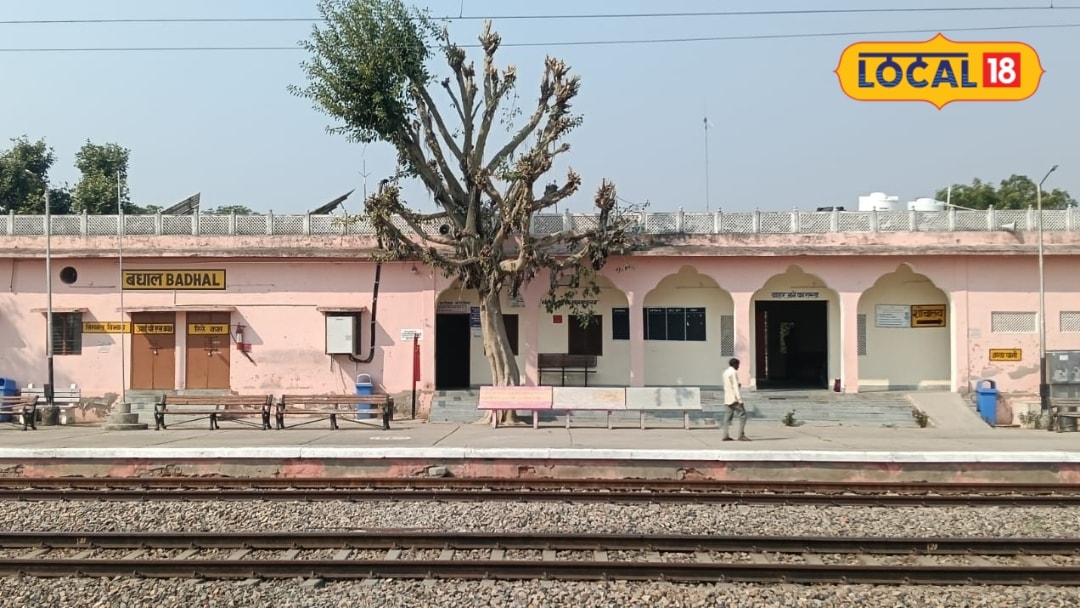
Under the proposed infrastructure enhancement blueprint, the transit architecture will integrate three key locations to form a functional rail connectivity triangle. Alongside the existing Ringas station and the currently under-construction Sundarpura station, Badhal station is now being actively considered for comprehensive development as a third major rail alternative for Khatudham. This multi-pronged logistical approach is designed to handle thousands of incoming passengers simultaneously, thereby optimizing train movement and passenger safety.
Local community representatives, trade associations, and regular commuters have warmly welcomed this progressive administrative deliberation. Stakeholders point out that expanding rail infrastructure beyond a single bottleneck will not only enhance passenger convenience but also boost the local economy by facilitating smoother movement of visitors. The integration of Badhal station into the primary pilgrimage route is expected to alleviate long-standing transportation hurdles faced by elderly and differently-abled devotees visiting the revered shrine.
The broader regional implications of this railway development extend across neighboring districts and communities. Improved transit connectivity is projected to reduce highway congestion, minimize vehicular traffic bottlenecks, and promote organized public transportation. As the economic and cultural significance of Khatudham continues to grow, infrastructural modernization of regional rail hubs remains an absolute necessity for sustainable development and efficient crowd management.
Administrative measures and technical assessments are currently underway to evaluate the feasibility and engineering requirements for upgrading Badhal station and expediting the completion of Sundarpura station. Railway officials are reviewing structural layouts, platform capacities, and passenger amenity requirements to ensure seamless integration with the existing rail network. These proactive steps reflect the administration's commitment to prioritizing passenger welfare and upgrading rural railway infrastructure.
Looking forward, the successful implementation of this triangular rail network is anticipated to transform the pilgrimage experience for millions of devotees visiting Khatudham. As preliminary planning progresses toward execution, public expectations remain high regarding timely completion and operational efficiency. The concerted focus on multi-station connectivity marks a visionary milestone in regional railway management and devotional tourism facilitation.
