
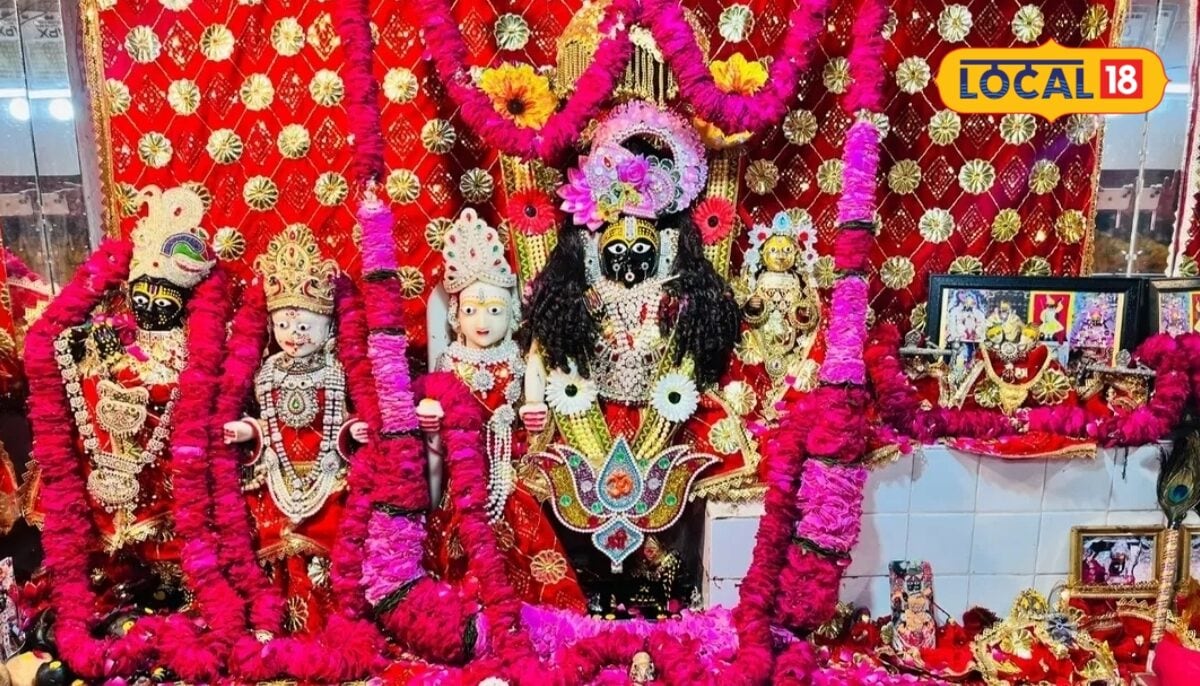
In the heart of Nagaur district, within the quiet locality of Bhagatawadi, stands a sacred sanctuary that challenges conventional ritualistic norms through an extraordinary spiritual practice. The ancient Gopinath Temple, boasting a rich heritage spanning over one thousand years, has long been a focal point of deep religious devotion and architectural curiosity. Unlike standard scriptural protocols that mandate the immediate immersion and replacement of a temple deity upon sustaining physical damage, this historic shrine proudly continues the uninterrupted worship of a structurally flawed idol, setting a monumental precedent in regional religious traditions.
Delving into the historical roots of the Gopinath Temple reveals centuries of regional heritage deeply embedded in the socio-religious fabric of Nagaur. Over generations, the temple has witnessed numerous historical transitions, surviving the test of time while remaining an active center of local faith. The sacred sanctum houses structural elements and sculptural artistry reflective of ancient craftsmanship, drawing historians, pilgrims, and spiritual seekers alike who wish to witness a living monument where architectural antiquity seamlessly merges with profound local folklore.
The genesis of the current worship practice traces back to a compelling historical narrative involving a local merchant and a miraculous nocturnal vision. According to traditional accounts passed down through generations, when the sacred idol of the Gopinath Temple suffered a minor fracture on its thumb, community elders and temple custodians initiated preparations to commission and consecrate a brand new replacement image. Standard rituals of the era dictated that a damaged deity must be retired with full sacred honors, prompting immediate logistical and ritualistic planning for a replacement installation.
However, the trajectory of these customary preparations shifted dramatically following a profound divine intervention experienced by a prominent local merchant associated with the Gopinath Temple. As the merchant slept, Lord Gopinath reportedly appeared to him in a vivid dream, directly addressing the plans for replacement with a reassuring and playful declaration: 'I went to play and suffered a minor injury.' This celestial communication fundamentally altered the collective consciousness and religious stance of the community, imparting a powerful theological lesson regarding the living presence of the divine beyond physical manifestations.
Emboldened by this divine directive, the temple authorities and the wider populace of Nagaur abandoned plans for the immersion of the sacred image. Instead, they chose to honor the supernatural message, solidifying a unique tradition where the damaged idol of the Gopinath Temple continues to receive daily ritual offerings, hymns, and aarti. This decision resonated deeply across the region, transforming the shrine into a powerful symbol of divine grace, personal faith, and the triumph of spiritual intimacy over rigid dogmatic constraints.
In broader comparative theological contexts, scholars and spiritual leaders frequently draw parallels between the Gopinath Temple and renowned sanctums such as the Dakshineswar Temple. Much like the profound philosophical underpinnings associated with historical shrines of Bengal, the events at Bhagatawadi reinforce the timeless premise that genuine devotion, internal purity, and emotional surrender outweigh physical perfection. Pilgrims visiting the Gopinath Temple are continually reminded that the sacred bond between the devotee and the divine transcends material aesthetics, anchoring local culture in deep-seated spiritual tolerance.
As the Gopinath Temple looks toward the future, the administration and local community remain dedicated to preserving both the physical structure and the intangible heritage of the millennium-old institution. Efforts are underway by local cultural preservationists to document the oral histories surrounding the deity's divine message to ensure that future generations understand the profound ethos of the shrine. By maintaining this extraordinary tradition, the Gopinath Temple in Nagaur continues to inspire countless visitors, cementing its status as an enduring beacon of faith, history, and spiritual enlightenment.