
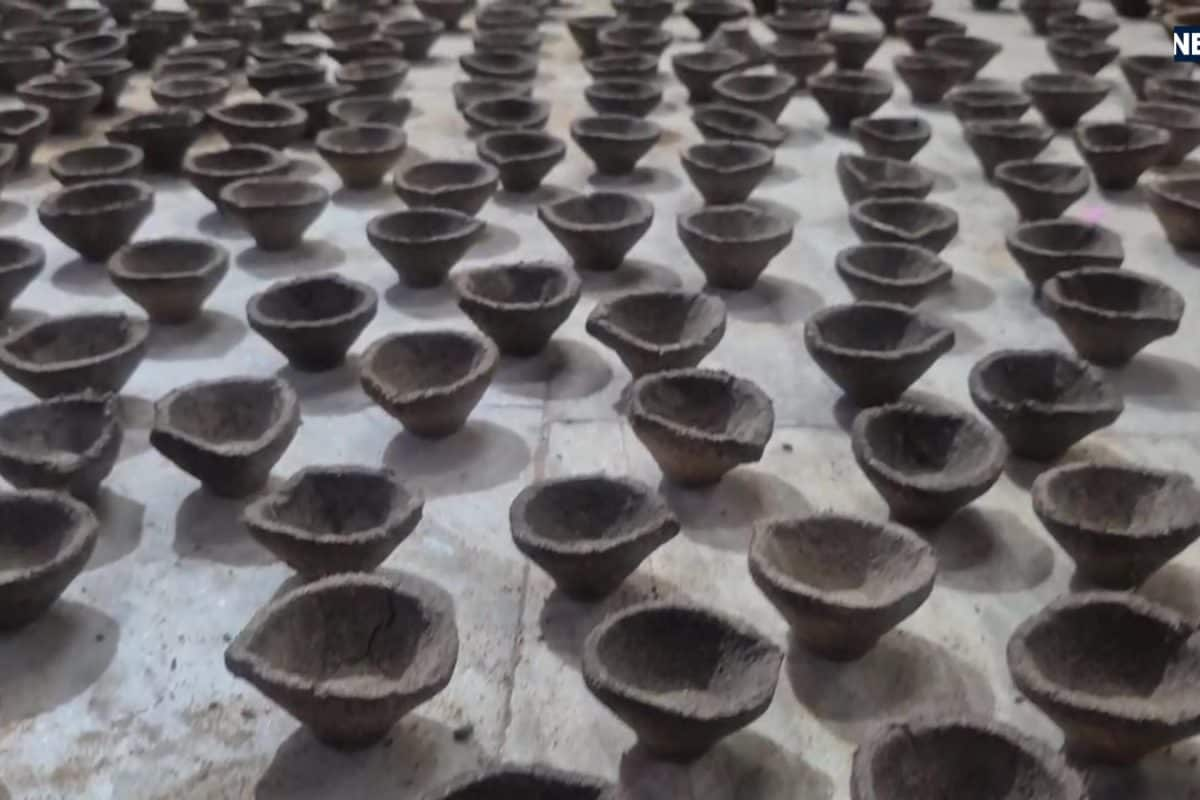
In a remarkable fusion of traditional festivity, environmental conservation, and cow service, the upcoming Diwali celebrations in Govindgarh town of Alwar district are set to witness a historic illumination. Spearheaded by a noble initiative originating from the revered Seval Temple, the region is preparing to light more than 51,000 cow-dung lamps simultaneously. This grand spectacle aims not only to enhance the spiritual grandeur of the festival of lights but also to champion sustainable ecological practices that resonate deeply with modern environmental imperatives.
The conceptual foundation of this unique celebration draws from the traditional ethos of rural sustainability, where bovine resources are intrinsically linked to agricultural and ecological well-being. Over the years, the Seval Temple has emerged as a prominent spiritual and cultural anchor in the Alwar region, continuously promoting initiatives that safeguard indigenous traditions while addressing contemporary ecological challenges. This year, the temple administration decided to pivot away from conventional paraffin and wax-based illumination toward organic, biodegradable alternatives.
The logistical scale of this grand undertaking is immense, reflecting meticulous planning and community participation. Ground reports indicate that artisans and volunteers within the temple premises are painstakingly crafting more than 1.5 lakh eco-friendly lamps using pure cow dung. Out of this massive stock, exactly 51,000 lamps have been designated for the grand mass-lighting ceremony on Diwali night. Furthermore, to encourage widespread public adoption of sustainable products, every single family visiting the temple during the festive period will be presented with 21 lamps absolutely free of cost.
Stakeholders, local devotees, and environmental advocates have expressed overwhelming support for this visionary campaign. Community leaders emphasize that the initiative serves a dual purpose: honoring the sacred tradition of cow service and drastically reducing the plastic and chemical waste typically generated by conventional earthen and wax lamps during the festive season. Moreover, the messaging extends far beyond the immediate temple precincts, aiming to reach 108 temples across the wider regional network to amplify the core philosophy of ecological preservation.
The regional impact of this initiative within the Alwar and broader Kotputli-Behror administrative sphere is profound, establishing a benchmark for eco-conscious celebrations. Local markets and rural artisans involved in producing these organic artifacts have experienced a renewed sense of economic encouragement. By fostering a direct link between traditional religious practices and sustainable rural livelihoods, the Seval Temple initiative demonstrates how grassroots spiritual institutions can actively contribute to regional environmental stewardship.
Administrative observers and local governing bodies have welcomed the proactive stance taken by the Seval Temple management. While statutory oversight during major festivals usually focuses on crowd management and fire safety, initiatives that inherently promote zero-waste and biodegradable alternatives significantly lessen the post-festive municipal burden. The local administration continues to facilitate smooth logistical arrangements to ensure that thousands of visiting devotees can participate in the celebrations safely and seamlessly.
Looking ahead, the organizers anticipate that this grand event will establish a lasting precedent for future festivities across Rajasthan. Beyond the immediate visual splendor of 51,000 glowing lamps, the true legacy of this Diwali will lie in the post-festival utility of the lamps themselves, which can be seamlessly transformed into high-quality organic manure for agricultural use. As the sacred grounds of the Seval Temple prepare for the grand night, the community stands united in delivering a powerful message of sustainability, faith, and environmental harmony.
